Home
Home






Lai Chi Wo
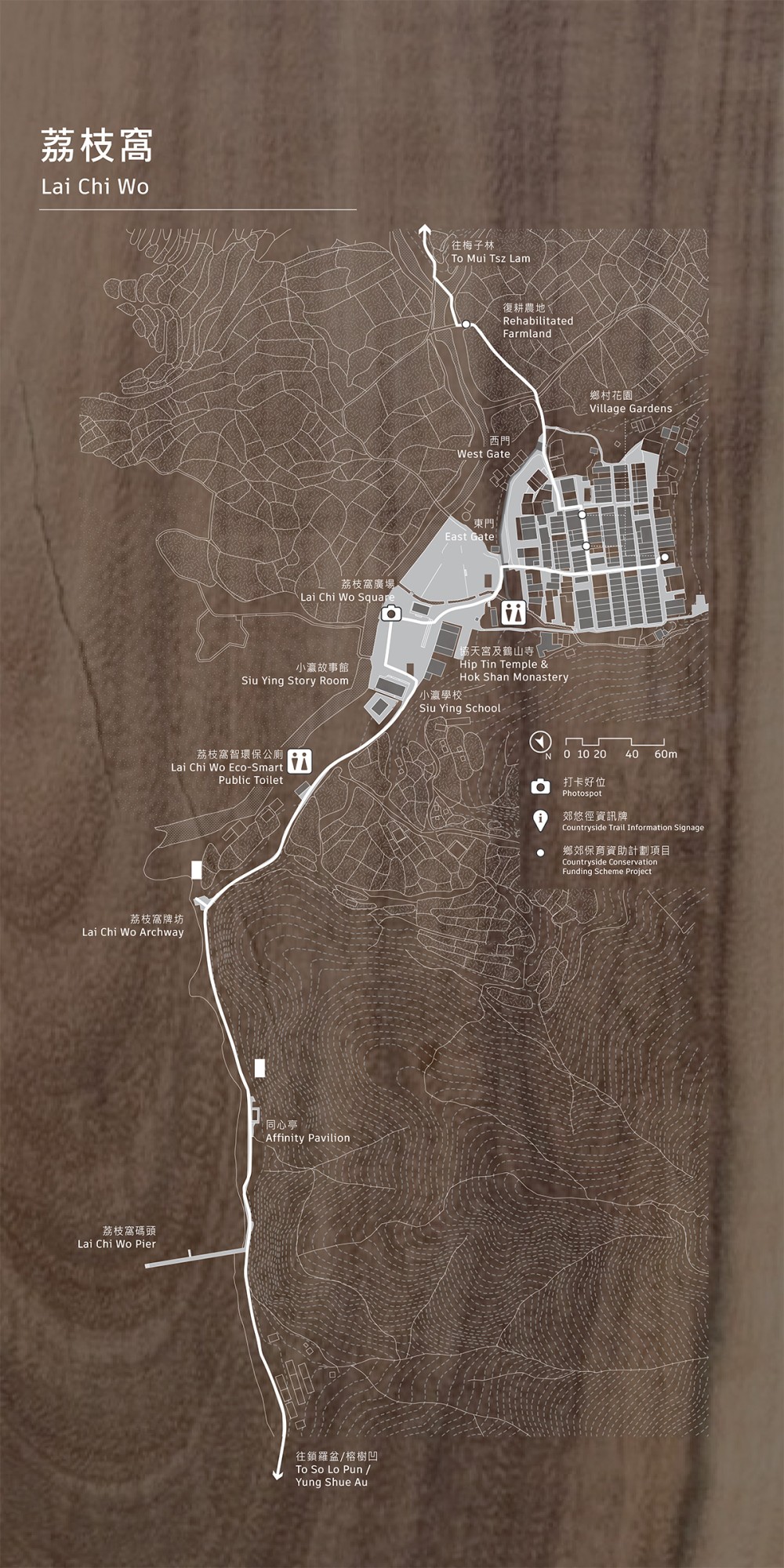
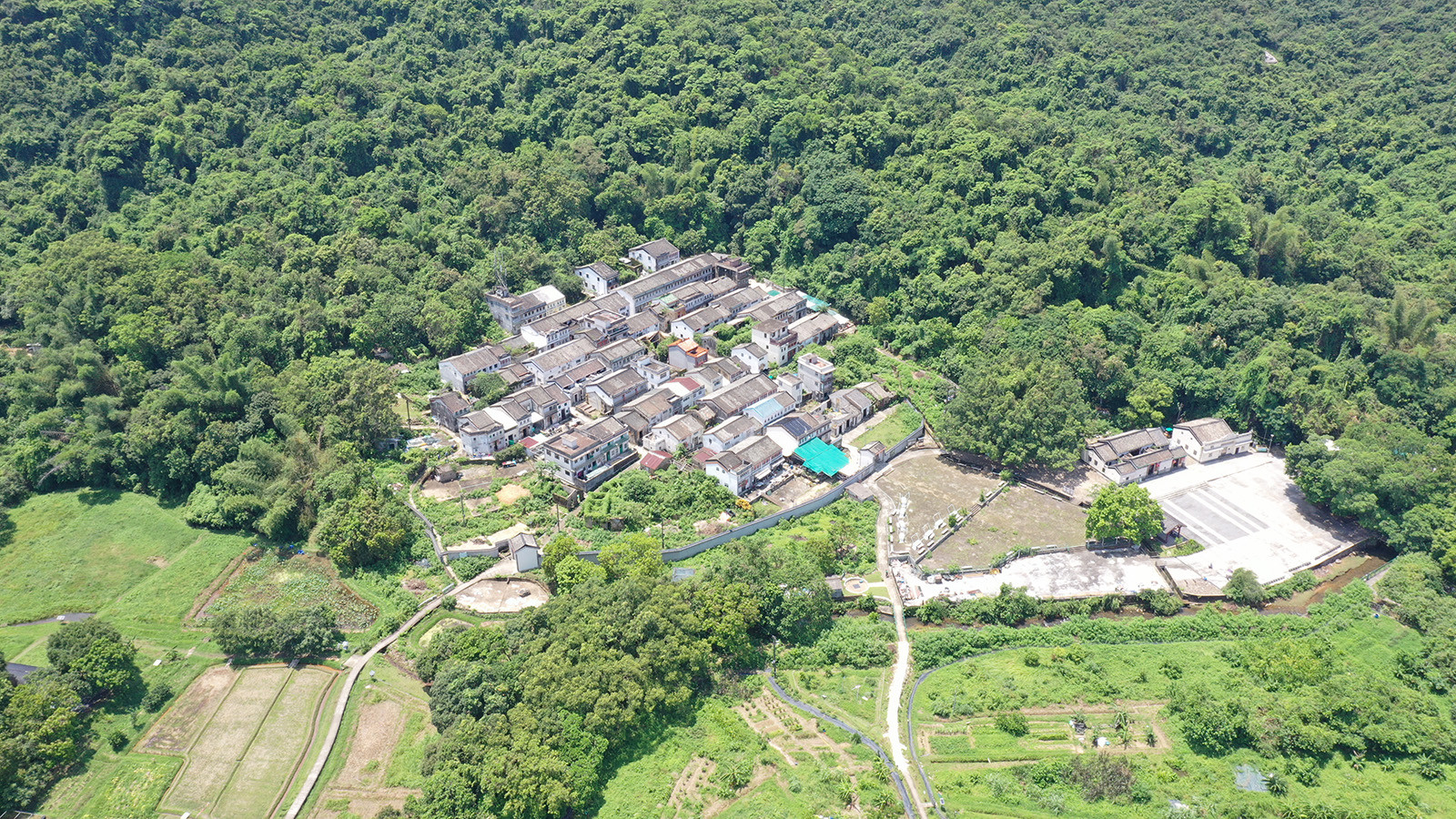
With almost 400 years of history, Lai Chi Wo is one of the largest, oldest, and best-preserved Hakka villages in the northeast New Territories. In its heyday in the 1950s, it was home to nearly 1,000 residents across more than 200 village houses, with terraced fields covering the hillsides to support a thriving, self-sufficient farming life.
Today, the surrounding natural environment remains remarkably intact, making Lai Chi Wo a rare remote village that holds both cultural and ecological value. It also lies within the Hong Kong UNESCO Global Geopark, which is home to diverse habitats, from fung shui woodlands and freshwater streams to mangroves, mudflats, and marshes teeming with biodiversity.
In recent years, with support from the Countryside Conservation Funding Scheme (CCFS) and community partners, Lai Chi Wo has seen a new chapter of life. Villagers and non-profit-making organisations have rehabilitated farming through reviving the long-abandoned terraced fields and launching cultural and eco-programmes. Guided walks, hands-on workshops, and cultural activities now give visitors the chance to engage with Hakka traditions, appreciate natural heritage, and witness the revitalisation of this once-silent village.