




Skip to content

8 Mui Tsz Lam

Signage Content

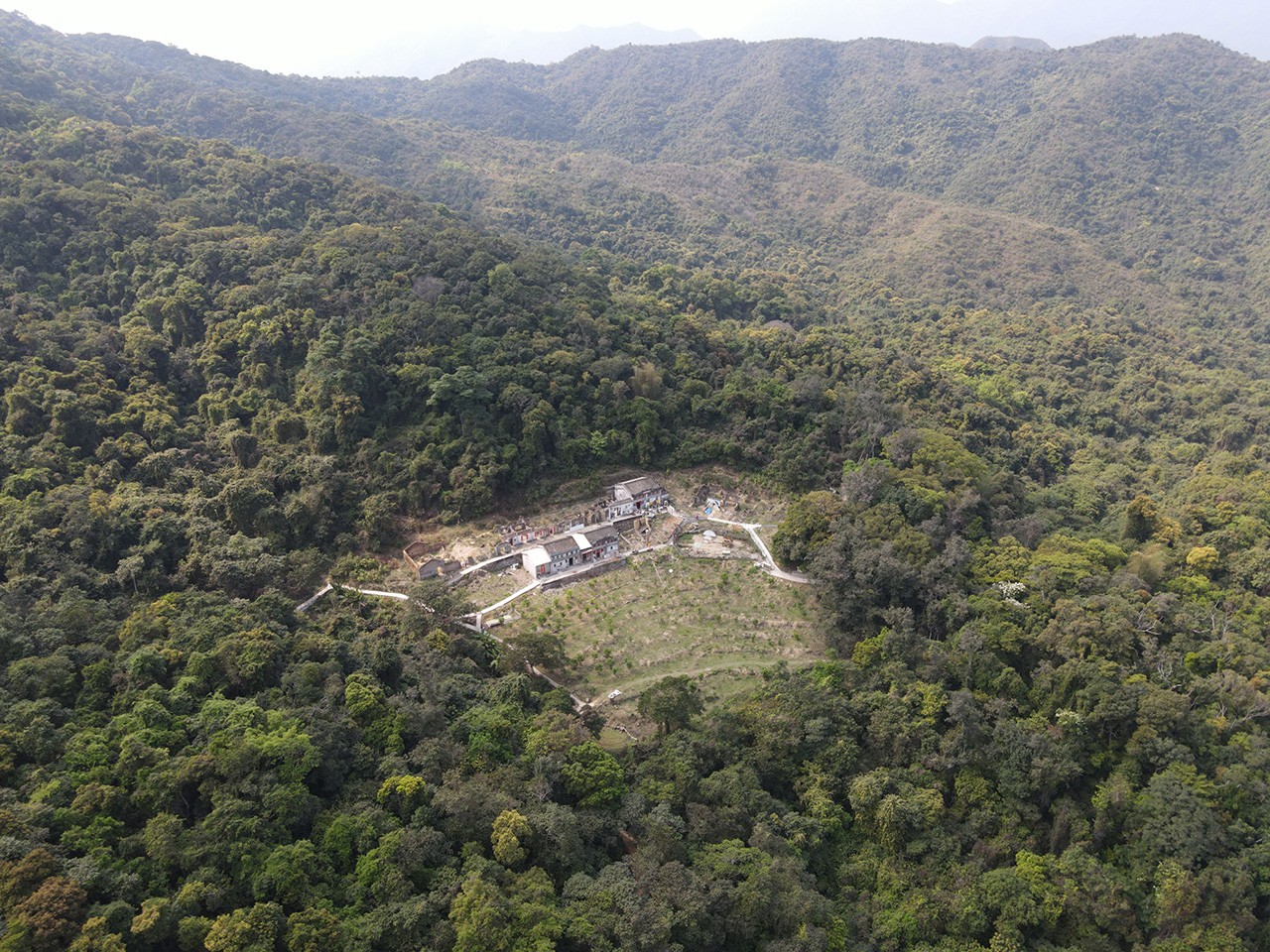
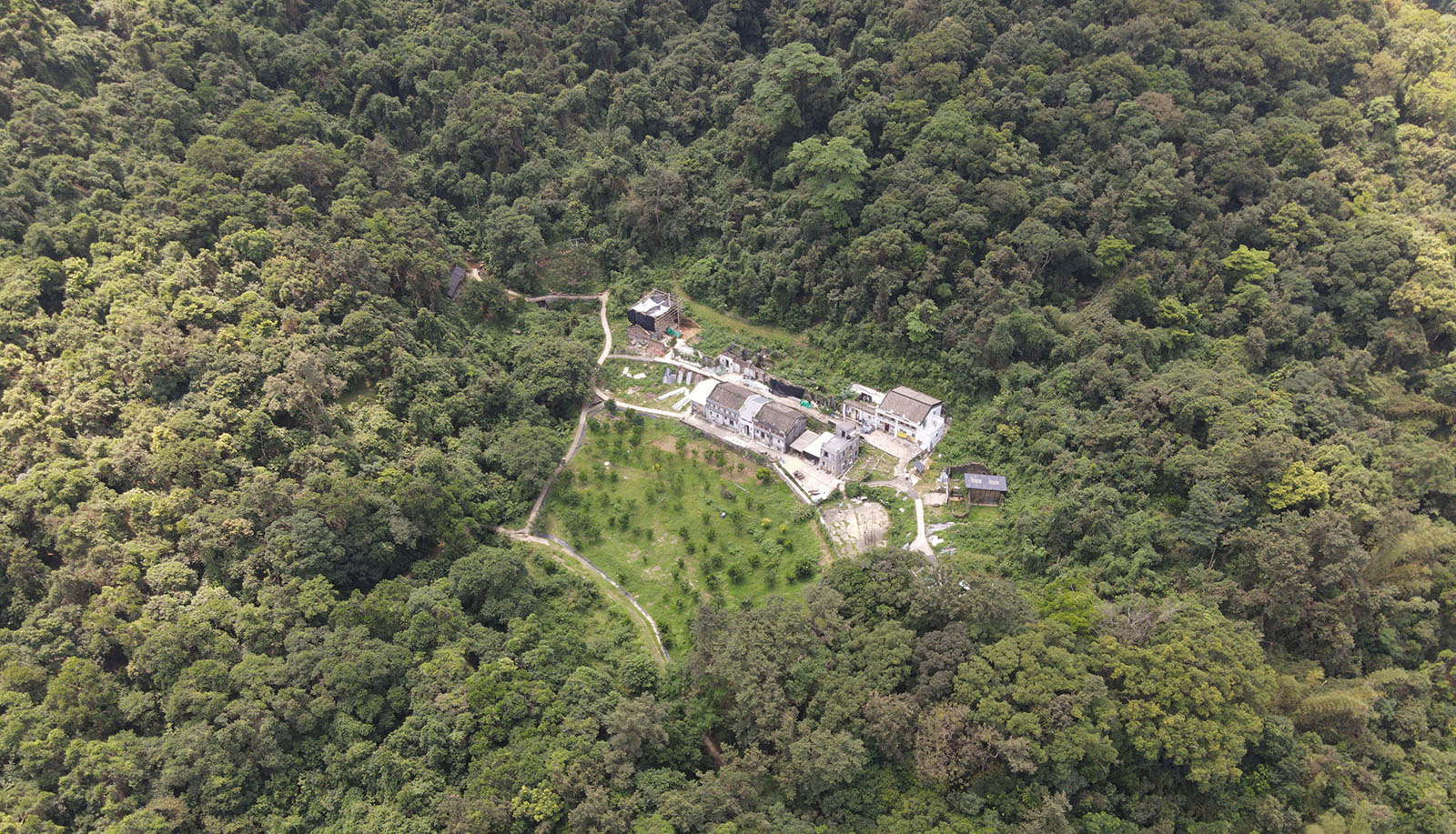
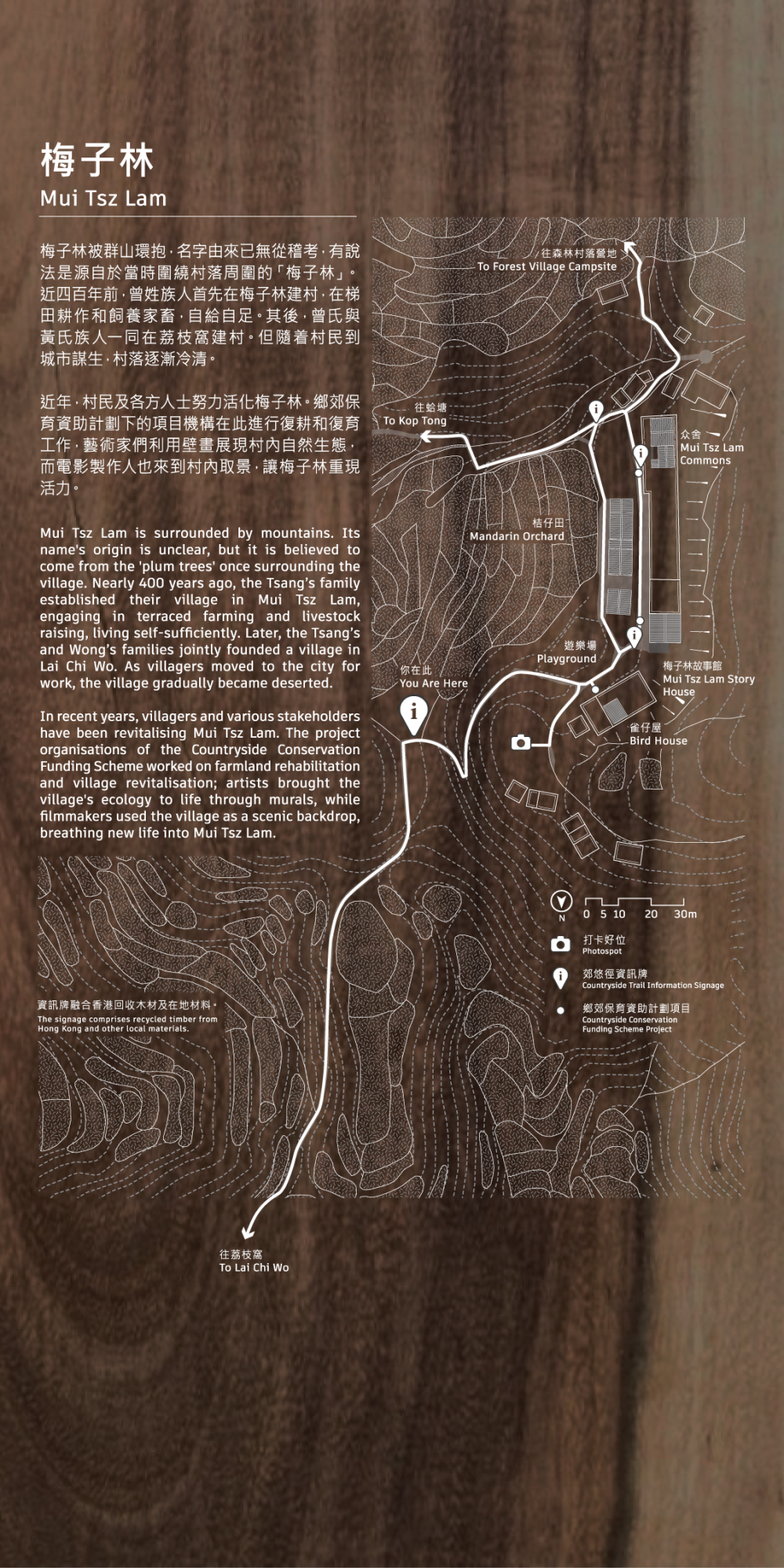
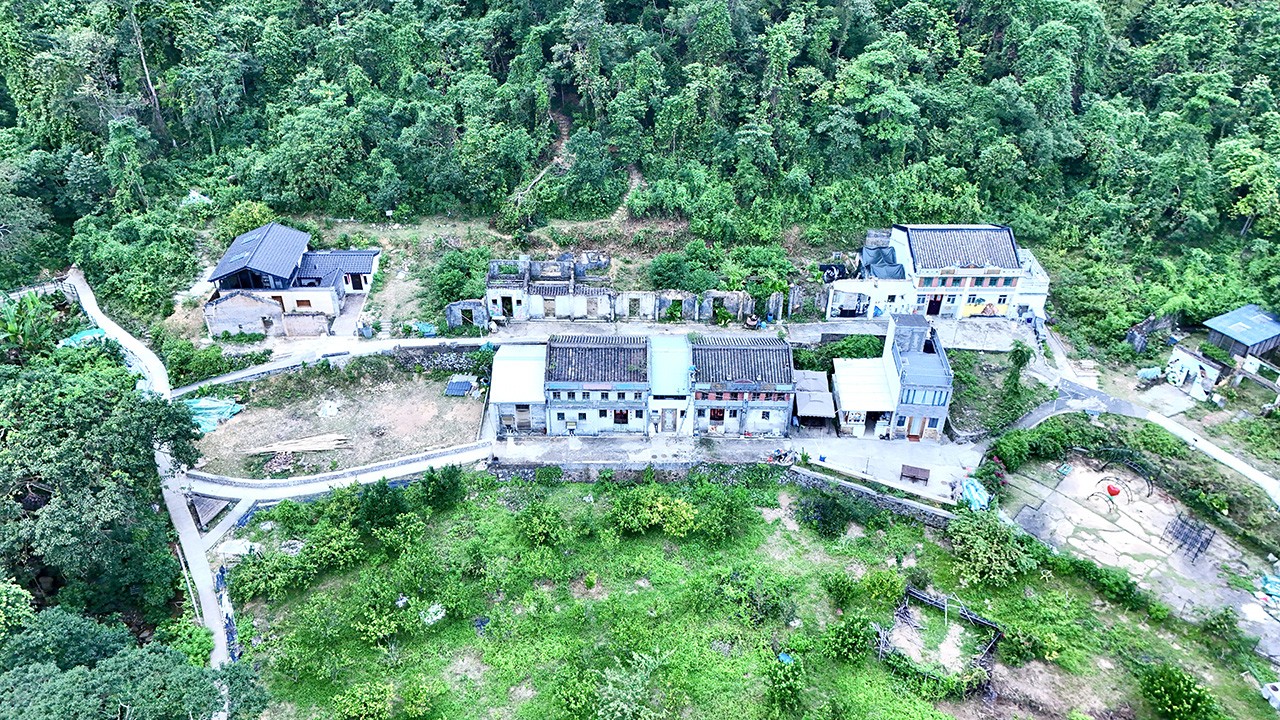
Mui Tsz Lam is surrounded by mountains. Its name's origin is unclear, but it is believed to come from the 'plum trees' once surrounding the village. Nearly 400 years ago, the Tsang's family established their village in Mui Tsz Lam, engaging in terraced farming and livestock raising, living self-sufficiently. Later, the Tsang's and Wong's families jointly founded a village in Lai Chi Wo. As villagers moved to the city for work, the village gradually became deserted.

In recent years, villagers and various stakeholders have been revitalising Mui Tsz Lam. The project organisations of the Countryside Conservation Funding Scheme worked on farmland rehabilitation and village revitalisation; artists brought the village's ecology to life through murals, while filmmakers used the village as a scenic backdrop, breathing new life into Mui Tsz Lam.

Mui Tsz Lam Village | Hideaway Historical Footprints

In 2025, Mui Tsz Lam Village has been passed down through fourteen generations since its founding nearly 400 years ago. This Hakka village, nestled in the mountains of Sha Tau Kok with no direct transportation access, once hosted over a hundred residents at its peak. During World War II, the area was served as a strategic stronghold and swept by Japanese troops. As local agriculture declined, villagers gradually moved away. In the 1980s, the village was nearly deserted. Due to its remote location, the original layout and structures of Mui Tsz Lam have been remarkably preserved, making it a precious testament to history.
Village Revitalisation Progress | Volunteers and Villagers Join Hands to Rebuild Their Homeland

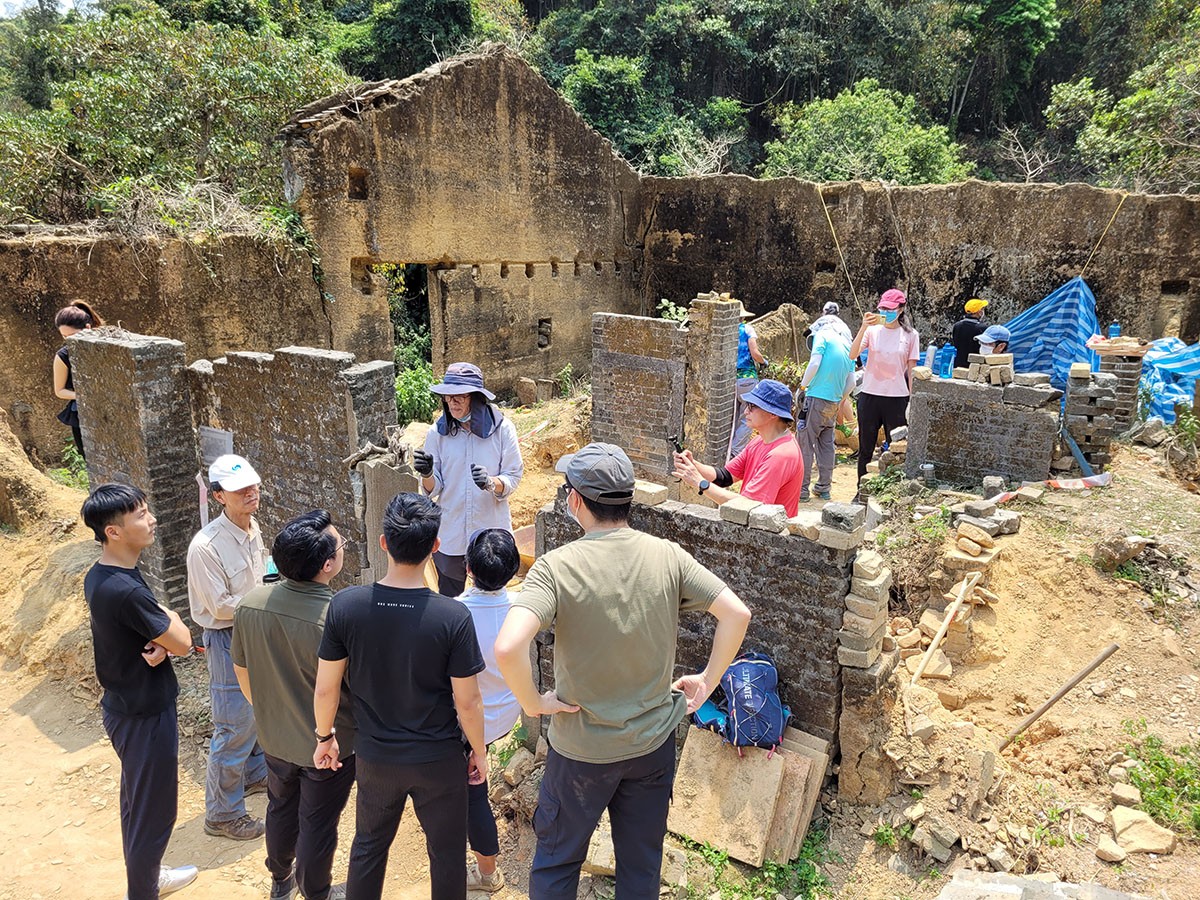
In recent years, many returning villagers and dedicated volunteers have engaged in efforts to revitalise Mui Tsz Lam. Despite challenges such as abandoned land and lacking basic water and electricity infrastructure, their commitment remains unwavering. Since the establishment of the Countryside Conservation Office, projects such as the improvement of footpaths connecting Lai Chi Wo, Mui Tsz Lam, and Kop Tong have been carried out, and the restoration of electricity supply has been facilitated. These initiatives have gradually reinvigorated Mui Tsz Lam, with house revitalisation, farmland rehabilitation, and community activities breathing new life into the village.

Mural Art | Colours Brightening Mountain Village Life

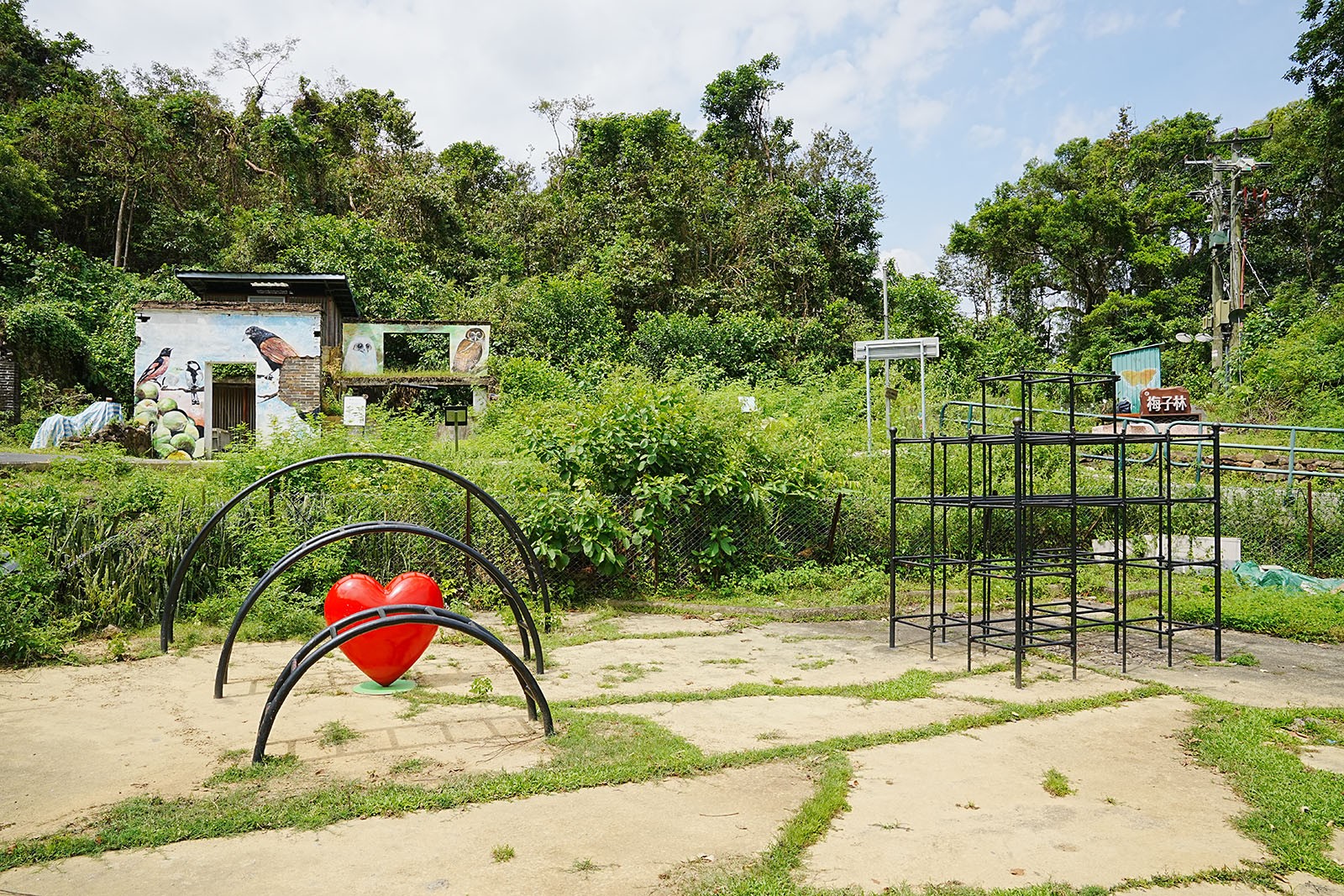
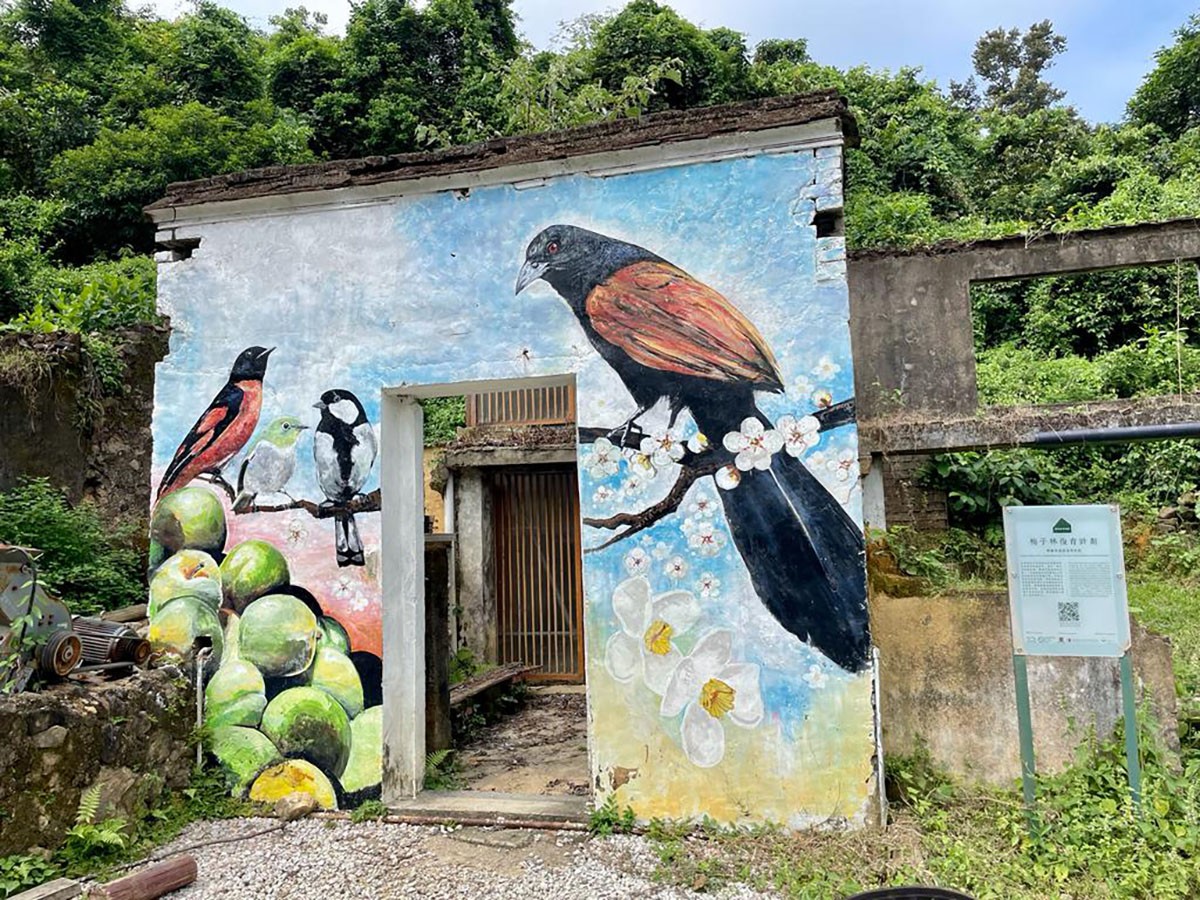
Upon entering Mui Tsz Lam, the vibrant murals adorning village houses and weathered walls immediately capture attention - all hand-painted by local illustrator Human Ip. These artworks skilfully depict rural wildlife such as the greater coucal, brown cattle, and masked palm civet, alongside native flora, interwoven with daily stories of villagers and farmers. Each painting breathes life into Mui Tsz Lam, blending nature and art into a tapestry of renewed vitality.

Fung Shui Woodlands' Shelter | Guardians of Tradition and Green Heritage

Nestled at the front and rear of Mui Tsz Lam, three fung shui woodlands embrace the valley with towering trees. In adherence to tradition, villagers never fell trees within these sacred woods, gathering only fallen branches for firewood. This unwavering commitment has preserved the lush, verdant landscape of the old village through time, maintaining its vibrant natural heritage.

Mui Tsz Lam Playground | Collective Memories of the Villagers

Mui Tsz Lam Playground is one of the few remaining children's playgrounds preserved to this day among the seven villages of Hing Chun Yeuk in Hong Kong. According to villager recollections, the government's 'Caring for the Countryside Scheme' in 1960s provided Mui Tsz Lam with a playground featuring square steel frames and arched climbing structures for children. There were also film screenings organised in the playground. These initiatives collectively created a cherished trove of memories for generations of villagers.