




Skip to content

4 Lai Chi Wo Square

Signage Content

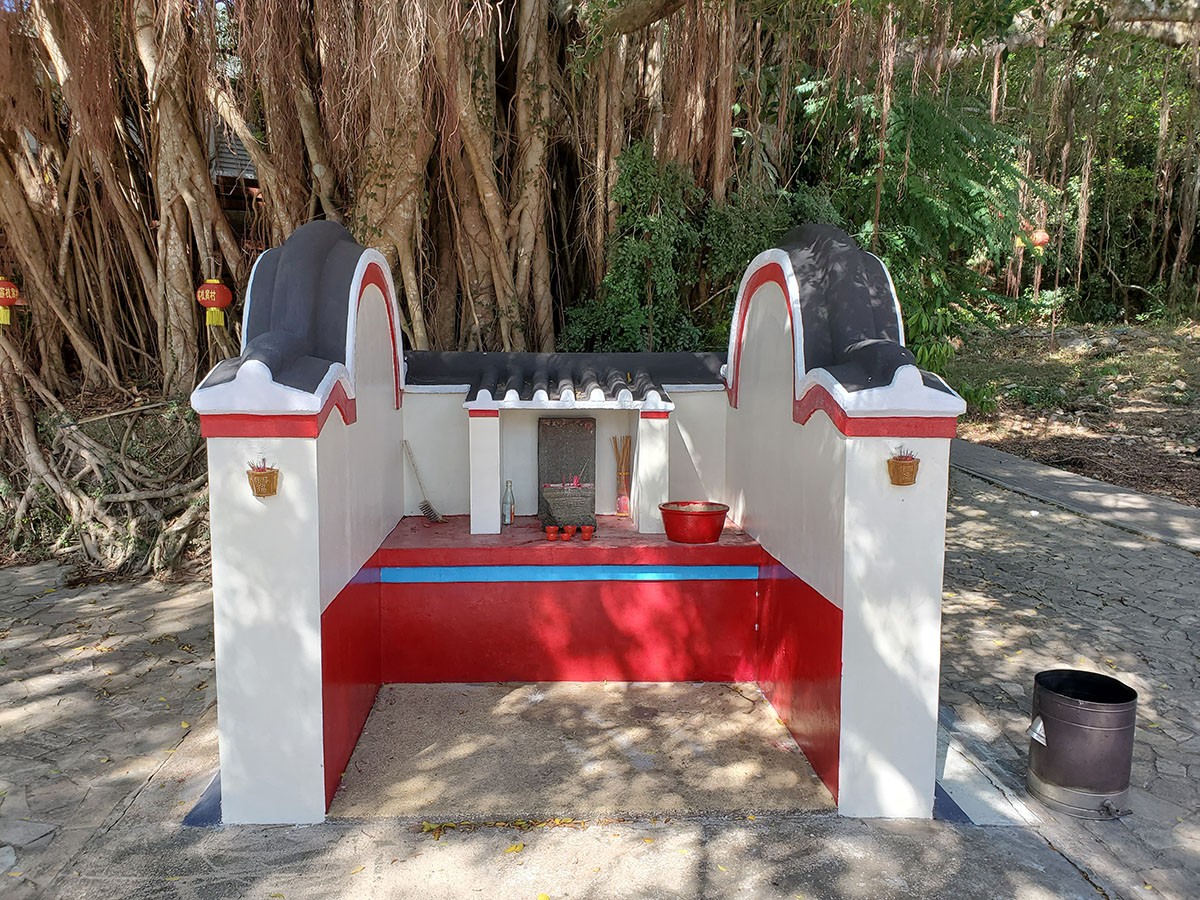
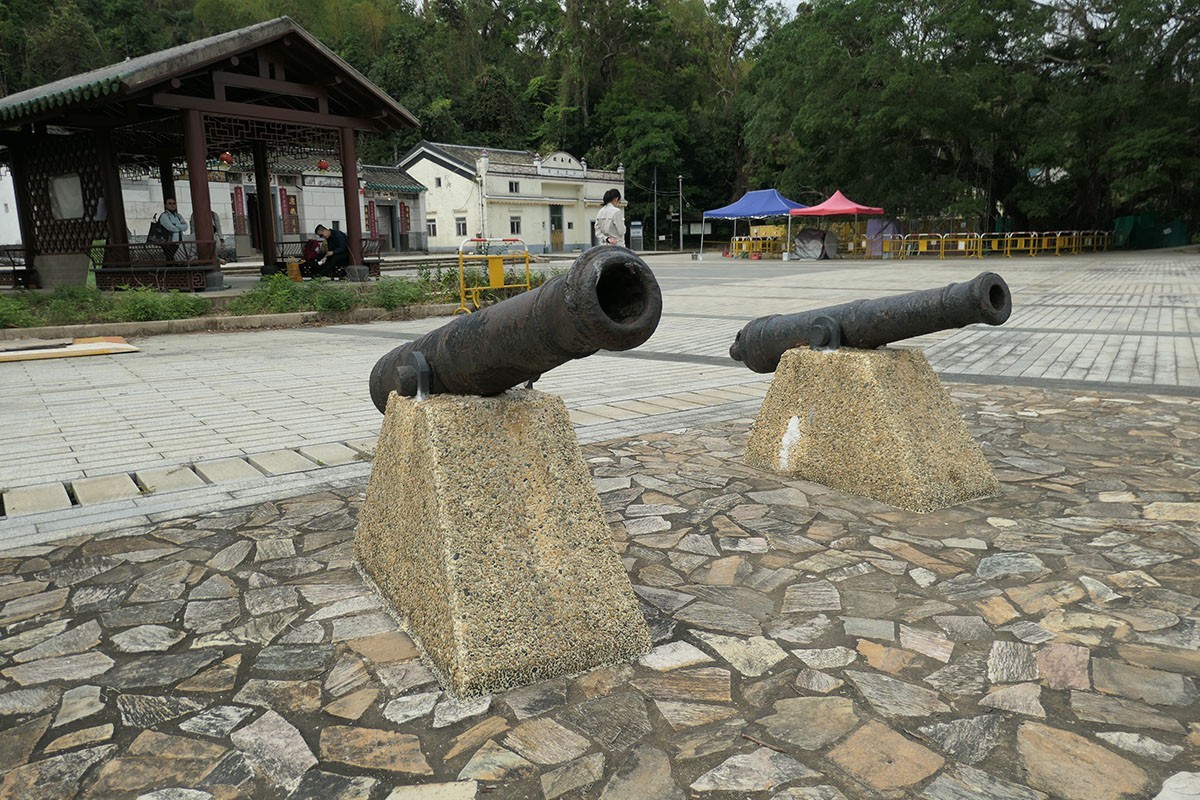
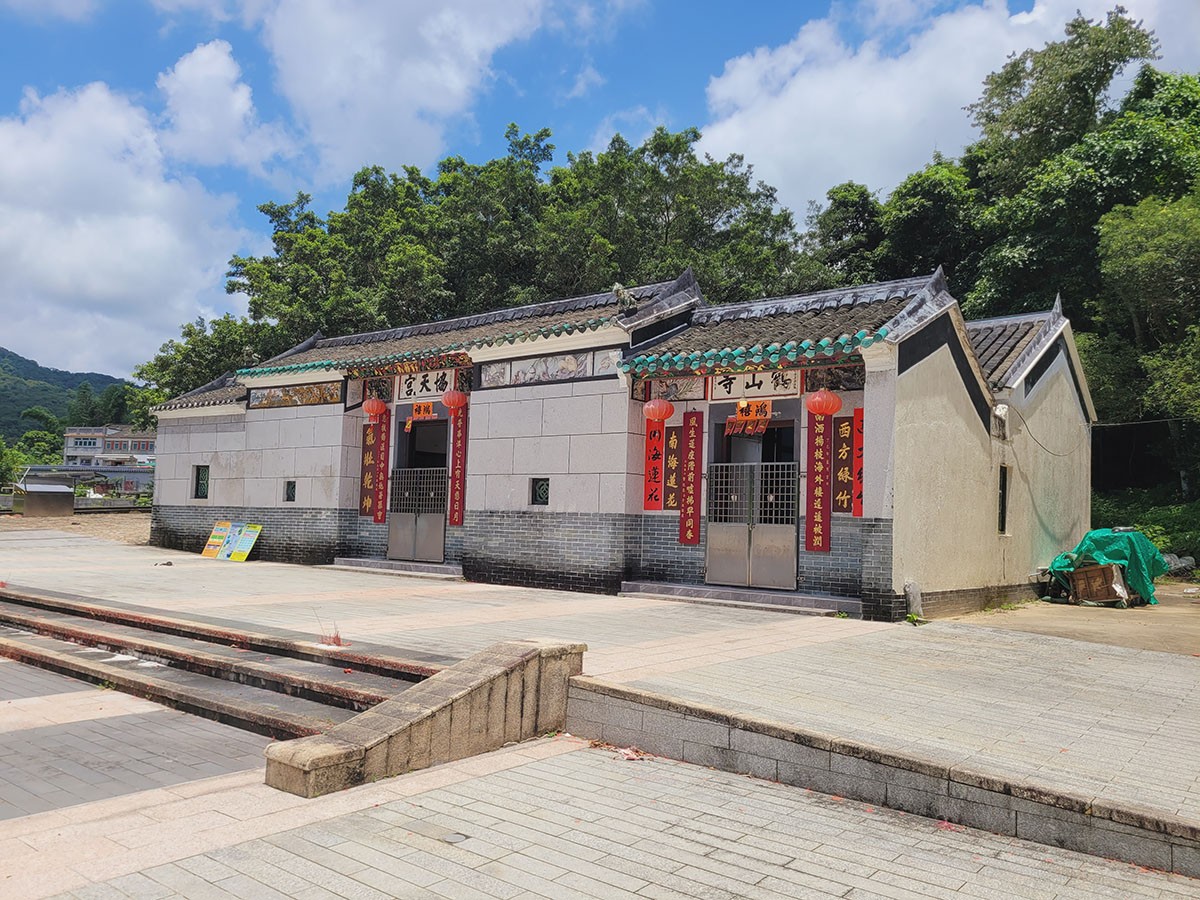
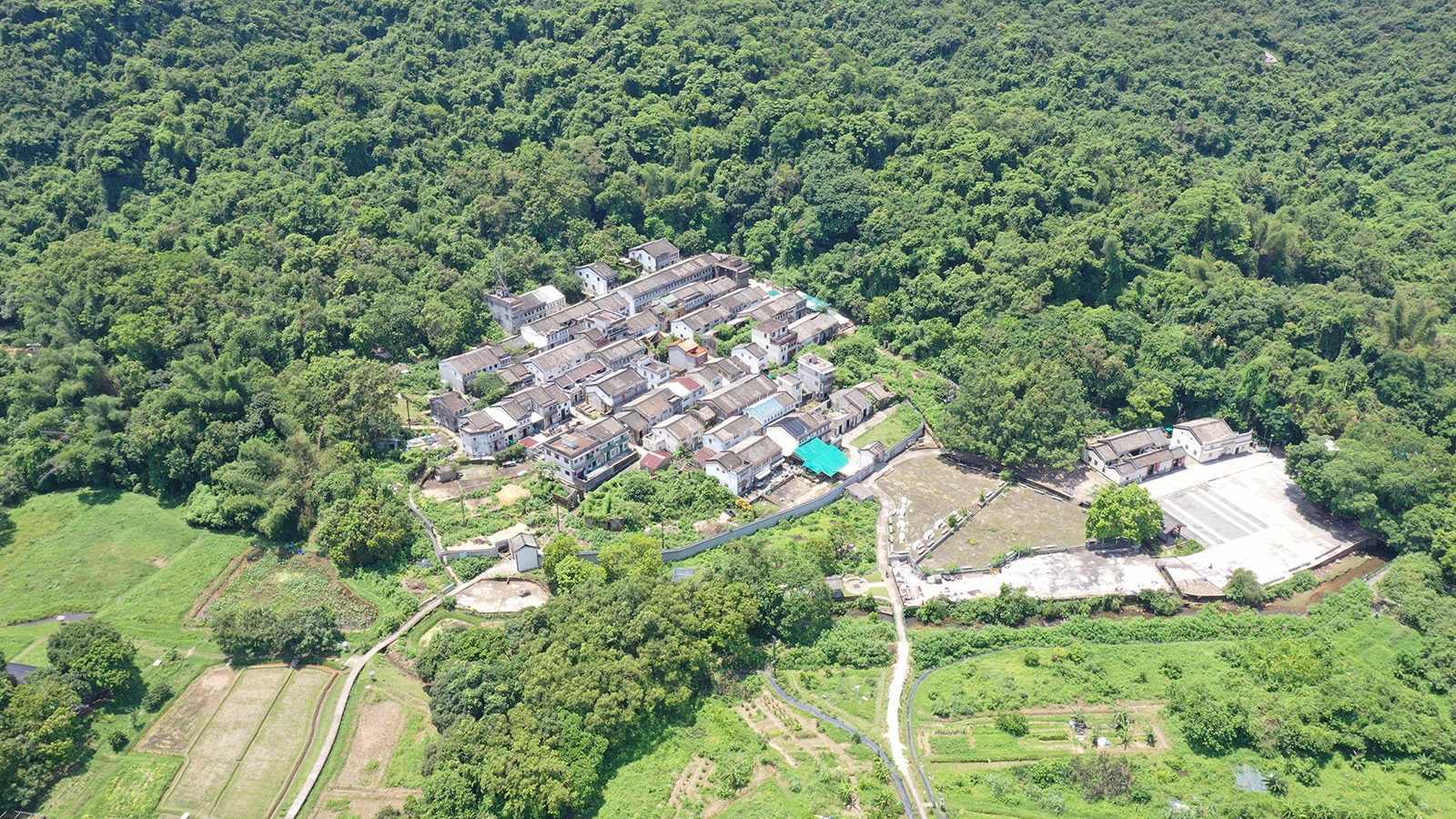
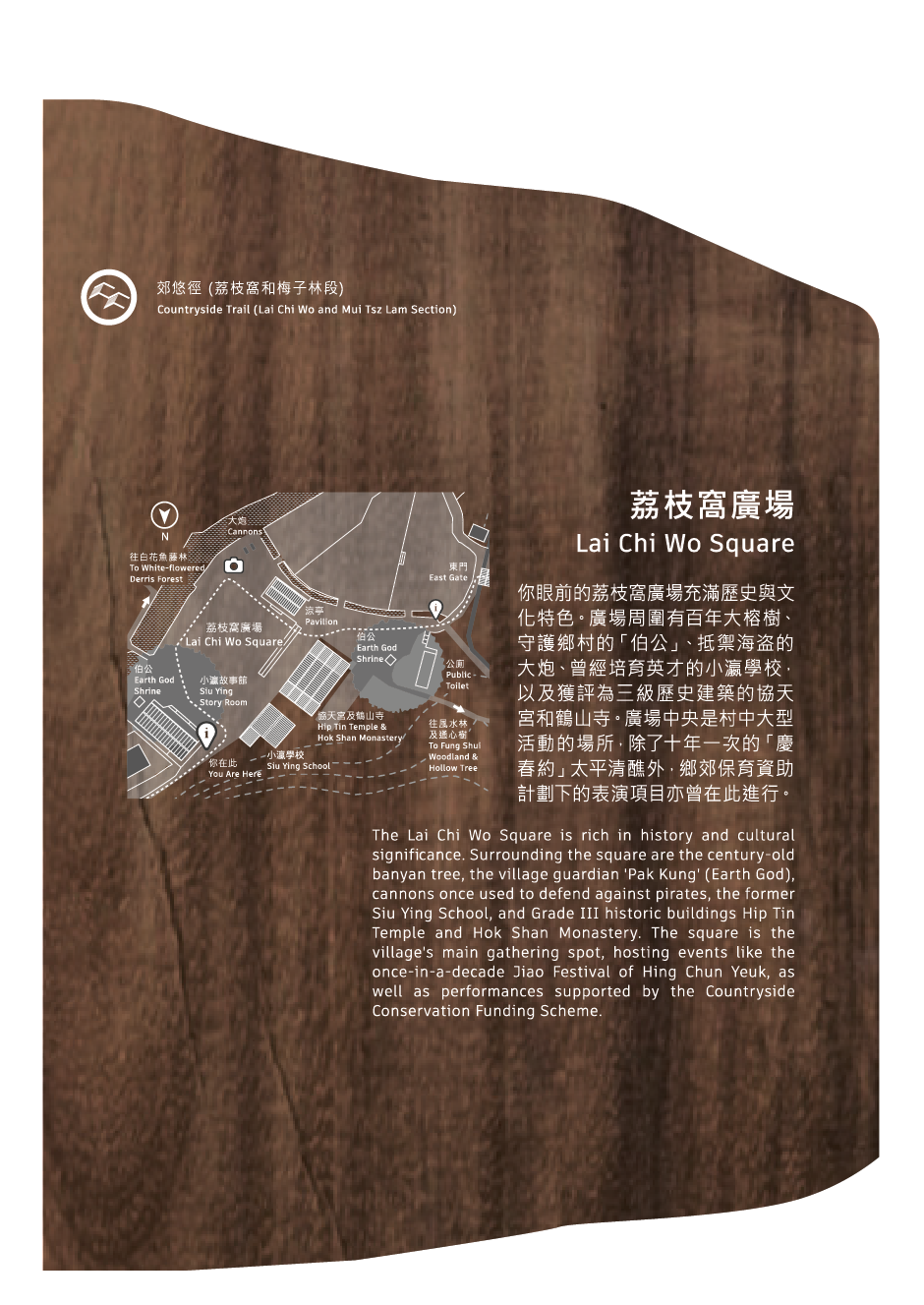
The Lai Chi Wo Square is rich in history and cultural significance. Surrounding the square are the century-old banyan tree, the village guardian 'Pak Kung' (Earth God), cannons once used to defend against pirates, the former Siu Ying School, and Grade III historic buildings Hip Tin Temple and Hok Shan Monastery. The square is the village's main gathering spot, hosting events like the once-in-a-decade Jiao Festival of Hing Chun Yeuk, as well as performances supported by the Countryside Conservation Funding Scheme.

Siu Ying School|Pathway to Learning

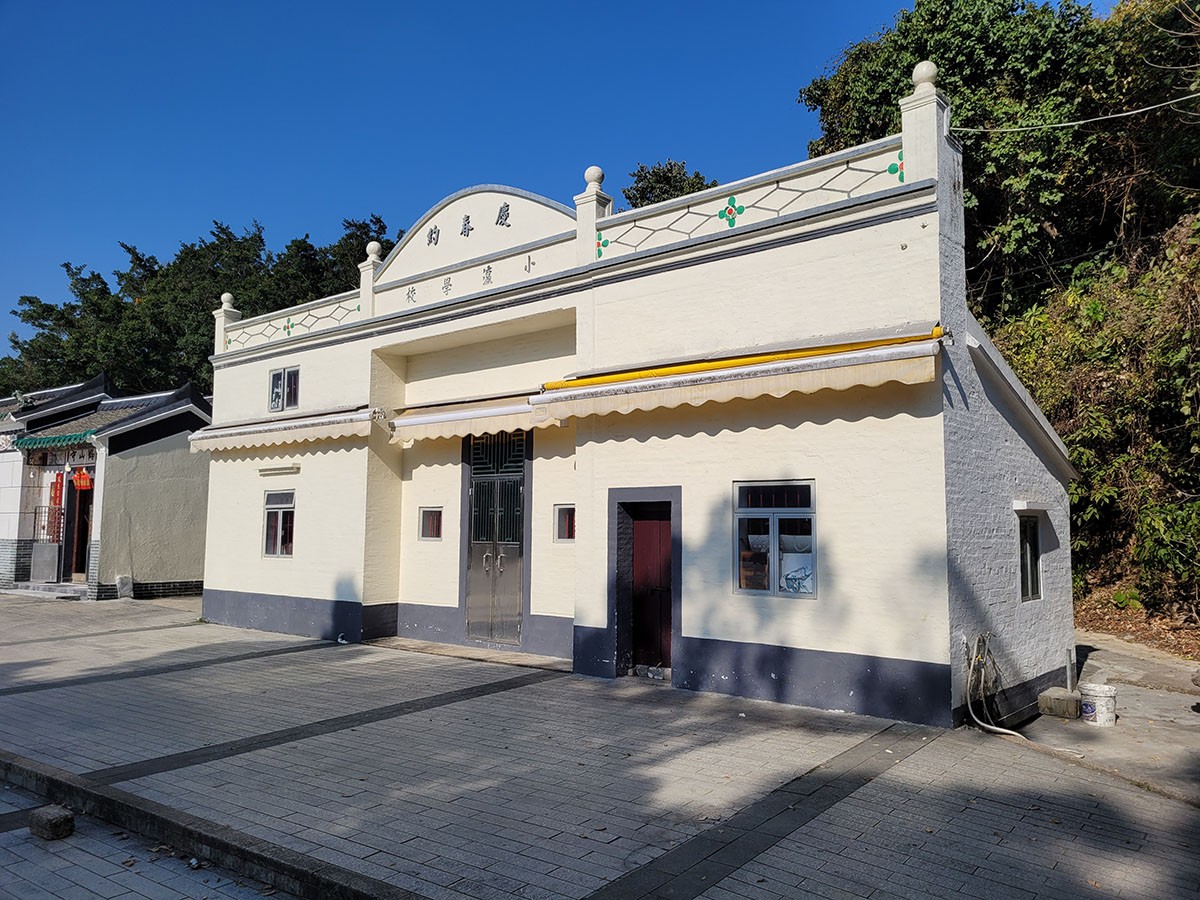
Built in 1927, Siu Ying School was the only primary school serving children across the seven villages of the Hing Chun Yeuk. Each day, children from remote villages braved long walks in all weather for the chance to study. The school was named after the villagers' ancestral home of Yingzhou in Shandong, preserving a connection to their roots and nurturing a shared memory treasured by generations. Due to villagers moving away, Siu Ying School ceased operation in 1988.
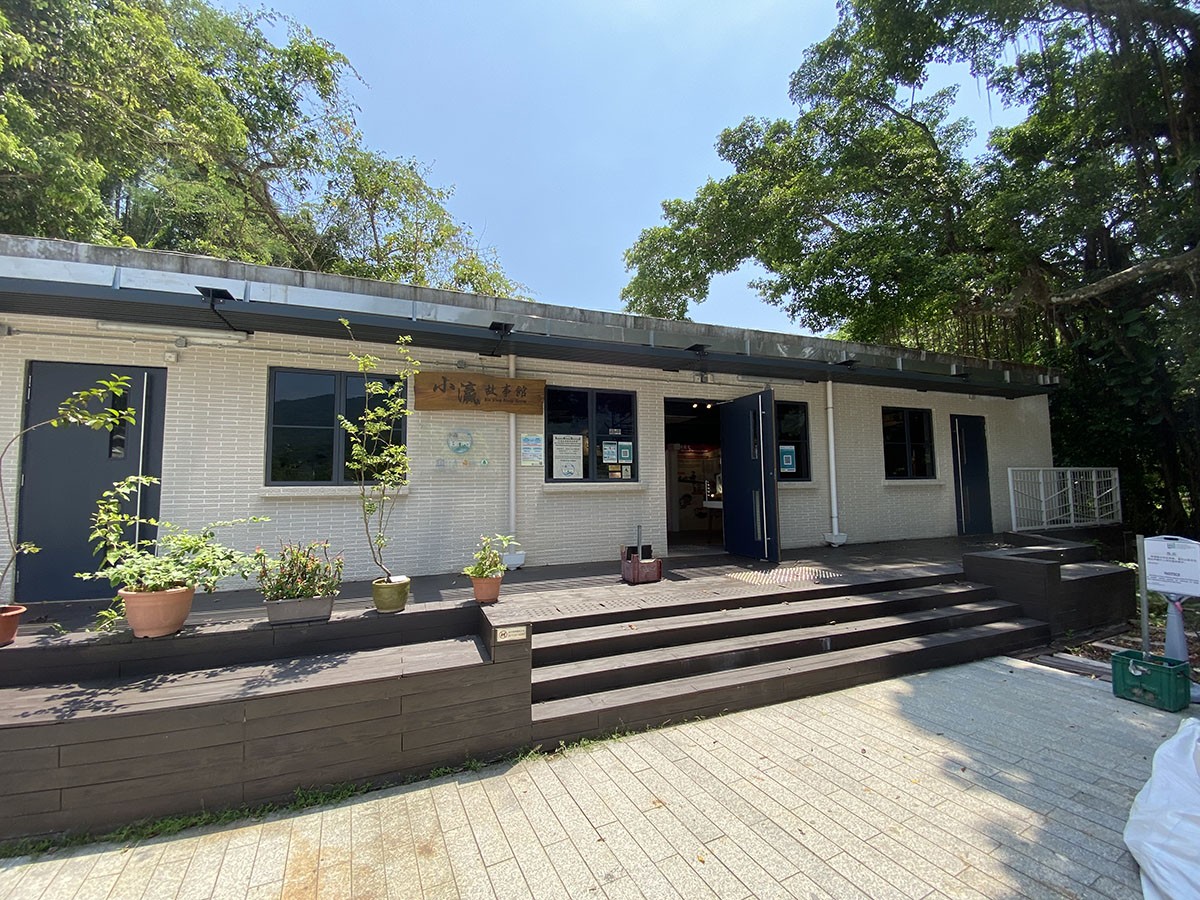
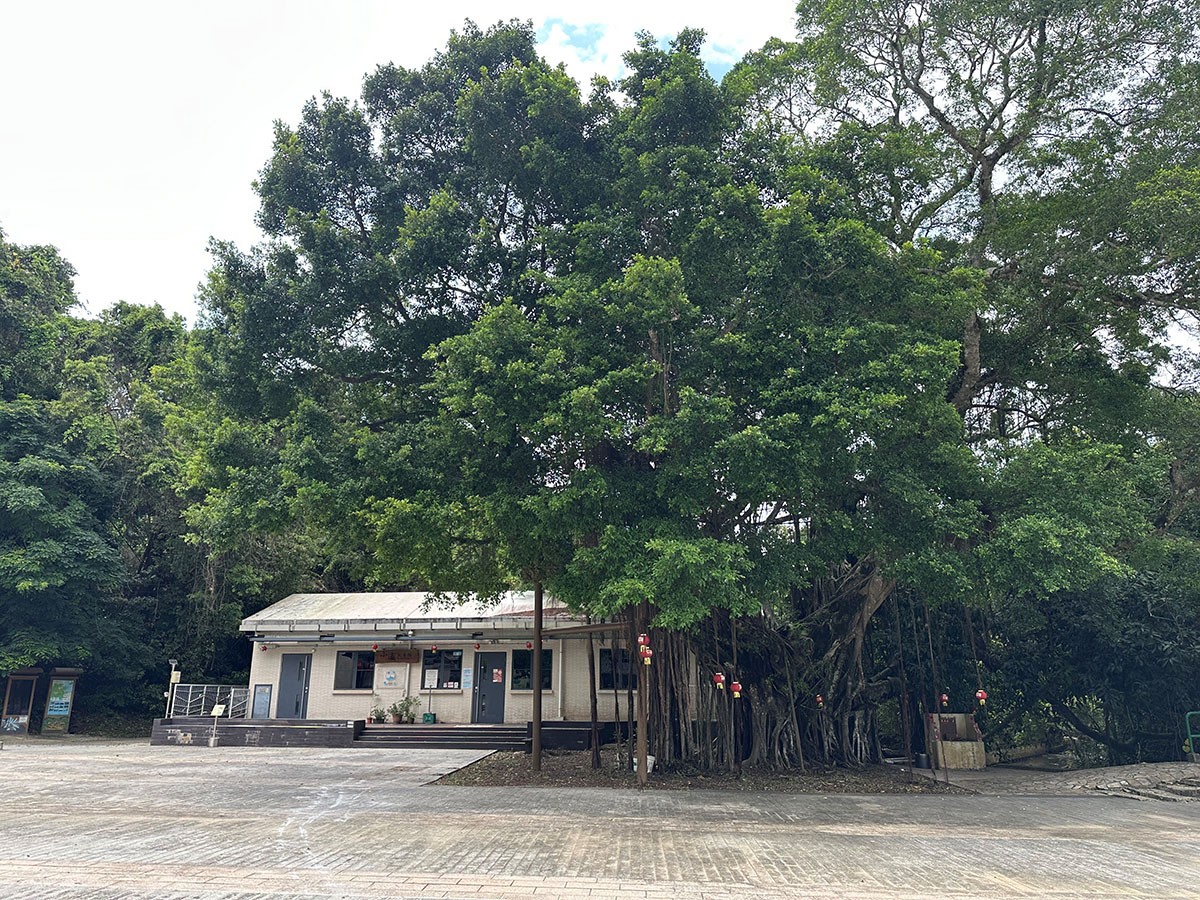
Siu Ying Story Room|Exploring Hakka Life and Heritage

Housed in the former extension of the old school, the Siu Ying Story Room was created by the seven villages of Hing Chun Yeuk in cooperation with the Hong Kong Geopark. Inside the Story Room, oral histories and artefacts recall the lives of the seven villages through four themes, including History of Hing Chun Yeuk and the Seven Villages, Siu Ying School, Tai Ping Ching Chiu (Jiao Festival), and Farming and Trade. It is a small but powerful window into the daily resilience, celebrations, and connections of community life. Please check the Hong Kong Geopark website for the opening hours.

Ancient Trees|Nature's Long Guardians

Across the village stand venerable centenarian trees: the great banyan of the square, the century-old Hollow Tree, the giant Five-finger Camphor, and the Lianli (Husband and Wife) Tree. Though weathered by a century of wind and rain, they remain lush with green. These trees are companions of the villagers across generations and living witnesses to the passage of village history.

Pak Kung Shrines|Guardians of the Land

In Hakka tradition, the earth god is affectionately called Pak Kung. Lai Chi Wo has several Pak Kung shrines - at the village, at the door gate, by the bridge, and beside the wells. Villagers burn incense and offer prayers to Pak Kung for protection and well-being. These shrines embody both reverence for the land and the enduring hope for peace in community life.

Historic Cannons|Symbols of Self‑Protection

Lai Chi Wo was defended with iron cannons to defend against previous threats from coastal pirates. Although centuries have passed, the two historic cannons still remind villagers of their courage and determination to protect themselves.

Hip Tin Temple and Hok Shan Monastery|Faith and Community Cohesion

Hip Tin Temple and Hok Shan Monastery are places of worship and justice for the villagers. Hip Tin Temple is dedicated to the Kwan Tai (God of War), where village affairs and disputes are settled. Hok Shan Monastery, a subsidiary of Hip Tin Temple, is dedicated to Guanyin, symbolising compassion and protection. Festivals, especially Kwan Tai's birthday and the Hing Chun Yeuk Taoist rituals, drew together people from all seven villages and beyond Sha Tau Kok, knitting community ties that last to this day.

White-flowered Derris Broadwalk|Wetland Wonders

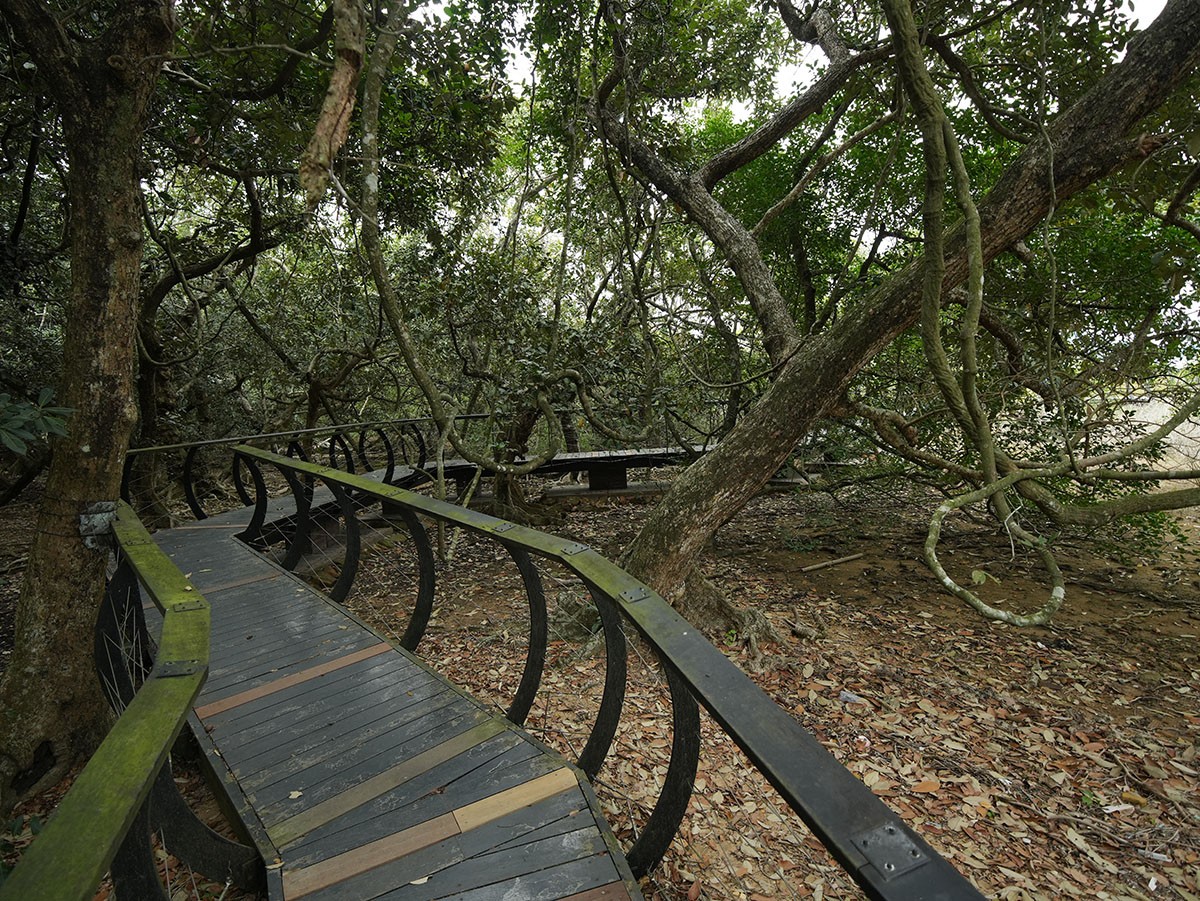
Walking along the mangrove boardwalk reveals a striking sight: the famous White-flowered Derris vines that coil like giant serpents and form natural archways of shade. Scattered throughout this woodland are Coastal Heritiera, the tallest native mangrove species in Hong Kong. Further along the trail lies one of the city's rare mangrove forests that hosts all true mangrove species recorded locally. Here, you can spot familiar mangrove dwellers like mudskippers and fiddler crabs thriving in their natural habitat.

Lai Chi WOW! | Children Play Theatre

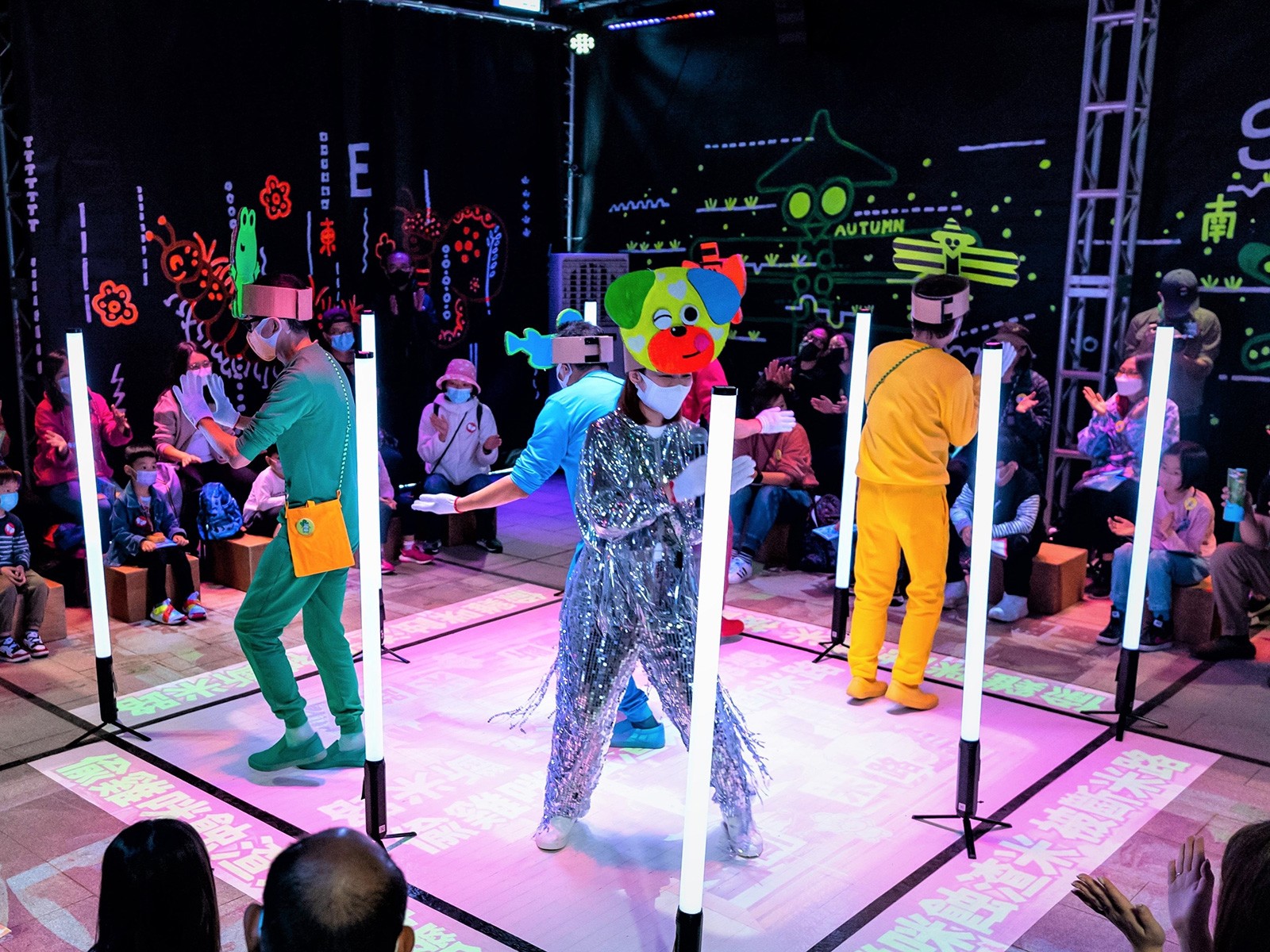
Under the support of the Countryside Conservation Funding Scheme, the project organisation created a time-limited pop-up children's playground theatre in Lai Chi Wo Square. The project integrated art and technology through fun and interactive performances, combining education with entertainment to help children learn about Lai Chi Wo's history, agricultural culture, the traditional 24 solar terms, rural ecology, and farmland rehabilitation.