





Skip to content

1 Lai Chi Wo

Signage Content

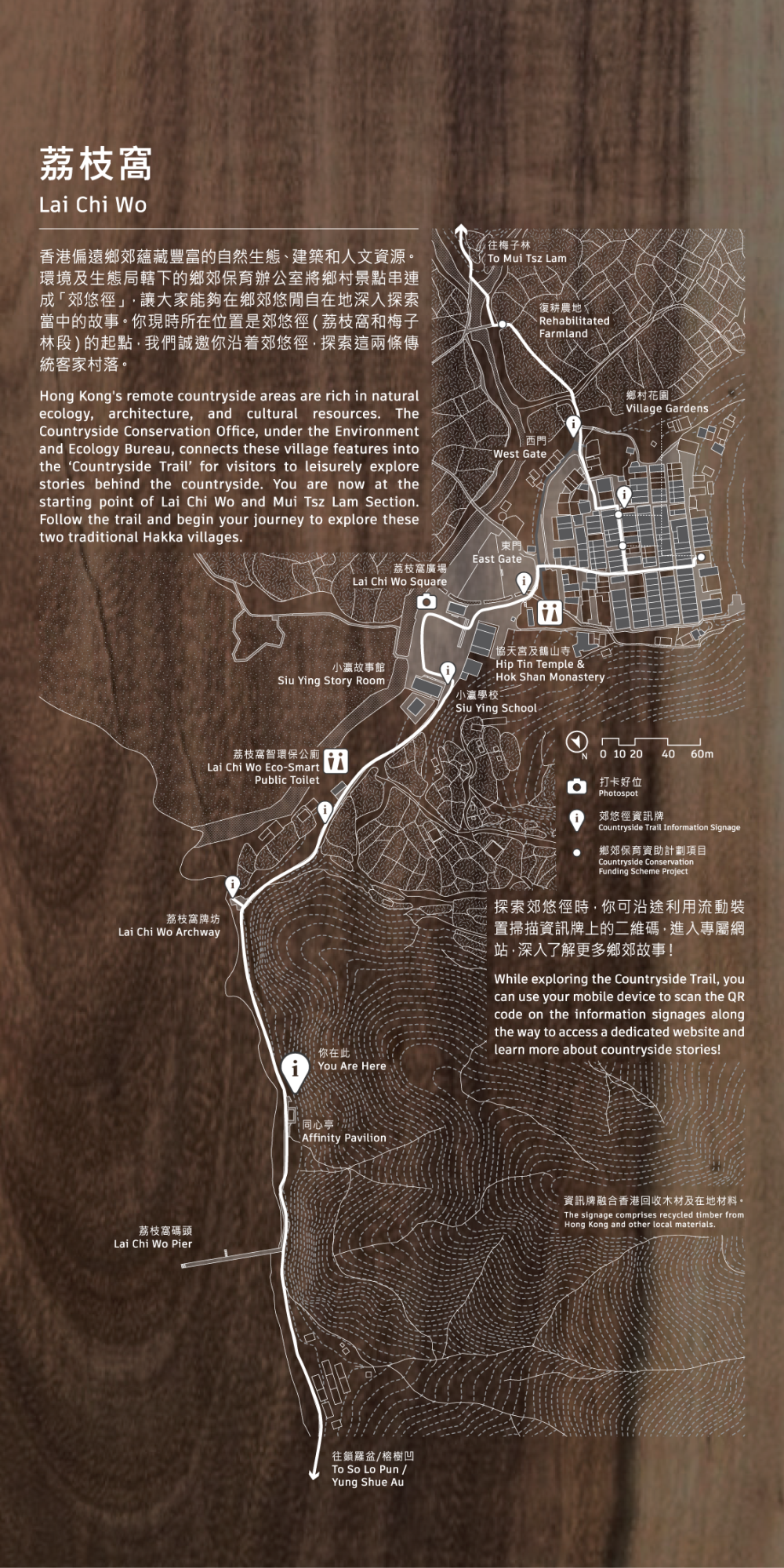
Hong Kong's remote countryside areas are rich in natural ecology, architecture, and cultural resources. The Countryside Conservation Office, under the Environment and Ecology Bureau, connects these village features into the 'Countryside Trail' for visitors to leisurely explore stories behind the countryside. The starting point of the Countryside Trail (Lai Chi Wo and Mui Tsz Lam Section) is located near the Affinity Pavilion. Follow the trail and begin your journey to explore these two traditional Hakka villages.

Lai Chi Wo Village|Four Centuries of Hakka Heritage

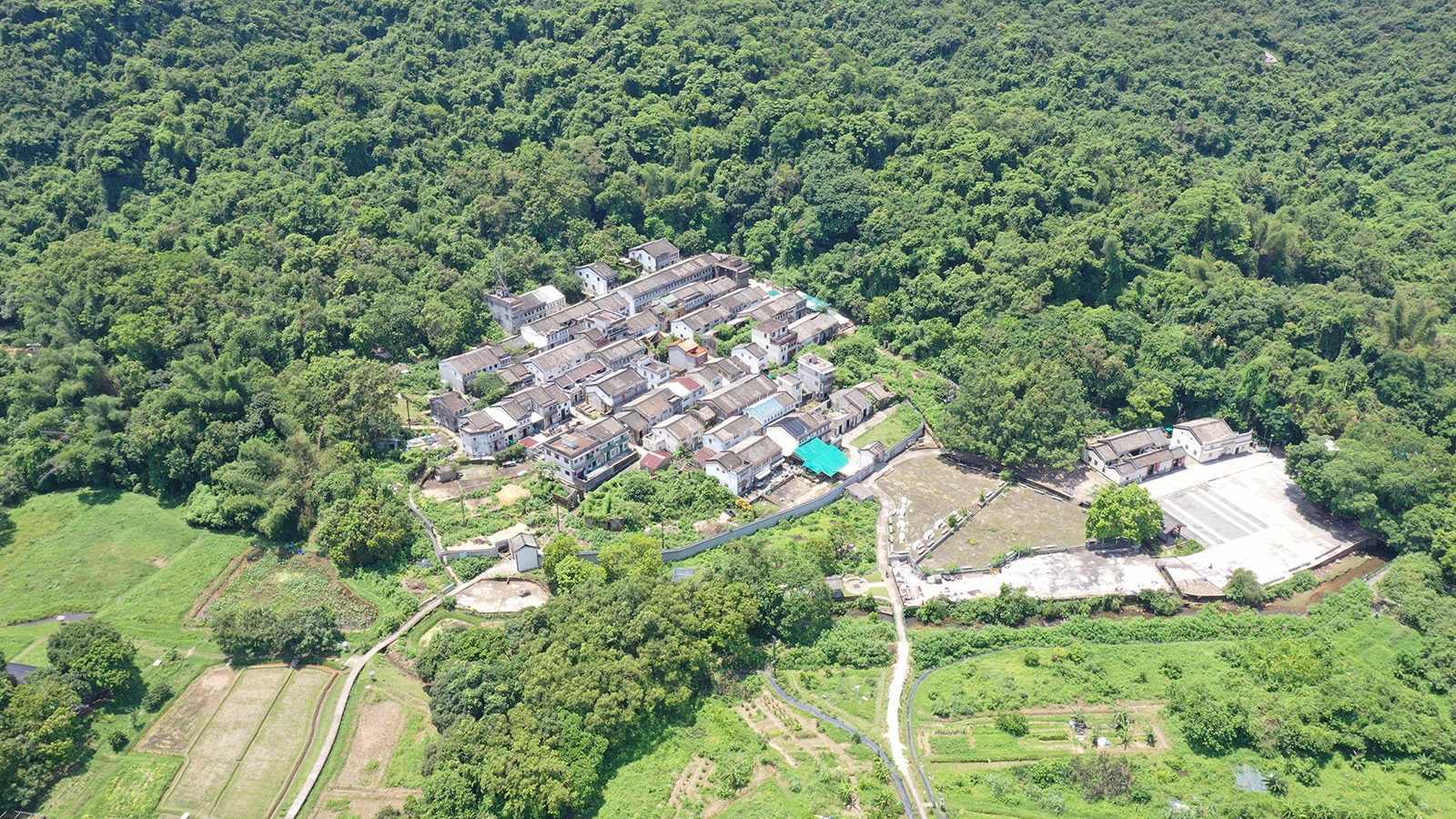
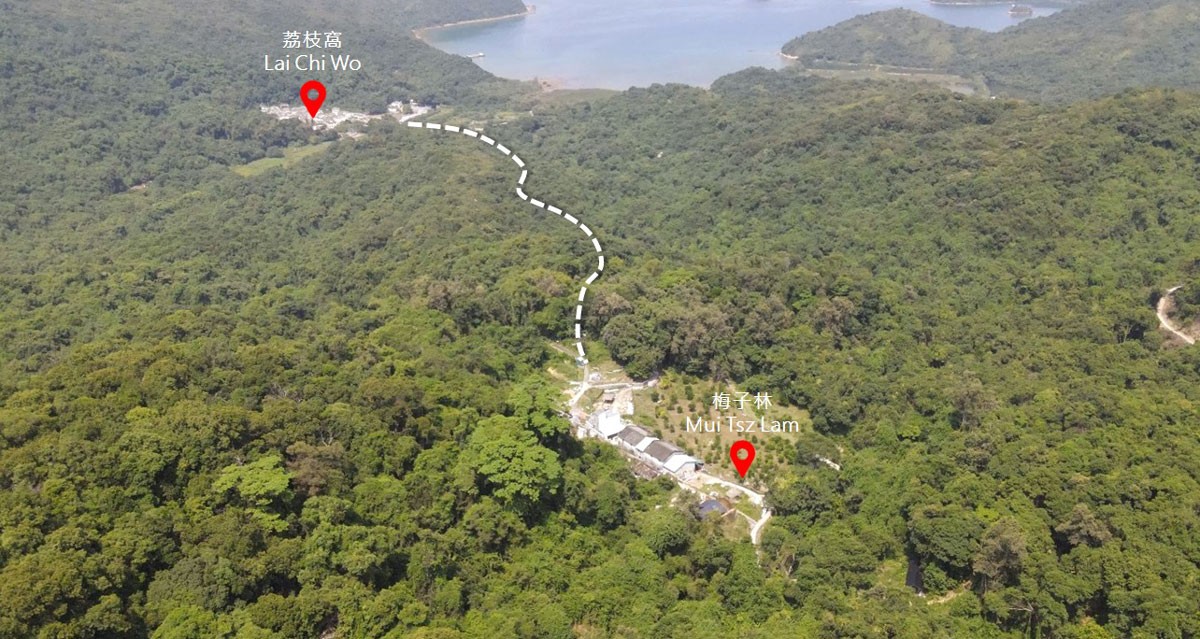
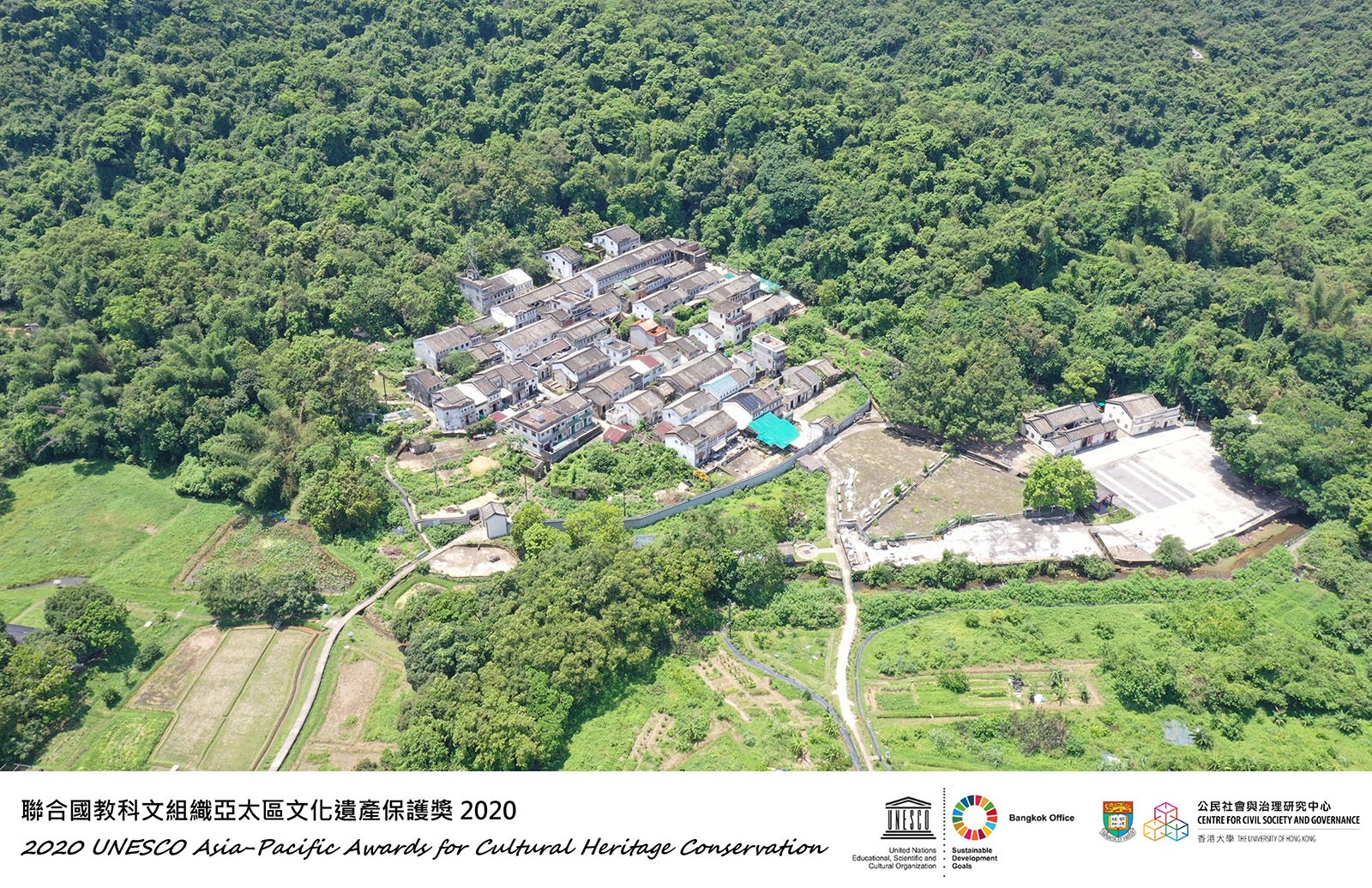
This section of the Countryside Trail connects Lai Chi Wo and Mui Tsz Lam, two historic Hakka villages just a 30-minute walk apart. The Tsang clan of Shandong migrated south to settle in Mui Tsz Lam around 400 years ago, and built Lai Chi Wo with the Wong clan afterwards. In the 1950s, at its peak, the Lai Chi Wo village had over 1,000 residents, with terraced hillsides cultivated for rice and fruit orchards.

Although times changed and many villagers left, stone walls, ancestral halls, and surrounding fung shui woodland remain intact. Walking through Lai Chi Wo today is like stepping into centuries of Hakka heritage.
Hing Chun Yeuk|Strength in Numbers

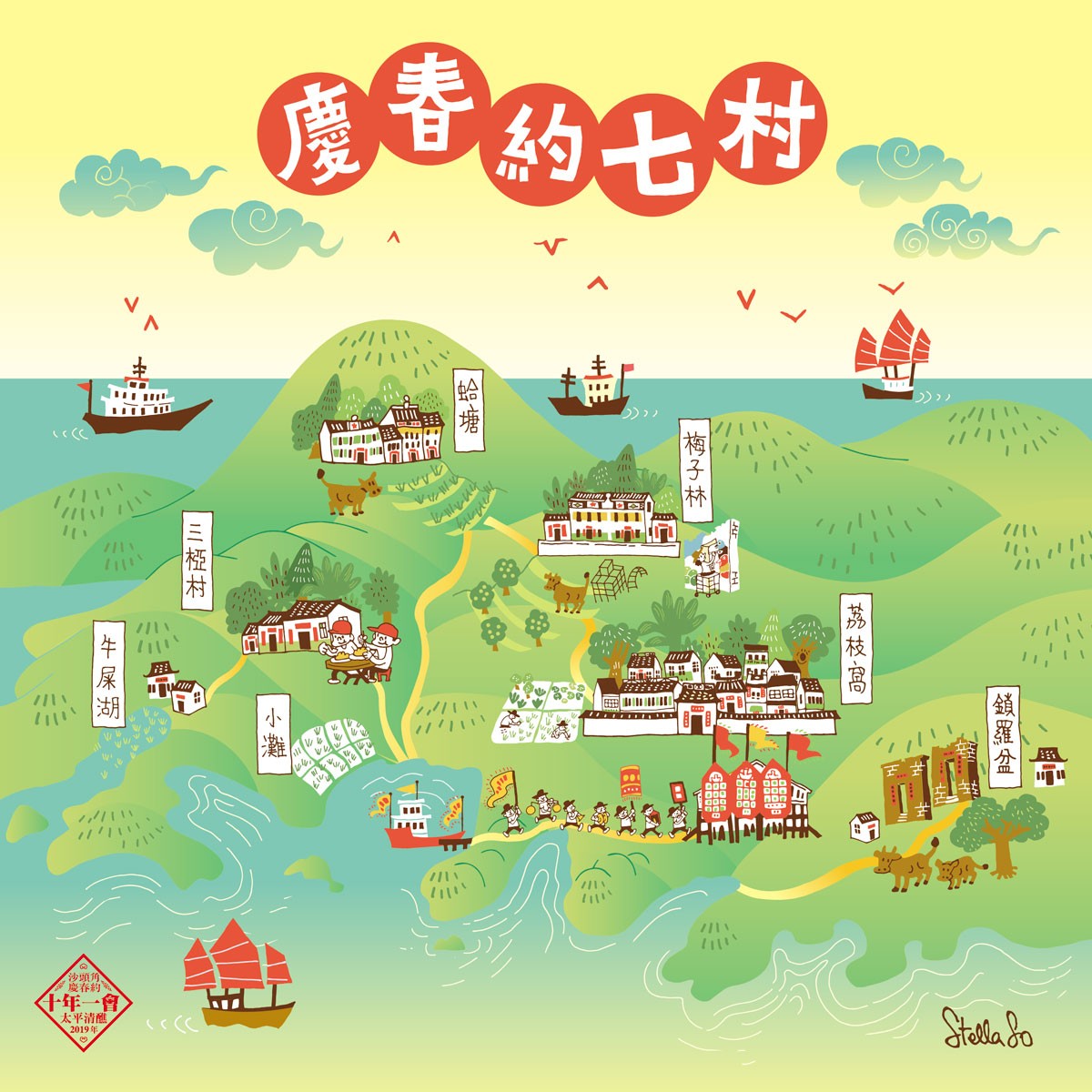
Life in remote villages was not always secure. In the 19th century, clans in Sha Tau Kok formed defensive Yeuks. The Hing Chun Yeuk linked seven Hakka villages - Lai Chi Wo, So Lo Pun, Sam A, Mui Tsz Lam, Kop Tong, Siu Tan and Ngau Shi Wu.

Together, villagers managed resources, maintained safety, and celebrated seasonal festivals. Their unity sustained them, and the spirit of Hing Chun Yeuk still lingers in shared rituals and enduring village ties.

Revitalising Lai Chi Wo|Recognised by UNESCO

From the 1960s onward, many villagers moved to the city or overseas, leaving Lai Chi Wo quiet and near-abandoned. Since 2013, the University of Hong Kong has led a revitalisation project that combines cultural conservation with sustainable development. Guided by nature-based principles and an innovative management model, the project has helped restore farmland, revitalise the local economy, reconnect the community, and rehabilitate the ecosystem.

In 2020, the project received the UNESCO Asia-Pacific Awards for Cultural Heritage Conservation - Special Recognition for Sustainable Development, demonstrating collaborative heritage conservation in Lai Chi Wo involving government, academia, business, and civil society.