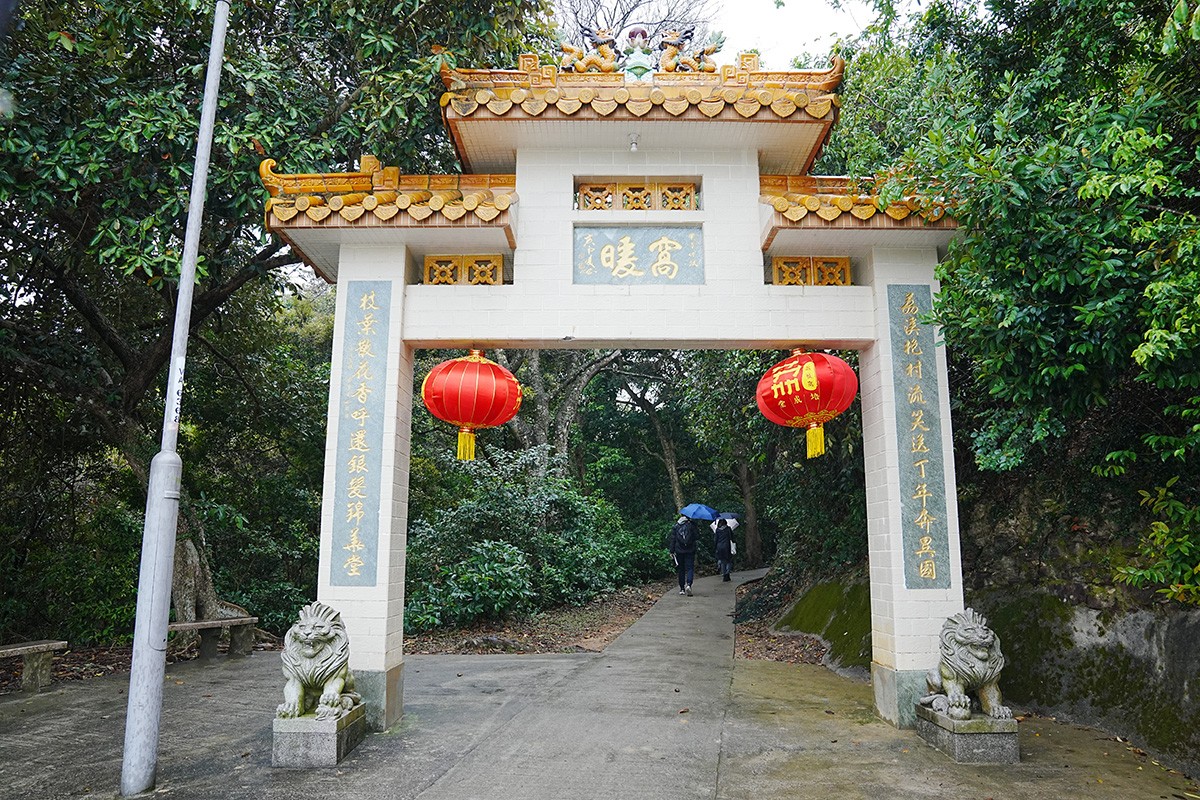
At the village entrance stands the Lai Chi Wo archway, built with donations from villagers near and far. Its couplets tell a familiar story for many families: the young villagers leaving to seek their fortune abroad, and returning in later years with honour and a deep longing for home. Beyond stone and words, the archway symbolises memory, departure, and return.
2 Lai Chi Wo Archway
Signage Content
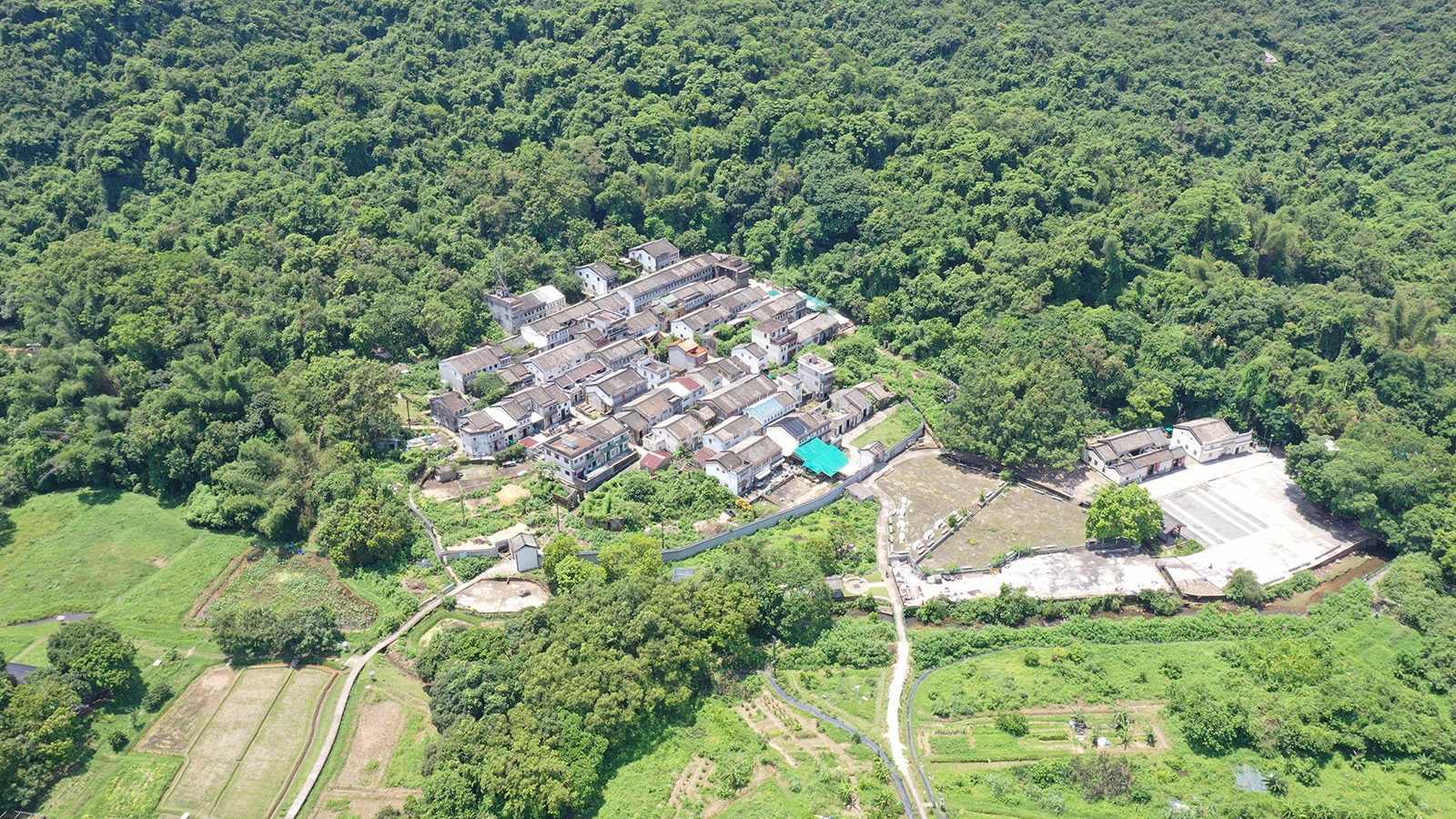
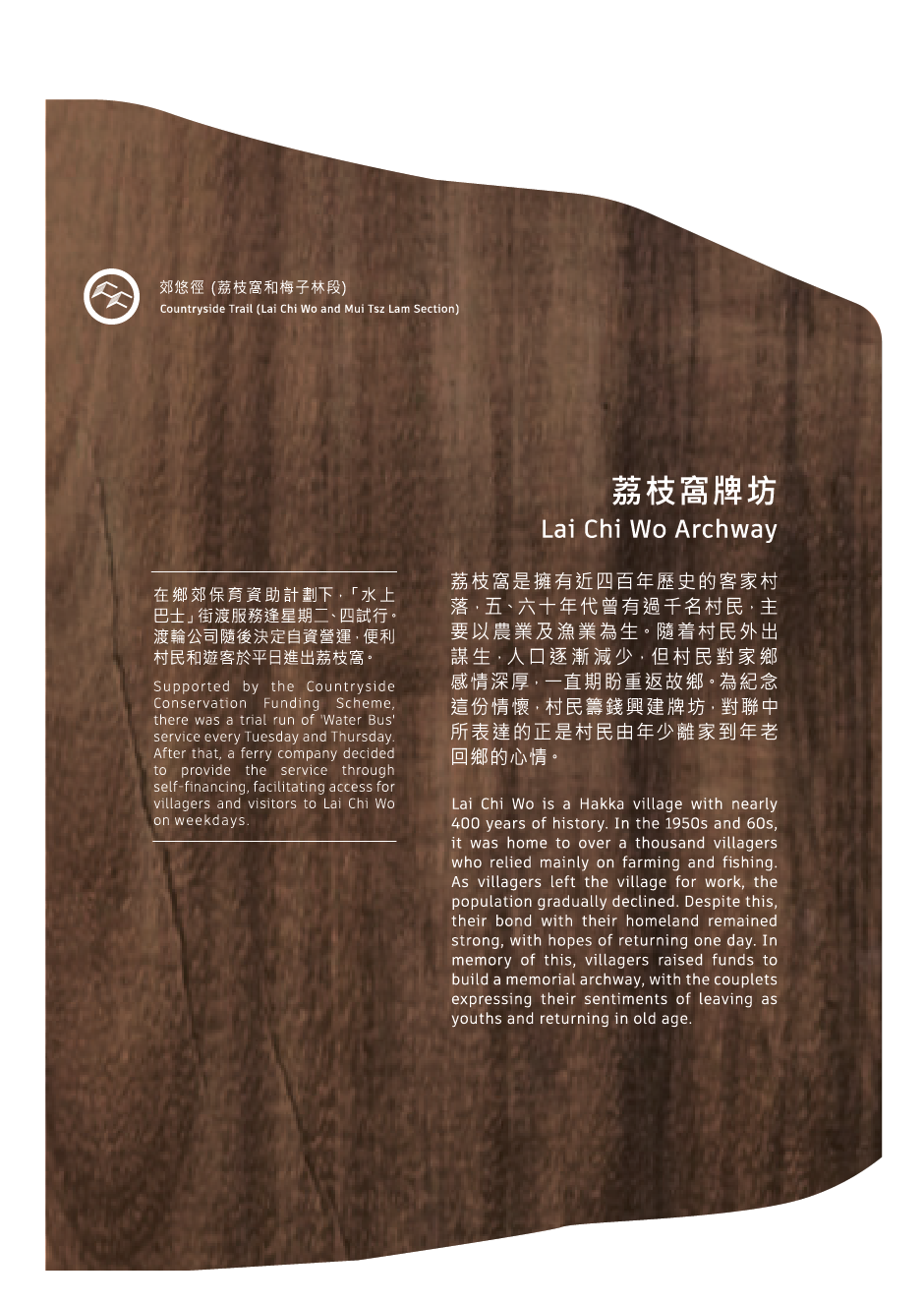
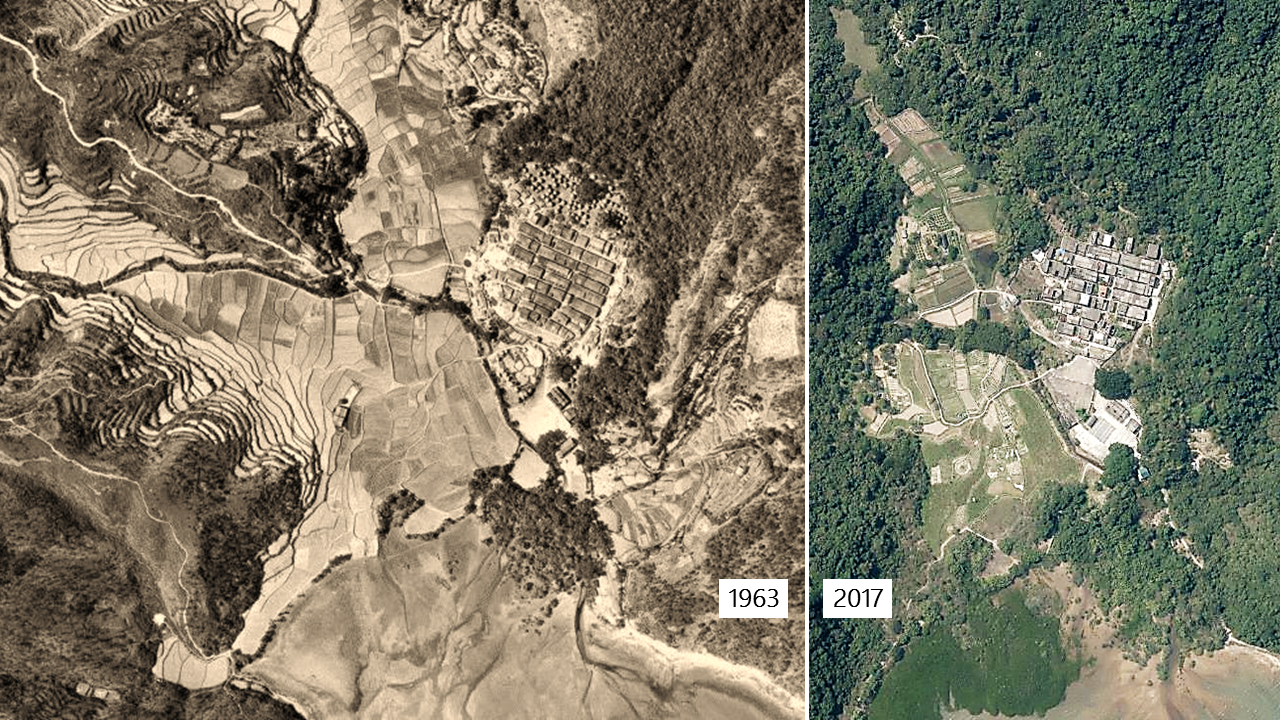
Lai Chi Wo is a Hakka village with nearly 400 years of history. In the 1950s and 60s, it was home to over a thousand villagers who relied mainly on farming and fishing. As villagers left the village for work, the population gradually declined. Despite this, their bond with their homeland remained strong, with hopes of returning one day. In memory of this, villagers raised funds to build a memorial archway, with the couplets expressing their sentiments of leaving as youths and returning in old age.
Supported by the Countryside Conservation Funding Scheme, there was a trial run of 'Water Bus' service every Tuesday and Thursday. After that, a ferry company decided to provide the service through self-financing, facilitating access for villagers and visitors to Lai Chi Wo on weekdays.
Lai Chi Wo once thrived as farmland, its paddy fields turning the valley golden, orchards rich with pineapples, plums, and mandarins. During Lunar New Year, villagers exchanged mandarins for luck and prosperity. At that time, nearly every household grew mandarin trees as a source of income. These golden fruits not only enriched the land but also carried forward the villagers' memories and heartfelt connection to agriculture and rural life.
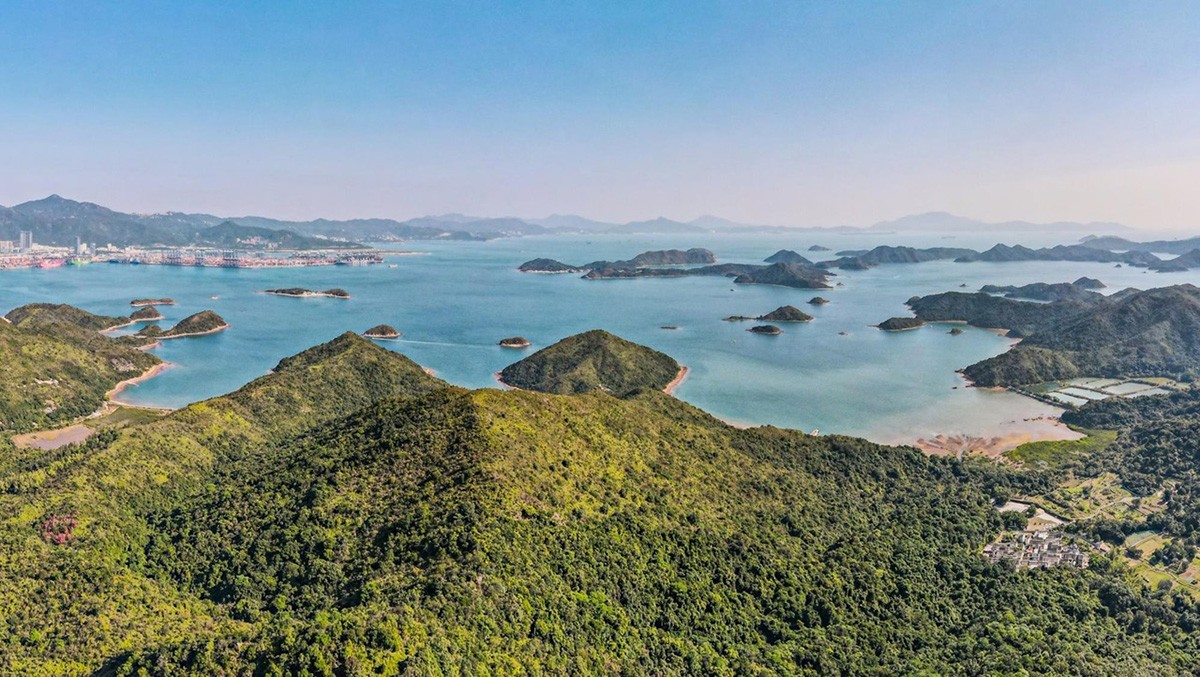
Just beyond the village, Yan Chau Tong Marine Park is famed as Hong Kong's 'Mini Kweilin'. This marine park shelters mangroves and seagrass beds where countless young fish begin life. In 1979, Lai Chi Wo beach was officially recognised as a Site of Special Scientific Interest, the first place in Hong Kong where the rare seagrass Zostera nana was found.
Home