




Skip to content

5 Lai Chi Wo Fung Shui Wall

Signage Content

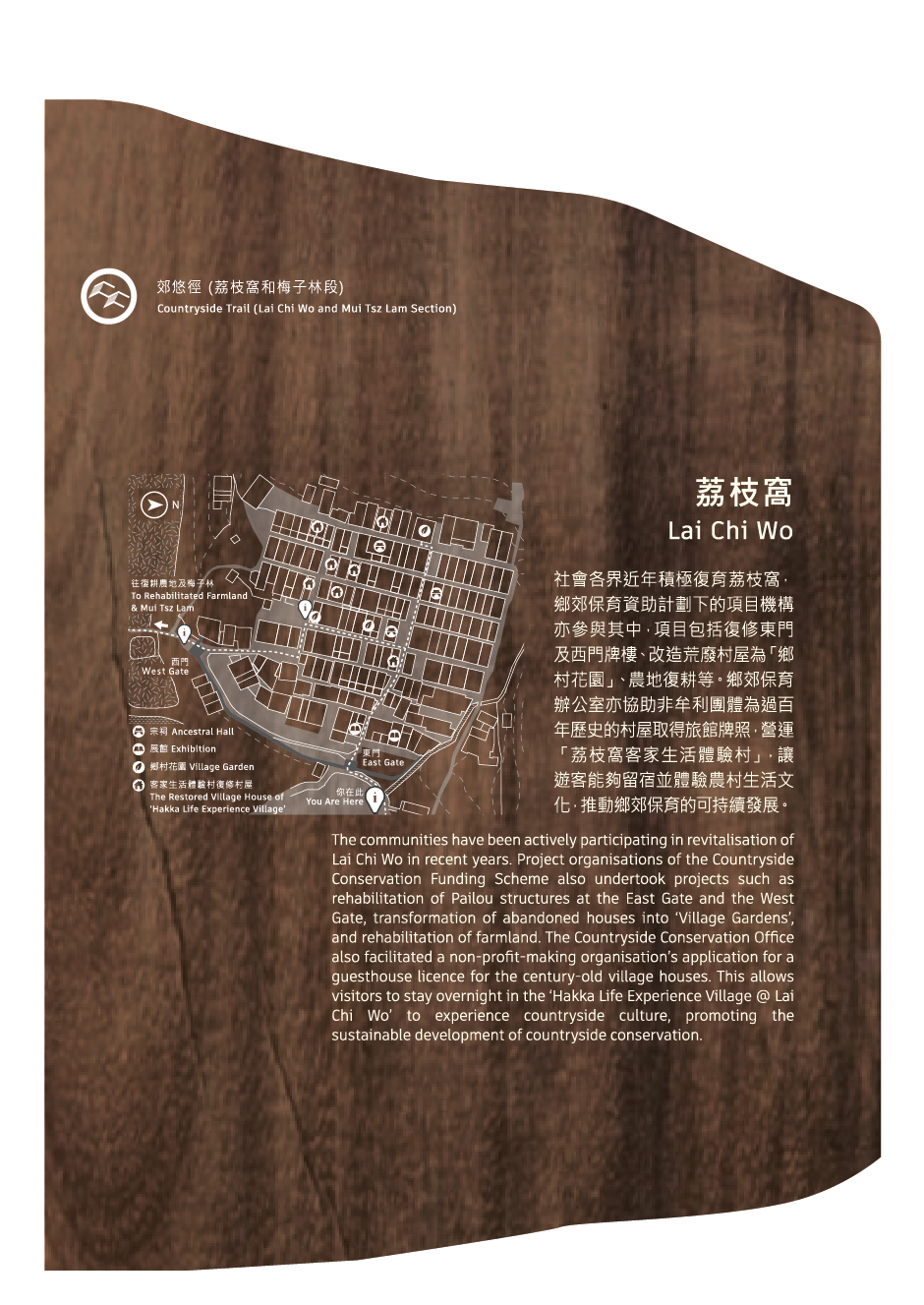
The communities have been actively participating in revitalisation of Lai Chi Wo in recent years. Project organisations of the Countryside Conservation Funding Scheme also undertook projects such as rehabilitation of Pailou structures at the East Gate and the West Gate, transformation of abandoned houses into 'Village Gardens', and rehabilitation of farmland. The Countryside Conservation Office also facilitated a non-profit-making organisation's application for a guesthouse licence for the century-old village houses. This allows visitors to stay overnight in the 'Hakka Life Experience Village @ Lai Chi Wo' to experience countryside culture, promoting the sustainable development of countryside conservation.

Fung Shui Wall|Wisdom in Design

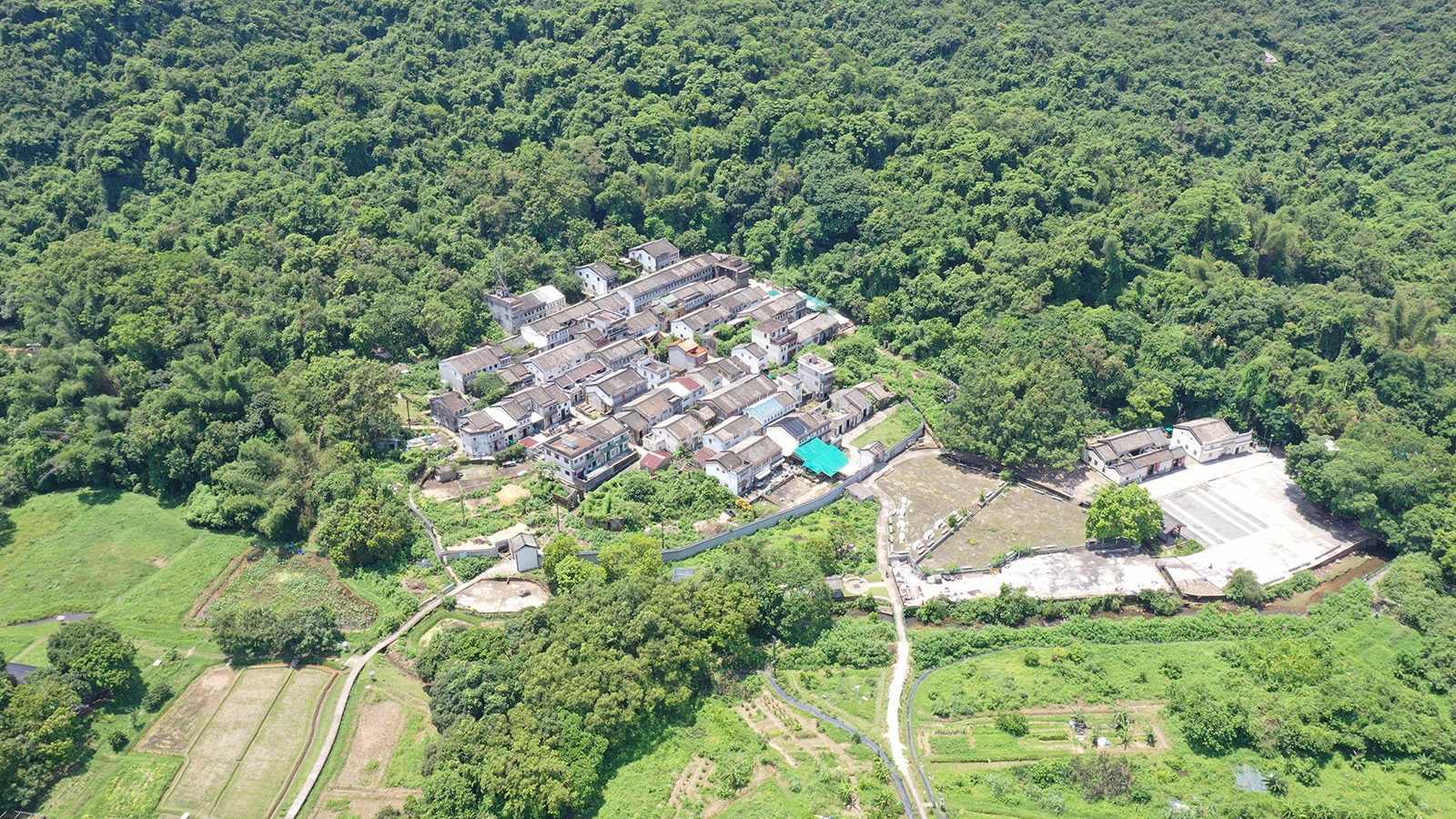
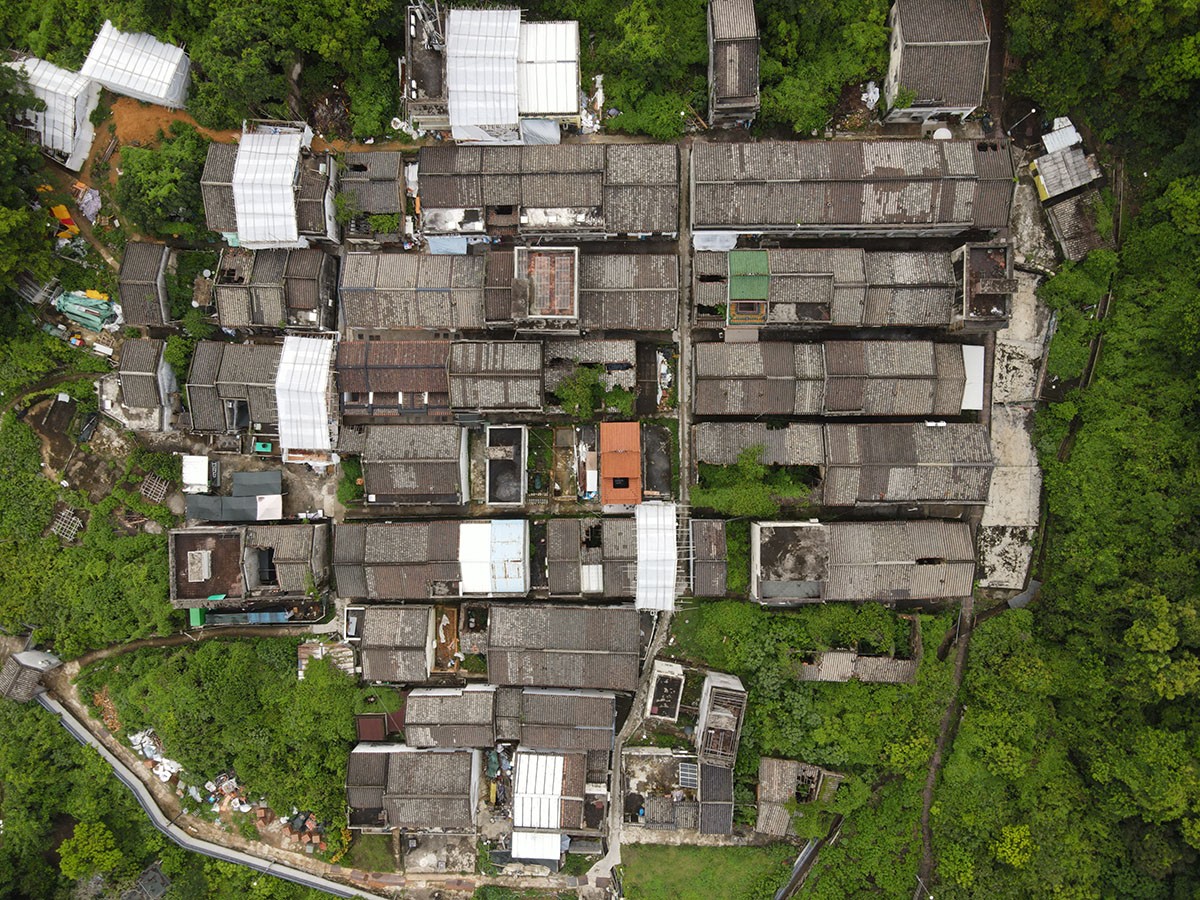
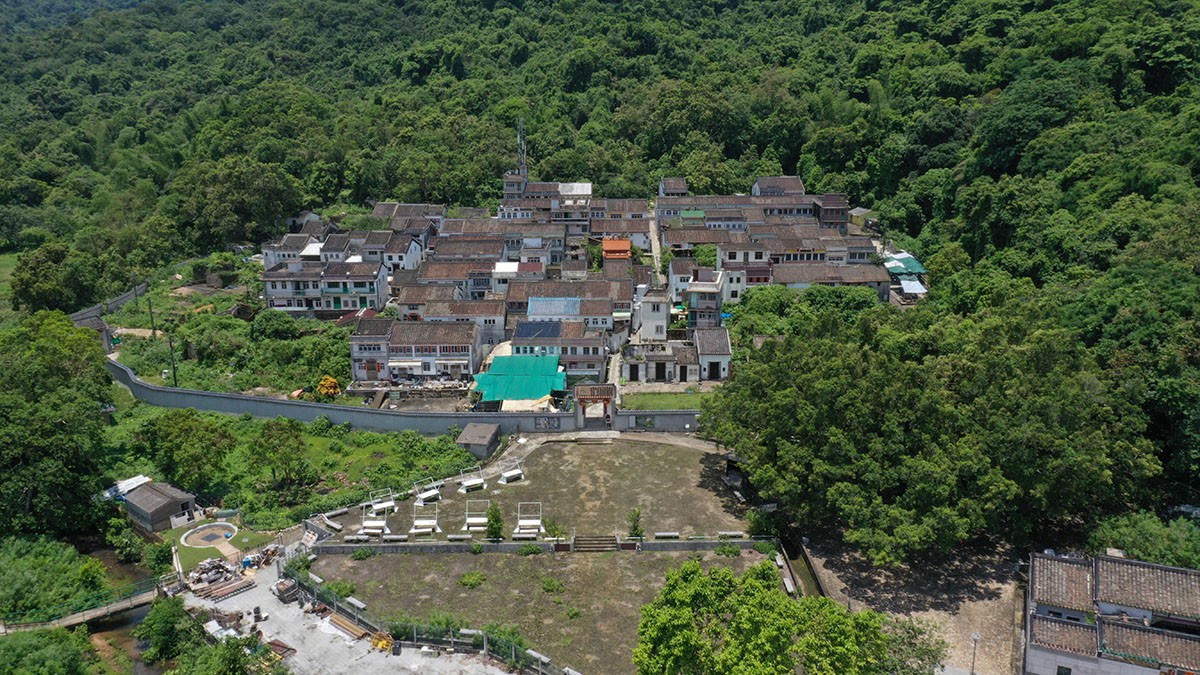
Lai Chi Wo was designed as a classic Hakka settlement: over 200 houses and three ancestral halls laid out in a 'three vertical, nine horizontal' grid, oriented west to east. Guided by a fung shui master, villagers built protective fung shui walls with eastern and western gates for preserving wealth and guarding against misfortune - and indeed, the village's fortune was improved after their construction. Today, the village alignment and the walls remain in good shape.
Fung Shui Woodland|The Village's Green Shield

Behind the houses stands the fung shui woodland, tended for generations with care. Villagers prohibited logging and only gathered fallen branches on special days. Thanks to this long tradition of guardianship, the woodland remains dense and thriving, a natural shield believed to safeguard harmony and prosperity.

East and West Gates|Rituals of Tradition

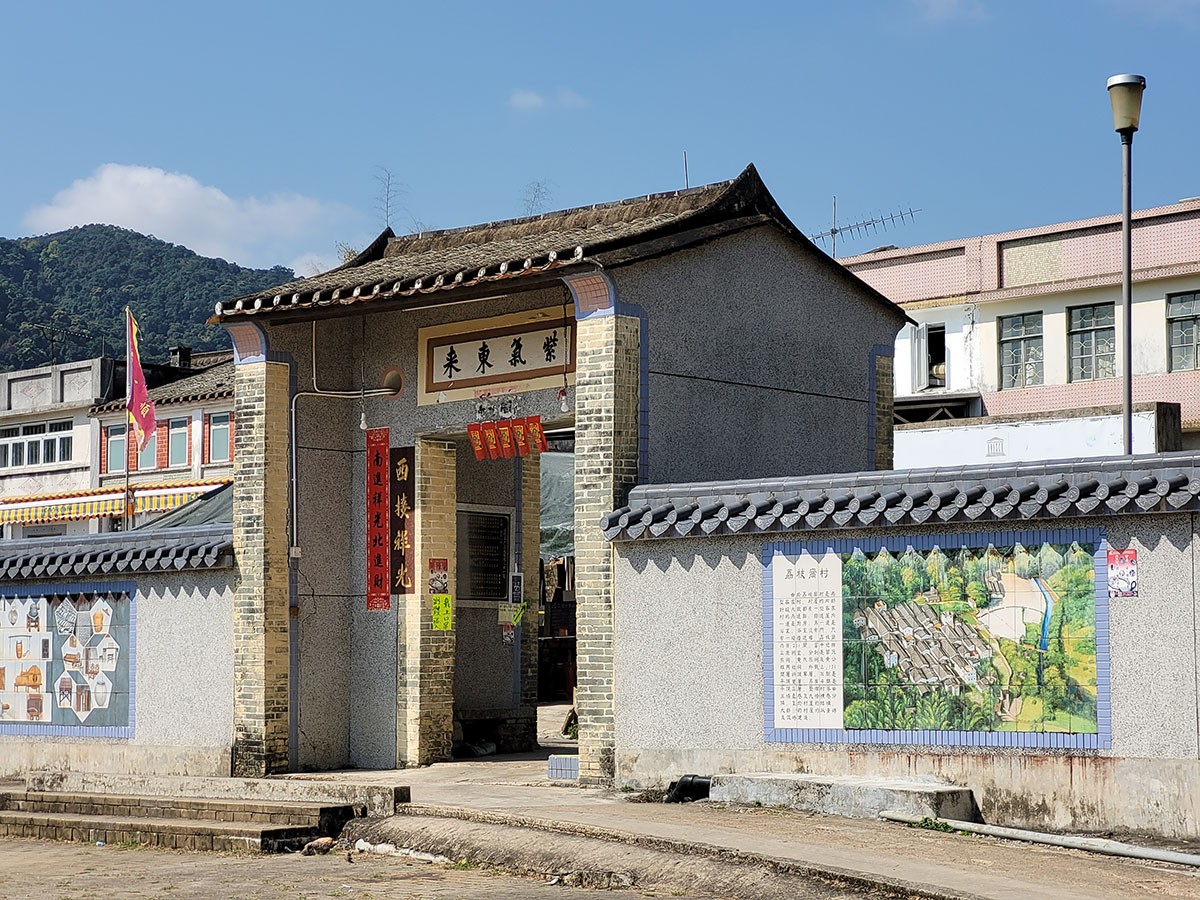
Lai Chi Wo's East and West Gates have withstood over a century of weathering and restoration, yet still retain their original form. Both gates are built of earth, stone, and brick with a tiled roof showcasing Hakka craft. While the East Gate serves as the main entrance, the West Gate holds ritual significance: in the old days, new brides entered here along a 'bride's path', symbolising blessing and continuity. Many villagers still recall this custom lasting well into the 1970s.

Ancient Wells|Witnesses of Daily Life

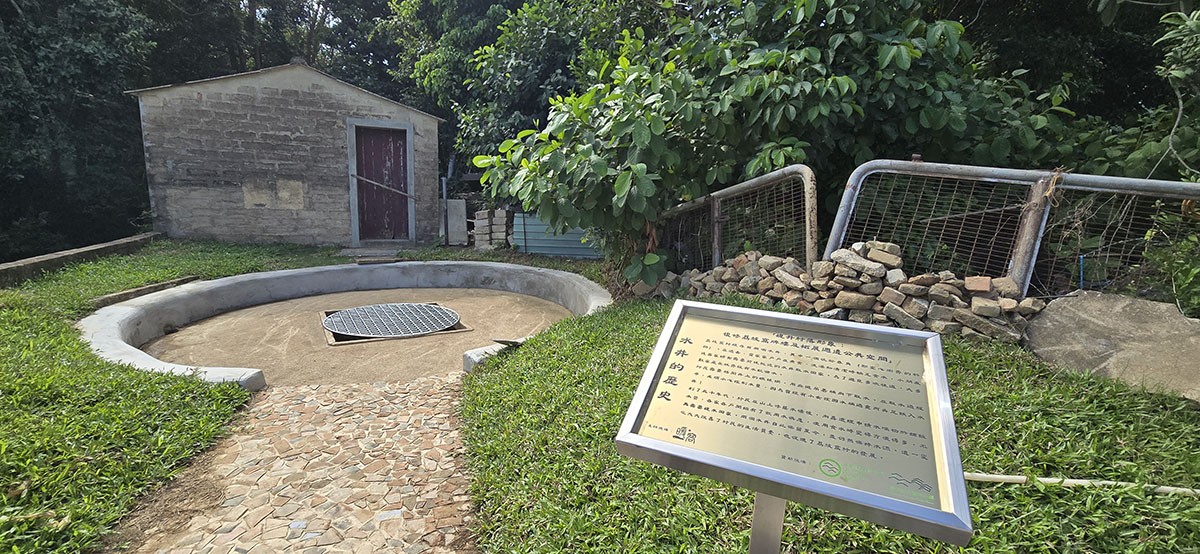
Two ancient wells can still be found in Lai Chi Wo - one at a path connecting East Gate to the fields, and another on the slope next to the Hollow Tree. Villagers fetched water from the water well for all their daily needs. In the 1950s, the villagers built a reservoir on the mountain and laid a network of water pipes. Every household began to have a direct water supply and no longer needed to fetch water from the water wells. Despite the modernisation, the two old wells have been preserved till today and still have water in it.

Lai Chi Wo Story Room|A Living Space for Hakka Culture

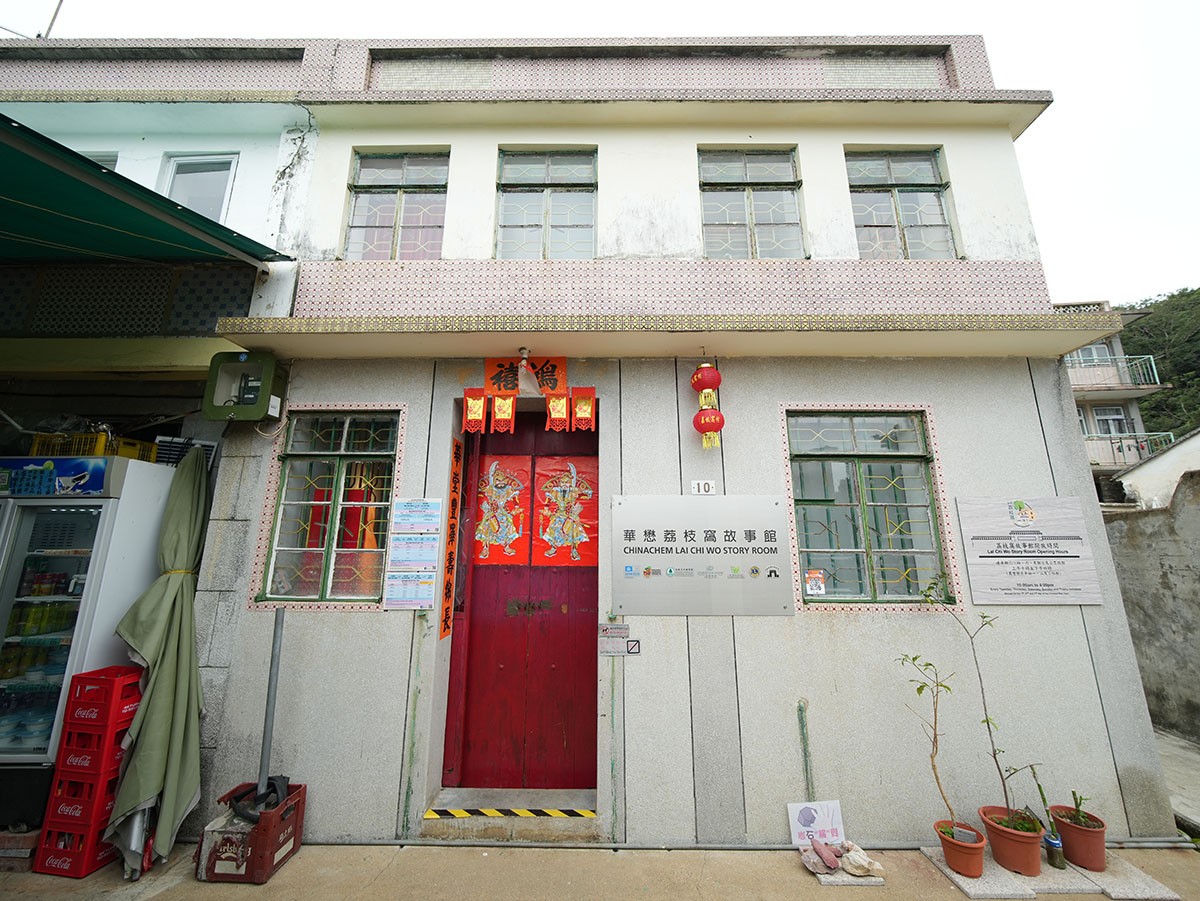
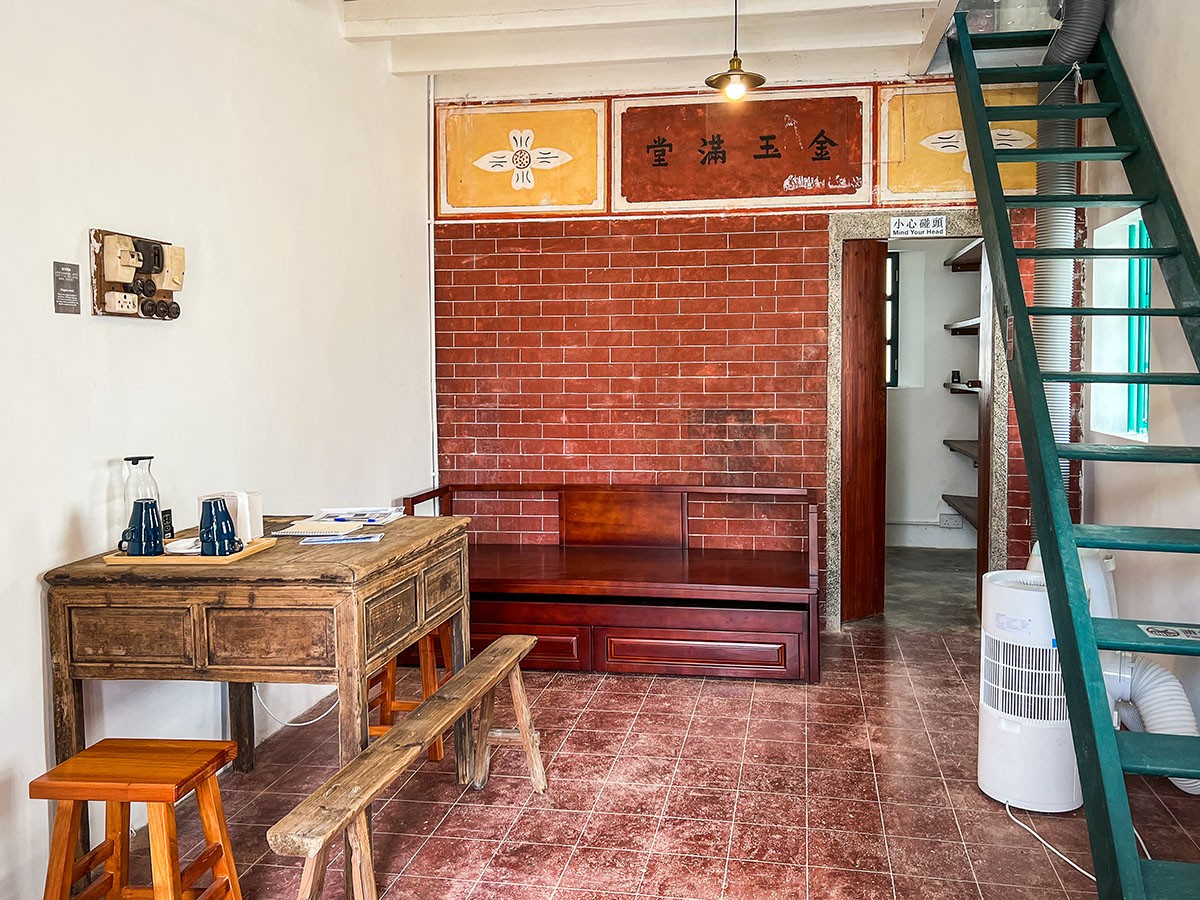
Located in the village, the Lai Chi Wo Story Room showcases oral traditions, marriage rituals, traditional medicine, and music of the Hakka villages. With artefacts and multimedia, it allows visitors a glimpse into the everyday colour of historic Hakka life. Please refer to the Hong Kong Geopark website for the opening hours.

Hakka Life Experience Village|Tradition Meets the Present

The 'Hakka Life Experience Village @ Lai Chi Wo', established through the restoration of village houses, offers not only accommodation but also various cultural experiences such as Hakka crafts and farming. It allows visitors to personally experience authentic history, human connections and vibrant community life in Hong Kong's most well-preserved Hakka village.