Home
Home






Kuk Po
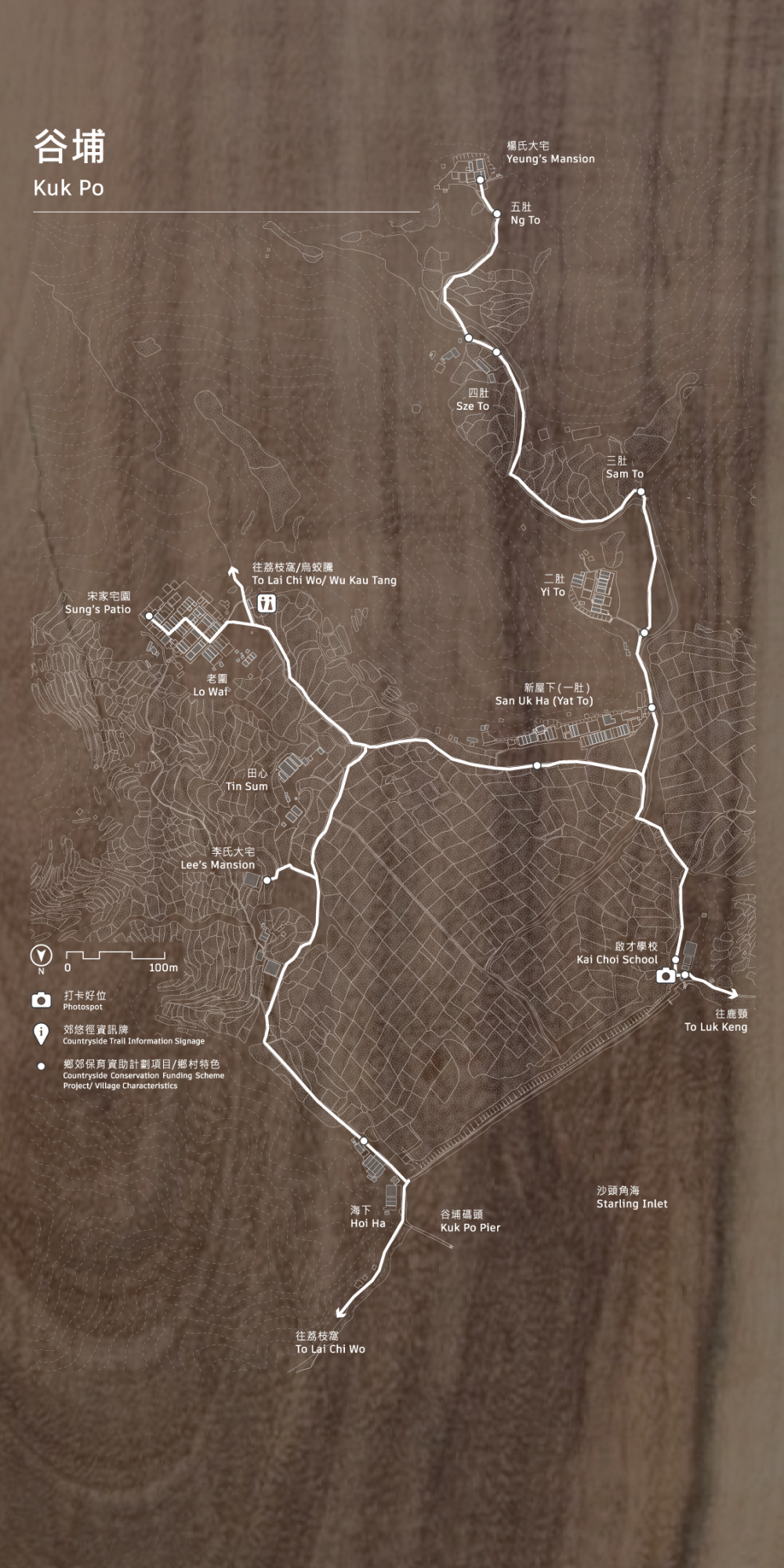
Kuk Po is a Hakka village located in the northeast New Territories, with a history of nearly 400 years. It has been inhabited by several clans since the late Ming and early Qing dynasties, including the Yeung, Sung, Ho, Lee, Cheng, Yau, Ng and Tsang clans, with the Sung clan being the largest group. By the late Qing dynasty, the village had over 500 residents, making it the second-largest village in Sha Tau Kok. Villagers took advantage of the coastal geography and natural resources, reclaiming land from the sea to cultivate rice and vegetables, and building seawalls for fish and shrimp farming, sustaining their livelihoods through farming and fishing. The Kai Choi School, built in the 1930s, along with the Lo Wai, San Uk Ha, Yeung Ancestral Hall, and Lee Ancestral Hall, reflect Kuk Po's clan development and educational spirit.
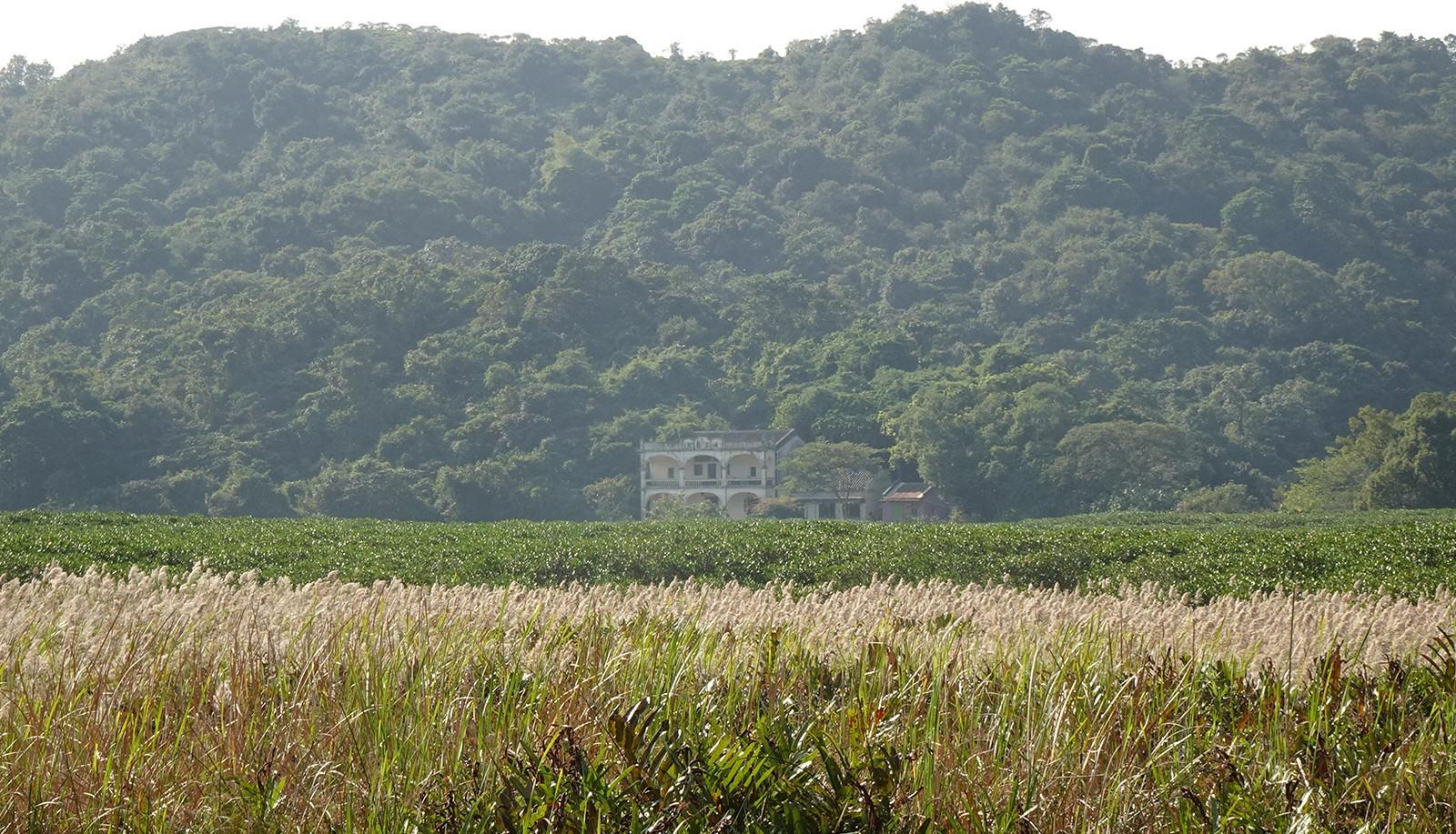
Kuk Po is surrounded by fung shui woodlands and mature forests, which host a variety of trees with conservation value. As villagers moved away, the seaside farmland gradually transformed into brackish marshes, complemented by reed beds, mangroves, intertidal ponds and mudflats, freshwater marshes, and an ecologically significant natural stream. This diverse natural habitat provides shelter for birds, fish, crabs, and various insects. The traditional village architecture blends harmoniously with the natural environment, creating a unique cultural landscape that highlights Kuk Po's significant ecological and cultural value.
In recent years, villagers, the Countryside Conservation Office, and various organisations have worked together to promote the revitalisation of Kuk Po. Supported by the Countryside Conservation Funding Scheme, Kuk Po has launched multiple projects covering Hakka culture, architecture, and multi-disciplinary research. These initiatives have hosted exhibitions, workshops, and guided tours, attracting over 10,000 participants and helping Kuk Po regain vitality through a cultural and ecological revival.