Skip to content

4 Ng To

Signage Content

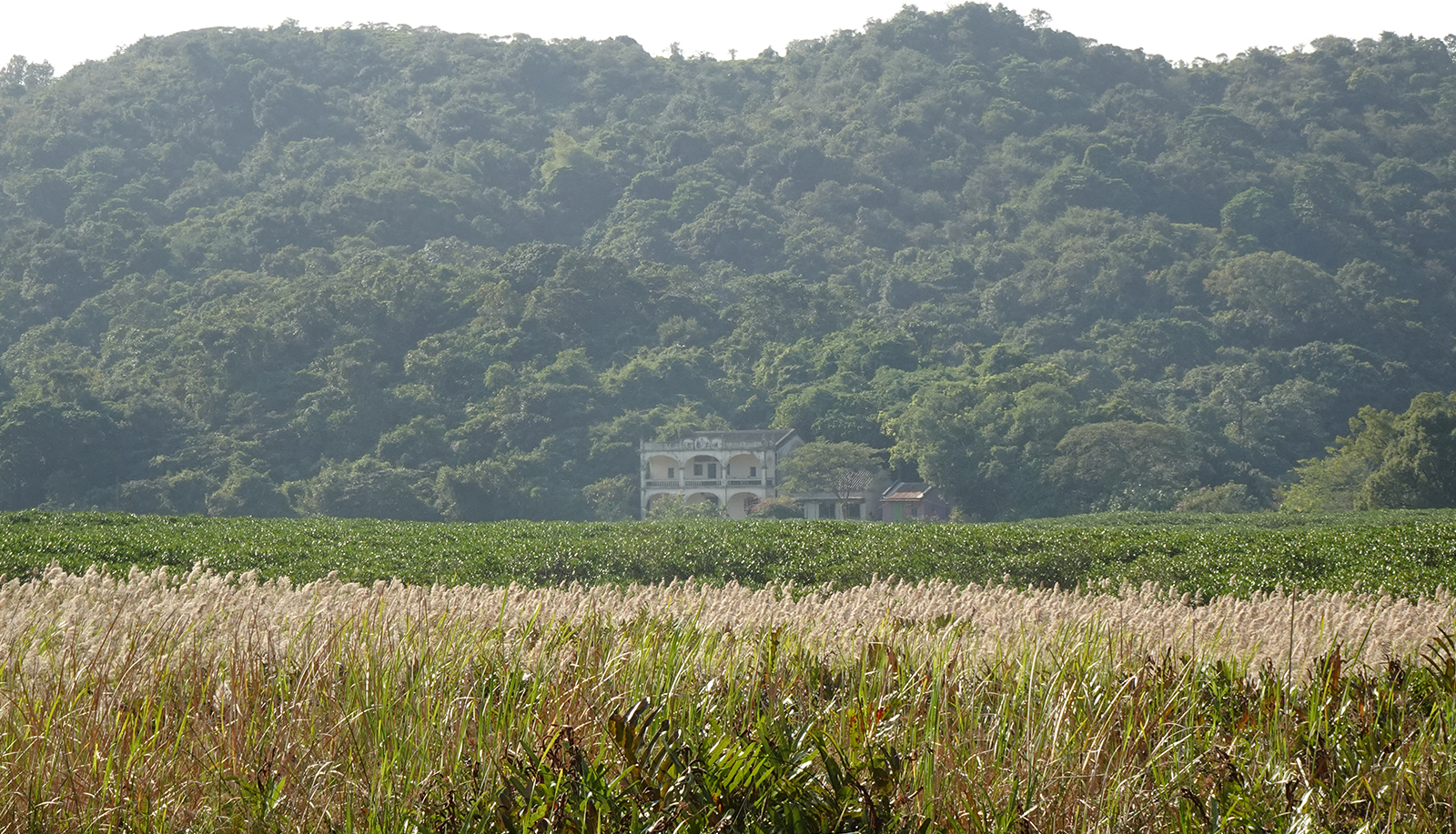
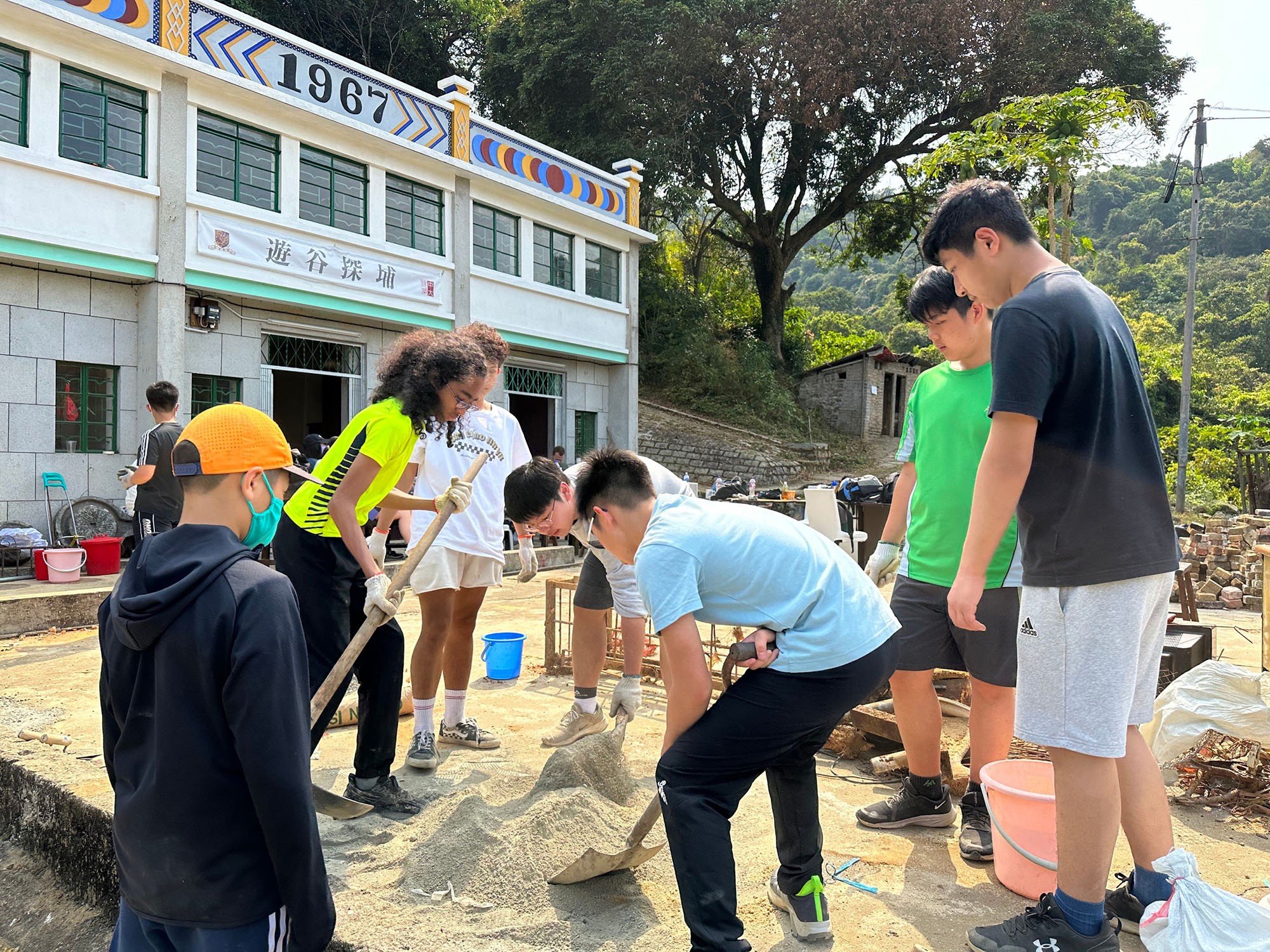
Ng To, the flatland in the deepest mountain valley of Kuk Po, is naturally sheltered by fung shui woodland. After moving from Lo Wai, the Yeung clan built houses here and cultivated terraced fields for pomelos and lemons. As villagers left for work, the houses and orchards slowly fell into disrepair. A project organisation of the Countryside Conservation Funding Scheme has restored a Hakka mansion of over 60 years old here, turning it into a field study base for research and education, inspiring young people to conserve the countryside.

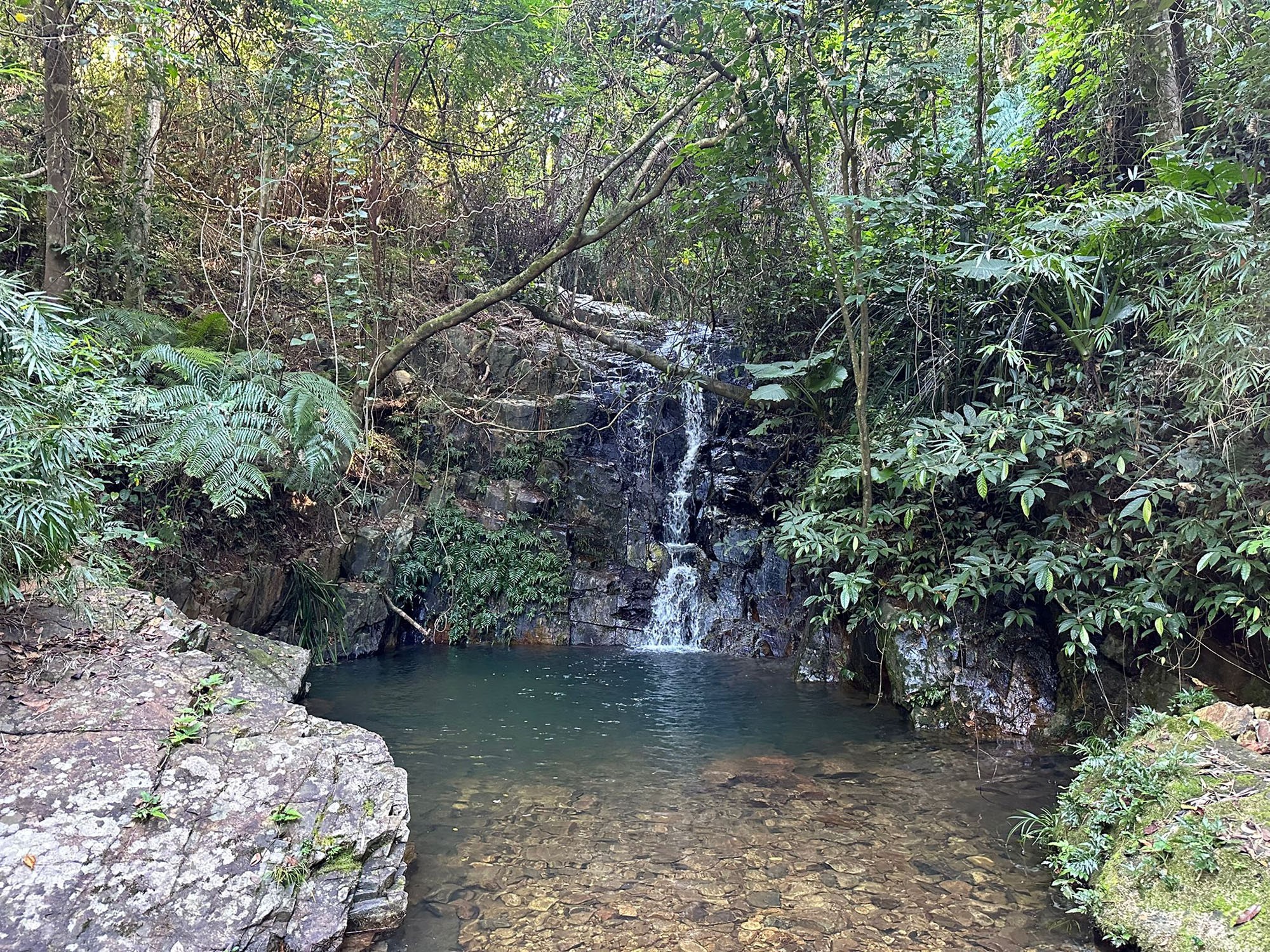
A waterfall in Ng To once attracted many villagers, who came to play and create cherished memories. Flowing year-round, the waterfall is especially vibrant during the summer rains, when its soothing sounds fill the air and bring a peaceful, uplifting atmosphere.

Yeung's Mansion|A Hakka Home Blending East and West

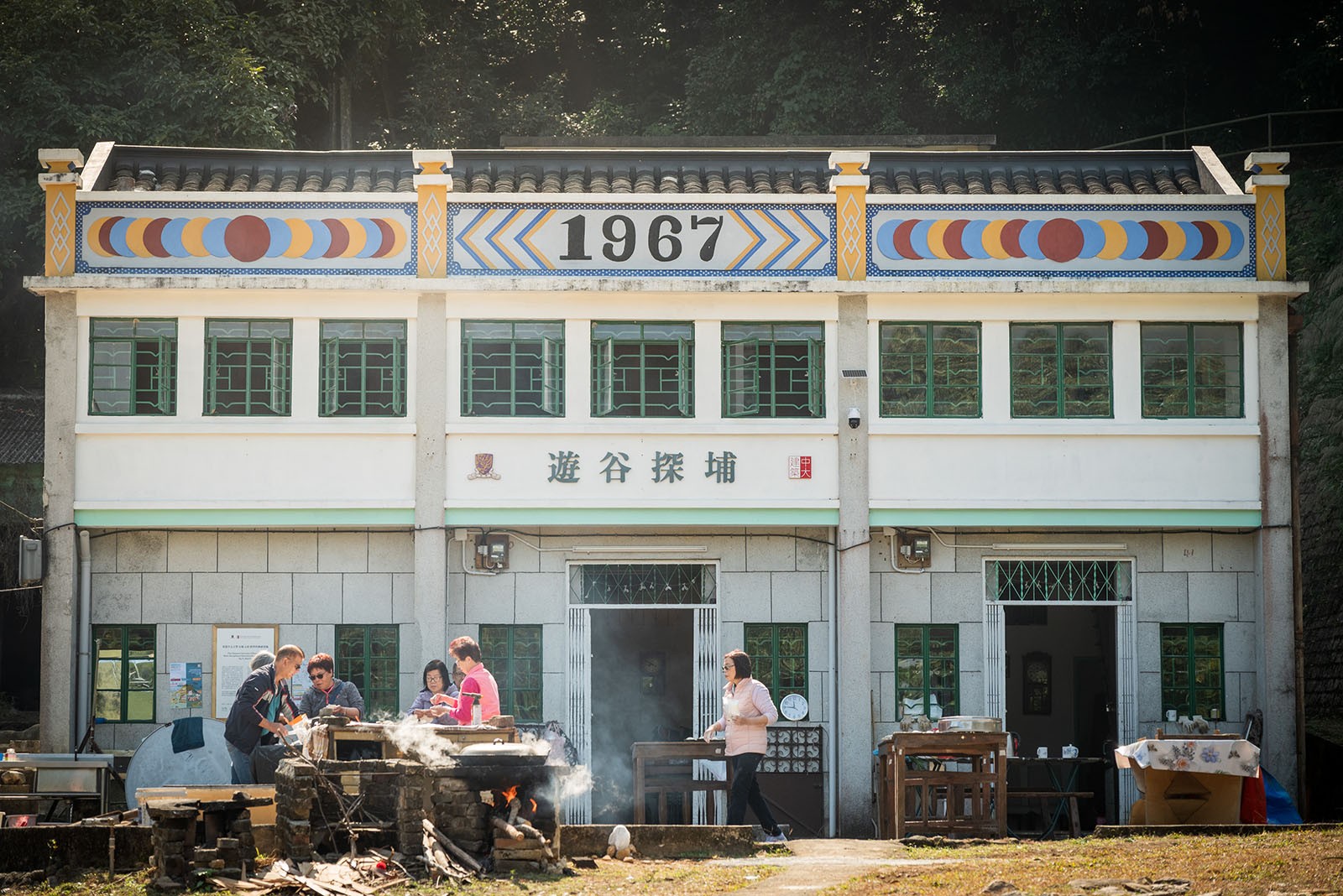
Tucked deep within Kuk Po, Yeung's Mansion is a village house expanded in 1967 by the Yeung couple, who had worked hard in the UK, blending traditional Hakka architecture with Western design. Its grey-tiled roof, ornate eaves, and concrete walls with Shanghai plaster give it a distinctive look. Abandoned for years, it was restored in 2023 by a project organisation supported by the Countryside Conservation Funding Scheme. Today, Yeung's Mansion houses a comprehensive exhibition on Kuk Po's history, culture, architecture, and ecology, serving as a hub for youth to explore rural areas and participate in conservation efforts.

Yeung's Mansion|A Hub for Multi-disciplinary Research and Community Learning

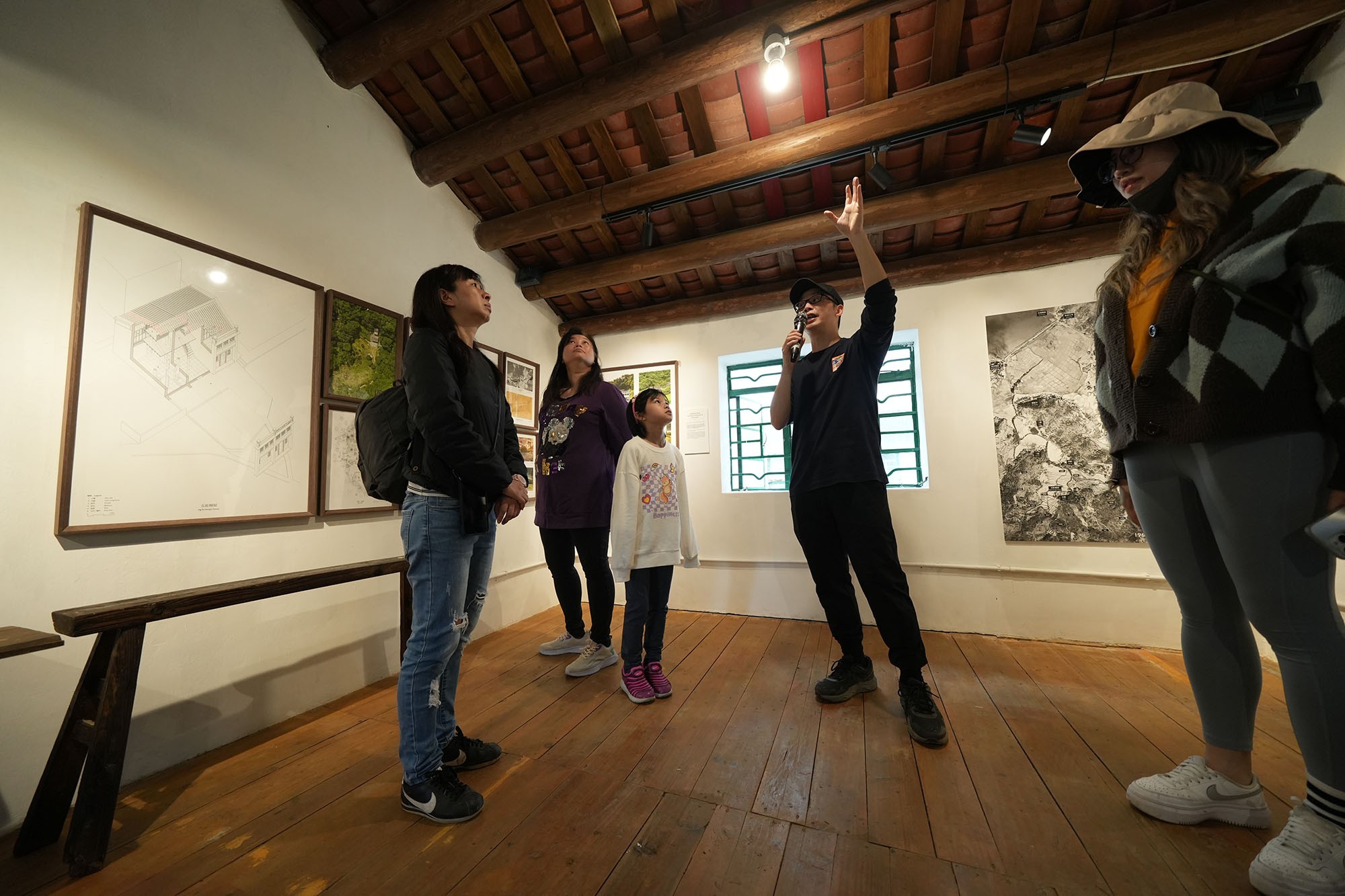
Restored with support from the Countryside Conservation Funding Scheme, Yeung's Mansion in Ng To, Kuk Po now serves as a multi-disciplinary research and education hub. Open since early 2023, it retains traditional Hakka features while linking academic research with community culture. Throughout the project period, the team regularly organised educational tours for primary, secondary, and university students, as well as the general public. Covering topics such as anthropology, agriculture, geography, ecology, culture, and architecture, these tours offered diverse perspectives on Kuk Po's natural and cultural landscape, fostering knowledge exchange and community engagement.

From Valley to Plain |Multi-disciplinary Conservation Research Outcomes

With support from the Countryside Conservation Funding Scheme, the Chinese University of Hong Kong's 'From Valley to Plain' project team conducted multi-disciplinary surveys and action research in Kuk Po, drawing on fields such as geography, ecology, and humanities to trace over 300 years of Hakka settlement history and ecological changes.

The Department of Geography and Resource Management team focused on agriculture, traditional wisdom, and the natural environment, revealing how villagers expanded farmland by constructing dikes to reclaim tidal flats, thereby increasing grain production and demonstrating sustainable human-nature interactions. The School of Life Sciences team conducted ecological surveys, recording over 130 species in the Kuk Po River and surrounding habitats, including butterflies, freshwater fish, and wetland plants, emphasising its role as an 'Ecologically Important Stream' with key ecological functions. The Department of Anthropology team, through oral histories and historical archives, reconstructed the evolution of the Kuk Po settlement since the Qing Dynasty's Great Clearance, including the expansion of clans from Lo Wai to Ng To, the prosperity of the tidal reclamation economy in the 19th century, and the impact of leaving villagers in the 20th century on local architectural styles and community structures.

These integrated studies enable the public to gain a comprehensive understanding of Kuk Po's historical context and its natural and cultural charms.

Ng To Waterfall|A Childhood Haven Revived by the Community

Once a summer playground for villagers, Ng To Waterfall holds fond childhood memories. As people moved away, the pool silted up. In recent years, villagers collaborated over two years to restore it. Former classmates now return to swim and reconnect, reviving community bonds. The rehabilitation of the pool's natural functions stands as a symbol of conservation and reunion.