




Skip to content

7 Hoi Ha

Signage Content

Congratulations on completing the approximately 3 km long Countryside Trail (Kuk Po Section)! We hope today's journey has deepened your understanding on ecology, history, and revitalisation outcomes of Kuk Po. Don't forget to share your amazing photos with friends! Follow the Countryside Conservation Office on social media to keep track of countryside conservation and village revitalisation initiatives. You are cordially invited to explore the Countryside Trail (Lai Chi Wo and Mui Tsz Lam Section), and experience the villages' equally captivating charm!

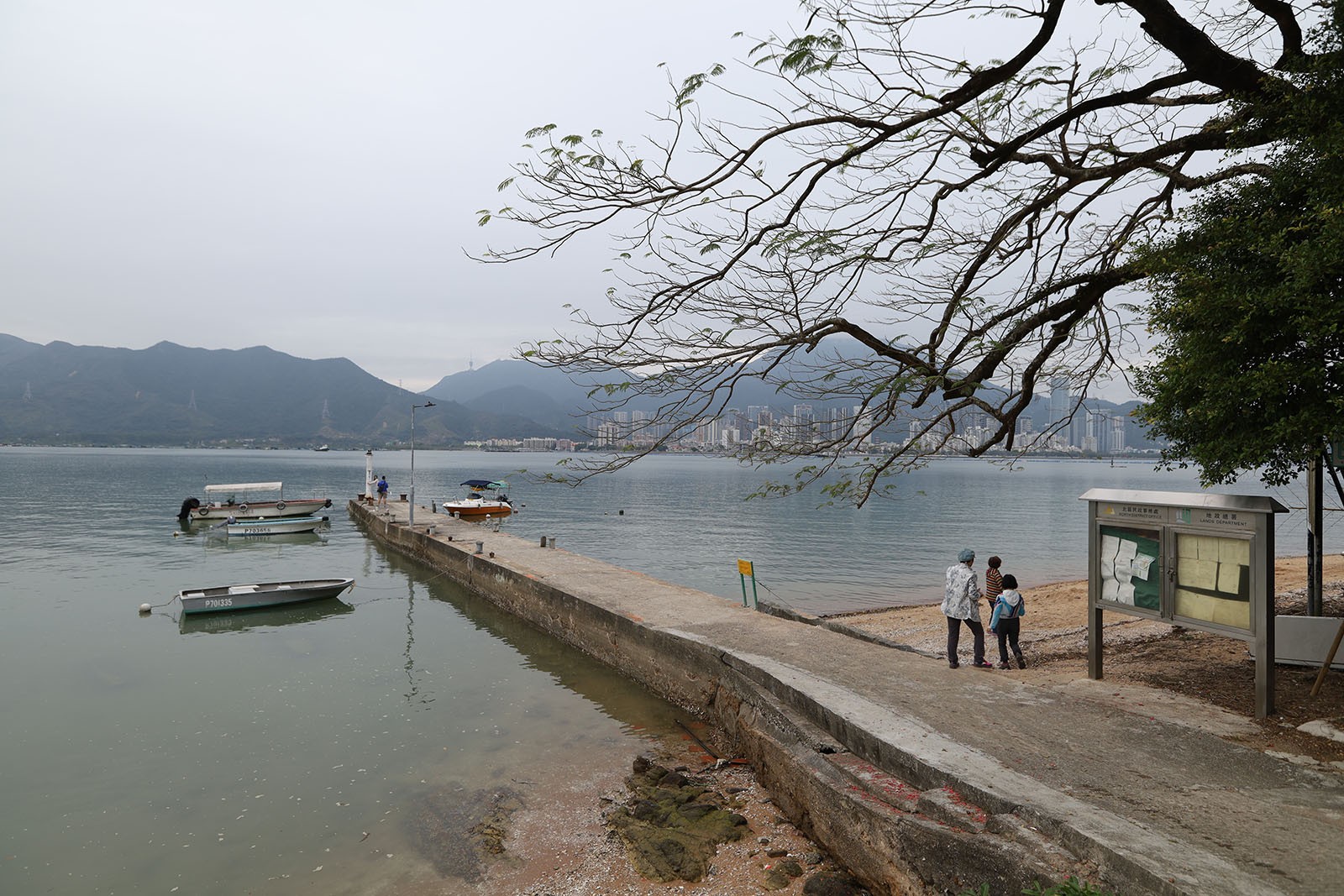
Kuk Po Pier|A Former Transportation Hub

Kuk Po Pier, situated opposite Sha Tau Kok, once served as a vital hub connecting coastal villages by water. Before the construction of Luk Keng Road, villagers often carried farm produce and firewood on their shoulders or backs, walking to the pier to take a ferry to Sha Tau Kok for market trading and daily needs. Although Luk Keng Road now exists, Kuk Po Pier remains the main route for villagers traveling to and from Sha Tau Kok. Visitors planning to travel to Sha Tau Kok via this pier must obtain a Closed Area Permit in advance.
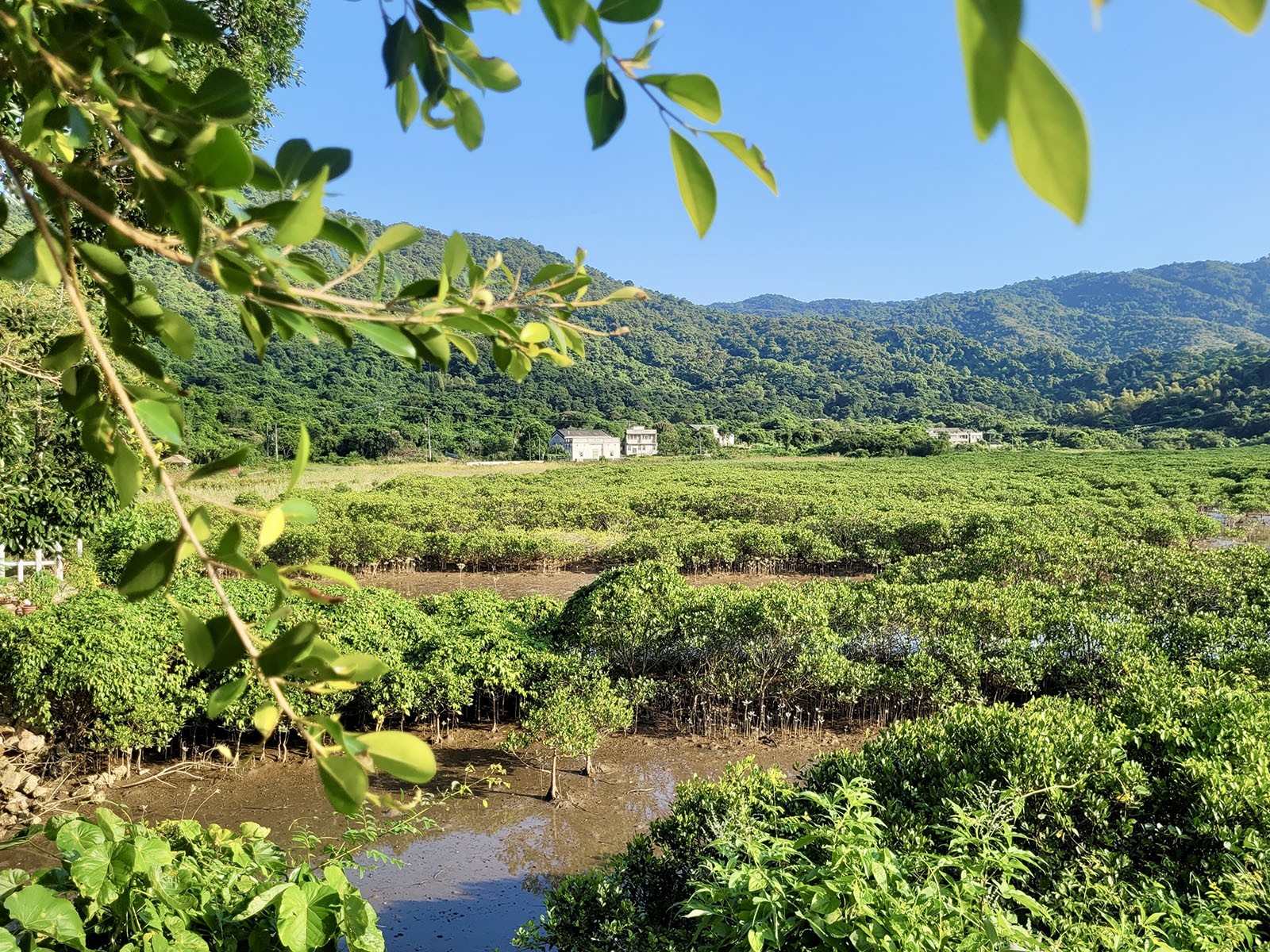
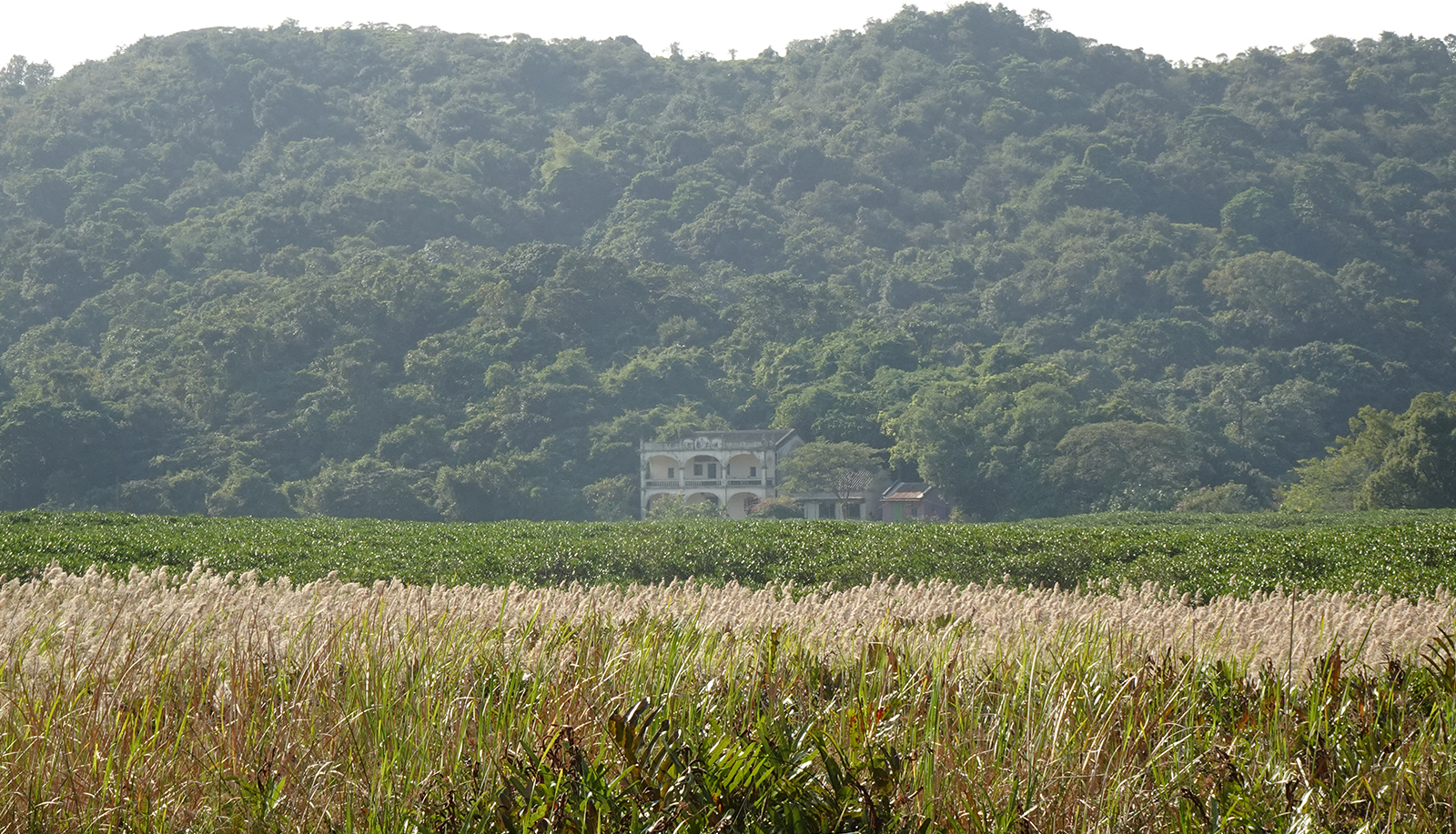
Wetland Ecology|The Unique Natural Landscape of Kuk Po

Since the 1960s, as villagers gradually left, agricultural activities in Kuk Po declined and land use changed. Through natural succession, former farmland has been influenced by brackish water and gradually transformed into another valuable wetland ecosystems, providing a home for mangroves, reeds, egrets, mudskippers, and other species.

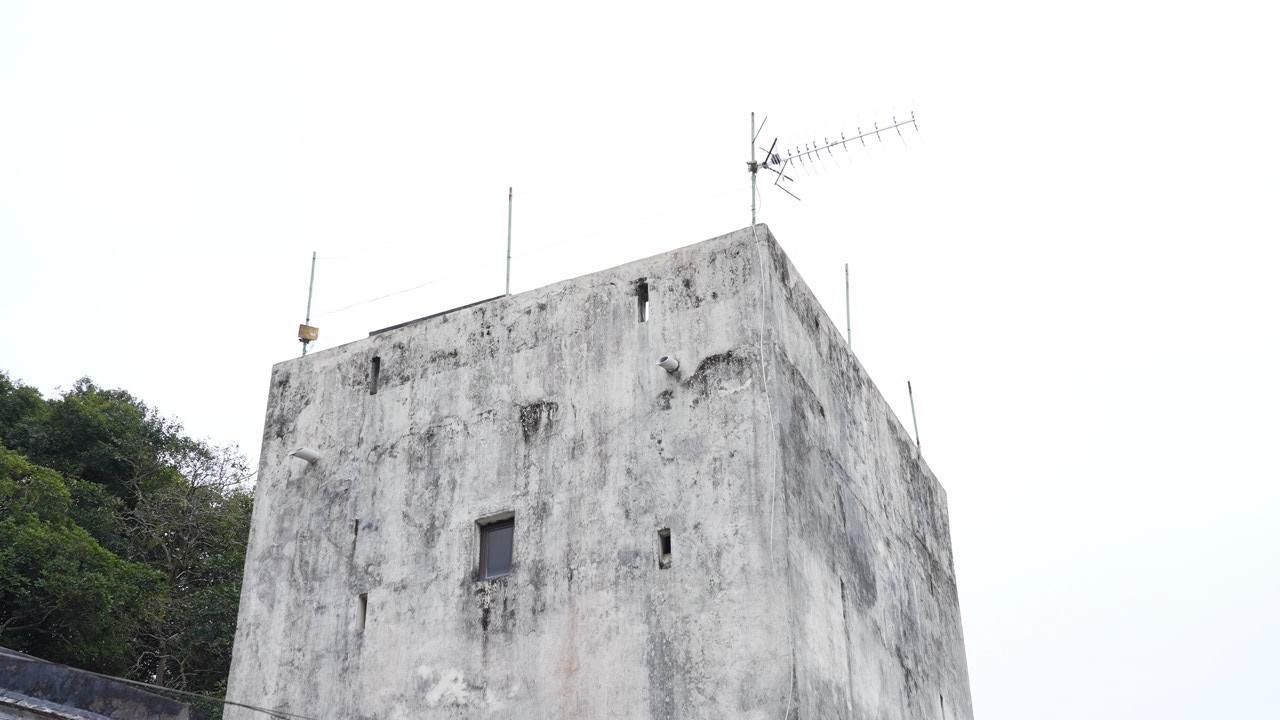
Kuk Po Watchtower|A Historic Witness to Coastal Defense

In the past, the Starling Inlet was frequently threatened by pirate raids. To safeguard the village, a two-story square watchtower was built near Kuk Po Pier as a defensive facility. Villagers stationed inside could monitor the inlet and, upon spotting pirates, fire through the watchtower's firing slits to repel intruders and protect the community.