




Skip to content

3 San Uk Ha (Yat To)

Signage Content

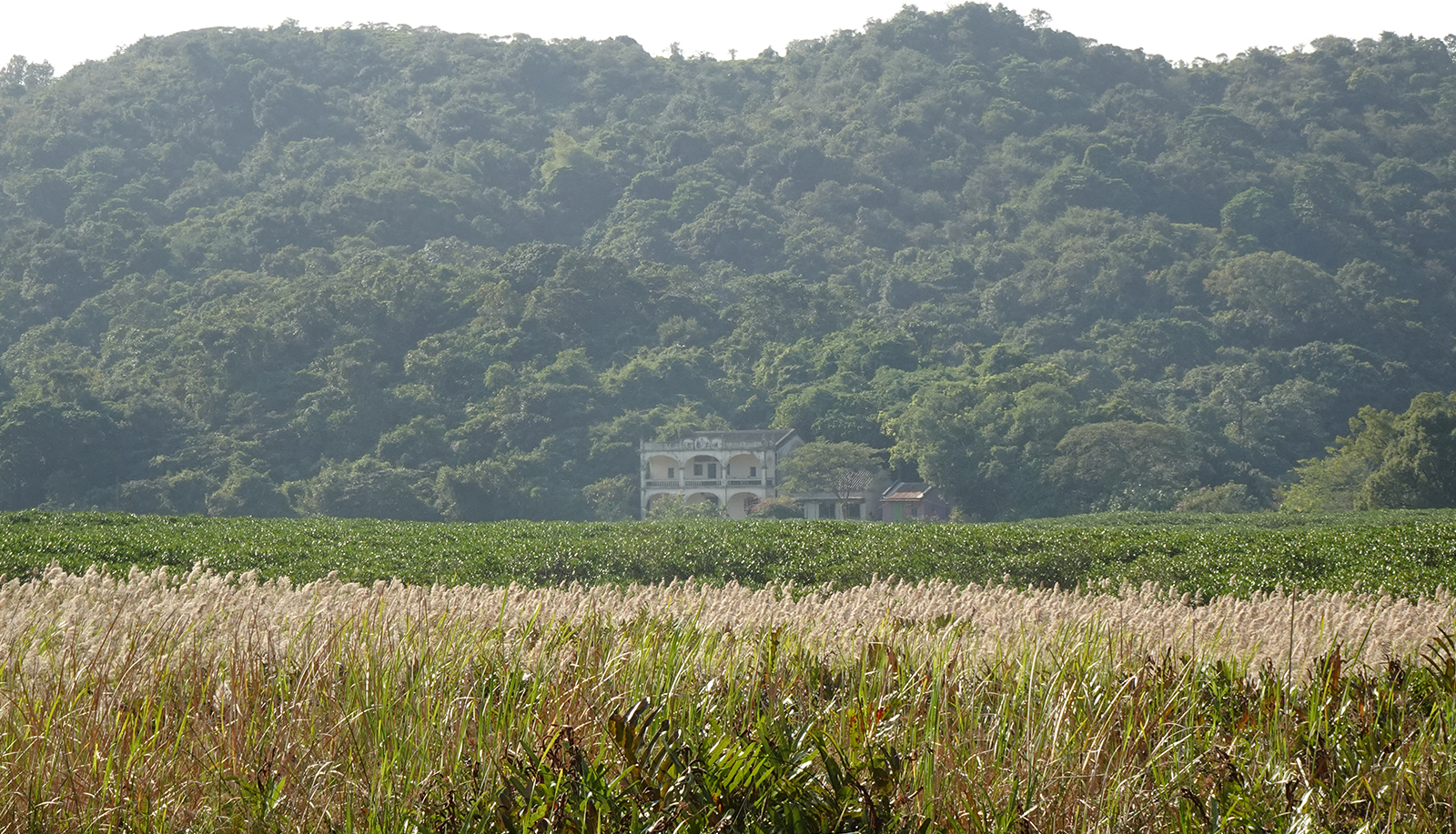
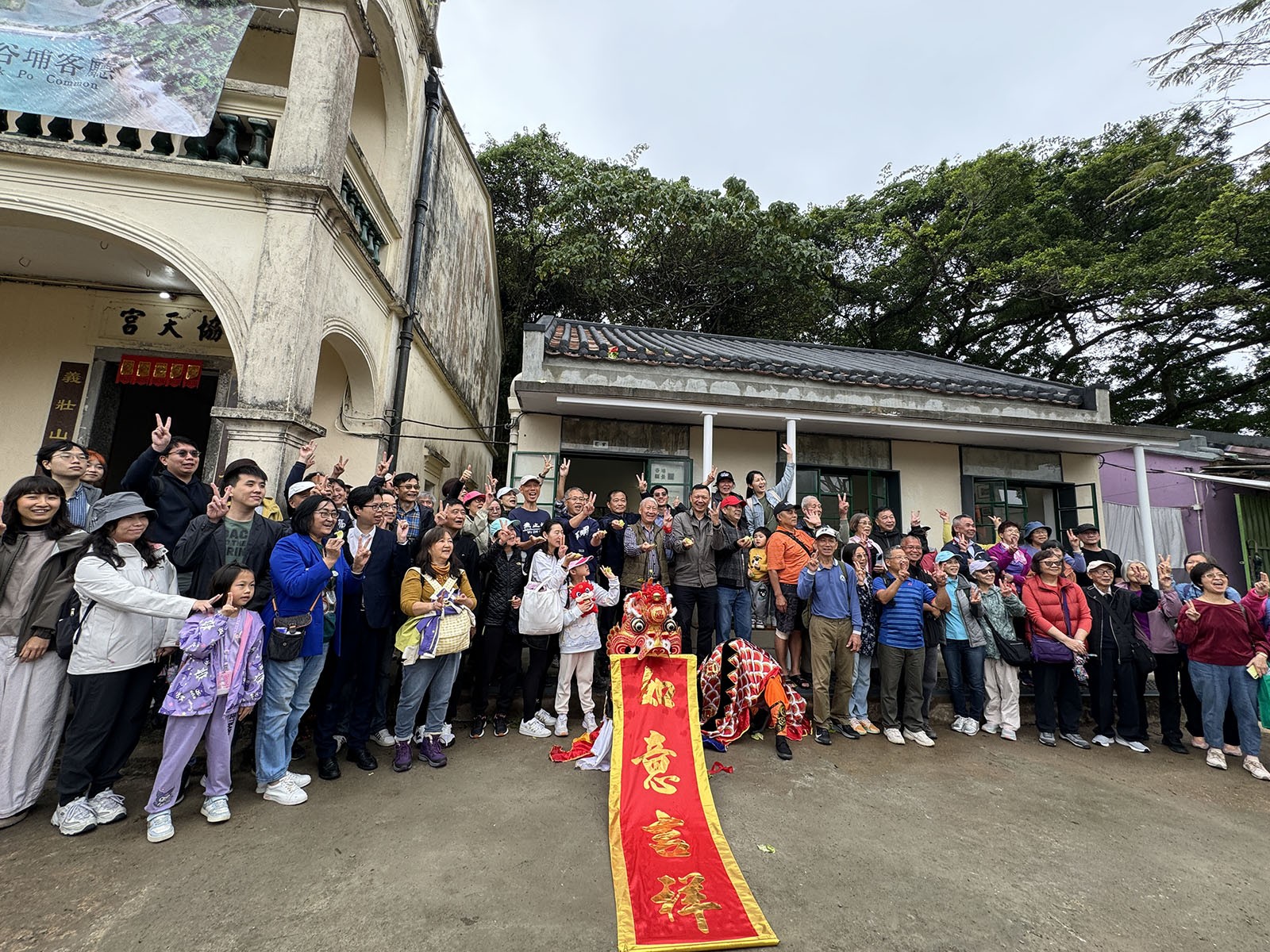
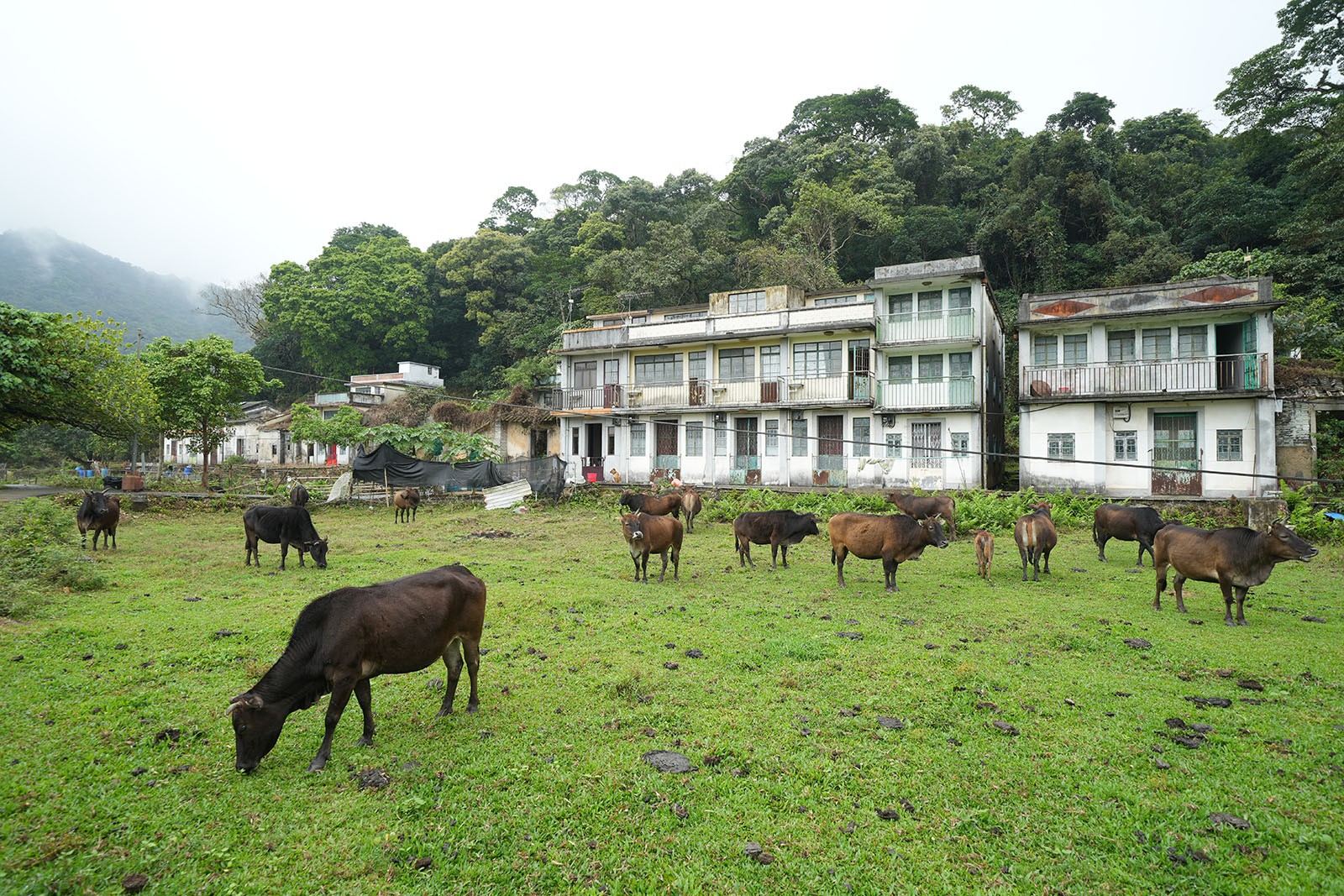
Kuk Po is a multi-clan Hakka village, including the clans of Yeung, Sung, Ho, Lee, Cheng, Yau, Ng and Tsang. The clans first settled in Lo Wai during the late Ming and early Qing dynasties. Due to population growth, the clans gradually expanded to San Uk Ha (Yat To), Yi To, Sam To, Sze To and Ng To. 'Yat', 'Yi', 'Sam', 'Sze' and 'Ng' mean the first, second, third, fourth, and fifth in Chinese. Apart from the clans, brown cattle are also the 'Indigenous Inhabitants' of Kuk Po, used to assist villagers in farming and now roam freely as a herd. Please do not touch, feed or disturb them when you see them.

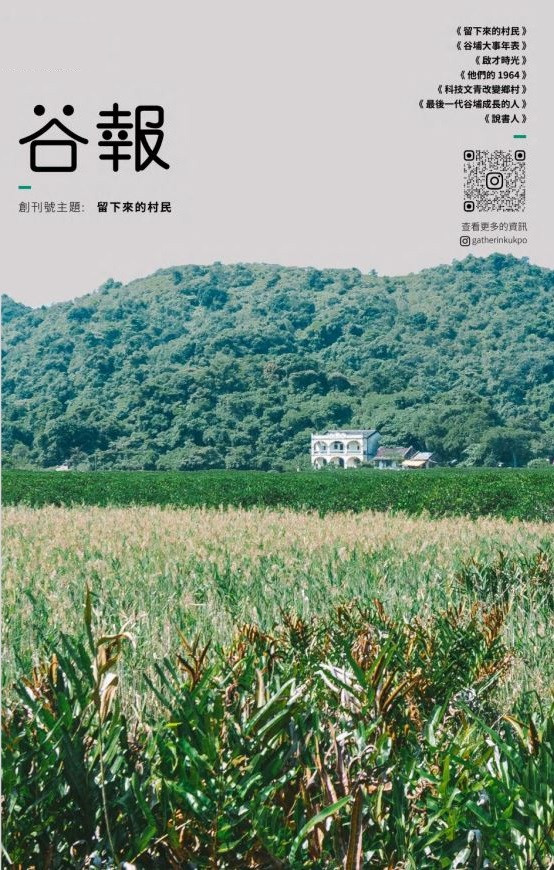
A project organisation of the Countryside Conservation Funding Scheme consolidated oral history from over 150 villagers and published the 'Kuk Post!', to bring back to life the historical journey.

Kuk Po Clans|Shared Roots in a Mountain Village

Kuk Po, a Hakka settlement with nearly 400 years of history, has been home to clans of Yeung, Sung, Ho, Lee, Cheng, Yau, Ng and Tsang since the 17th century. Early settlers built embankments, rice fields, and irrigation systems to sustain village life. By the late Qing dynasty, the population exceeded 500, making it a key rural hub of the northeastern New Territories. Today, ancestral halls and clustered homes are maintained, reflecting Hakka values of kinship and connection to the land.
Kuk Po Place Names|The Meaning of 'To' in Hakka Culture

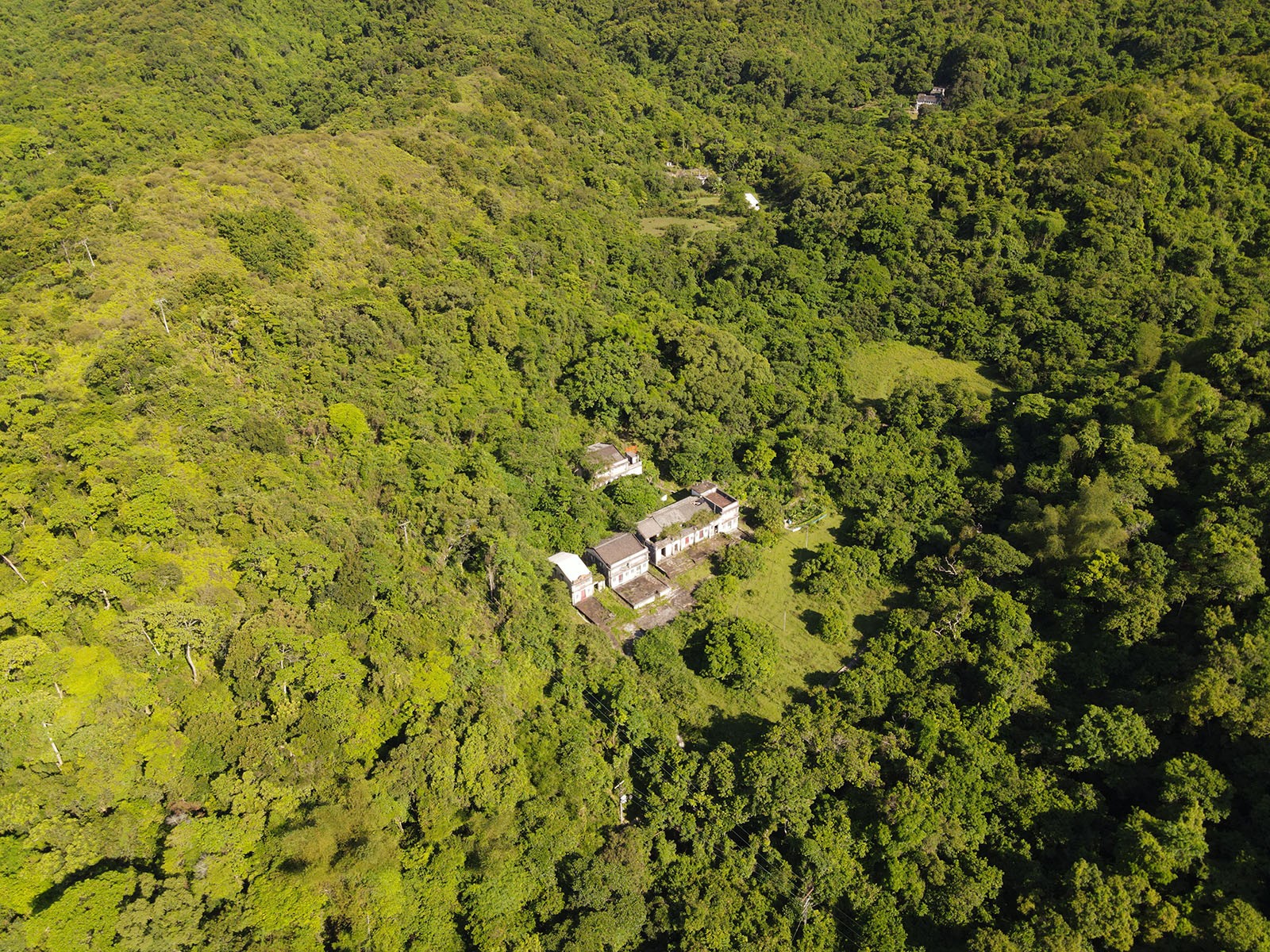
Kuk Po is divided into five segments from east to west: Yat To (San Uk Ha), Yi To, Sam To, Sze To, and Ng To. In Hakka, 'To' (肚) means 'inner' or 'recessed', reflecting terrain and tradition. Ng To lies between Ng To Leng to the south and Starling Inlet to the north, creating a distinctive landscape. These place names are markers of cultural and geographical identity, not merely labels.

Kuk Po Cattle|From Farm Companions to Wild Wanderers

Once essential to village farming, the brown cattle of Kuk Po helped till the fields and shared daily rhythms with villagers. As agriculture declined in the 1960s and 1970s and villagers started leaving the villages, villagers spared the cattle from slaughter, releasing them into the hills and fields. Over time, the cattle have become a living symbol of the enduring bond between people, land, and nature.

Oral Histories|A Century of Village Life Through Local Voices

In 2021, one of the Countryside Conservation Funding Scheme project organisations embarked on an 18-month oral-history initiative in Kuk Po - interviewing local and overseas villagers, collecting stories and photographs, and expanding the village's record from a few hundred words into over 50,000. They published the community magazine 'Kuk Post!' to document the stories and curated urban exhibitions, bringing village memories into the city and reuniting villagers in a shared commitment to cultural preservation.

Ecological Treasure | Biodiversity of Kuk Po

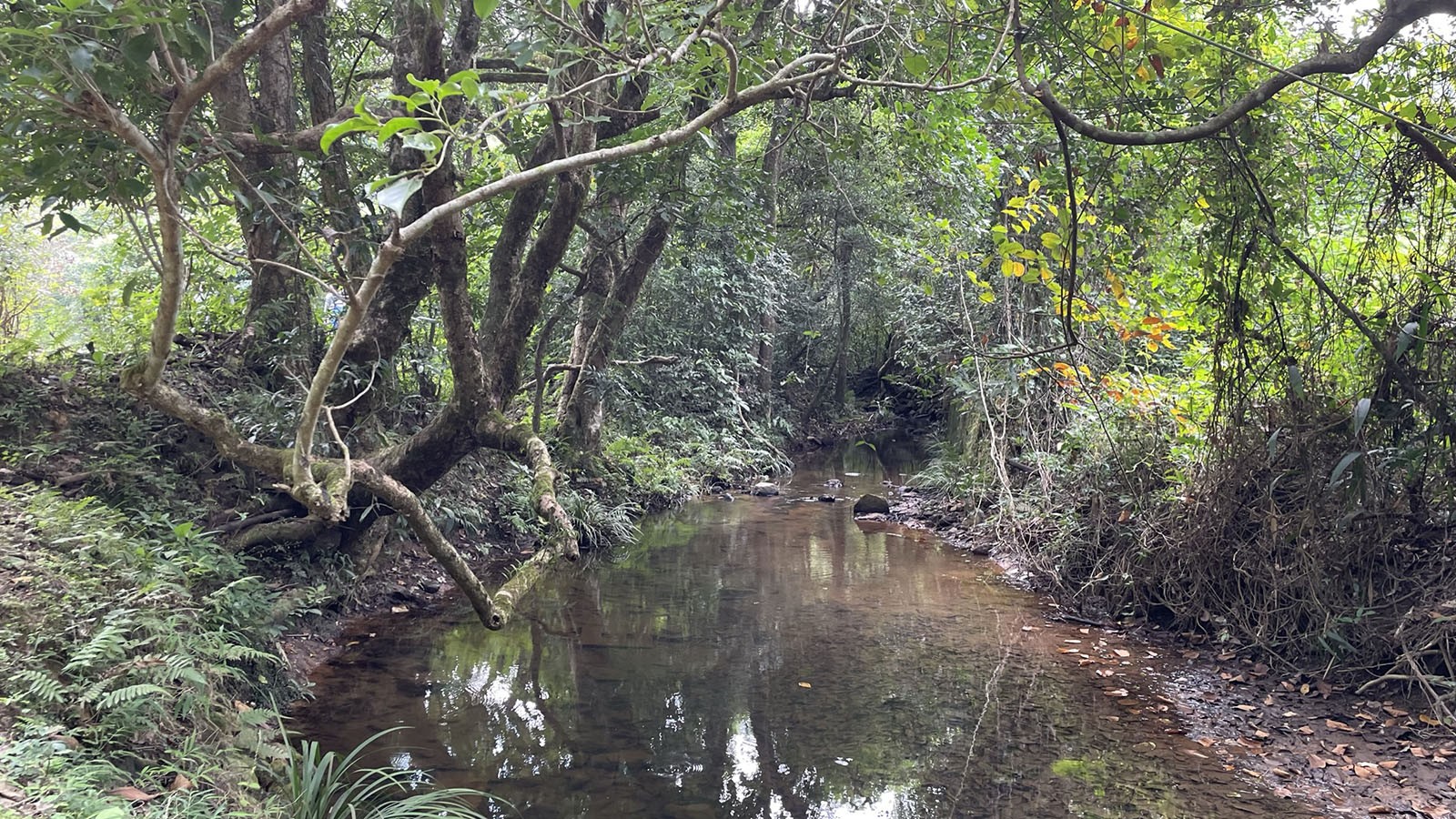
The Kuk Po River stream flows from Ng To to San Uk Ha, and this approximately one-kilometre natural stream has been designated as an 'Ecologically Important Stream (EIS)', providing habitats for a variety of plants and animals. Together with the coastal habitats and the wetland, Kuk Po supports a high diversity of dragonflies and freshwater fishes including the Hong Kong Paradise Fish, Rice Fish and Mangrove Skimmer (dragonfly) which are of conservation significance. The natural woodland and the coastal wetland in Kuk Po also provide a suitable habitat for over 100 species of butterflies including the rare Grey Scrub Hopper.

Water Conservancy in Kuk Po |Traditional Wisdom in Balance with Nature

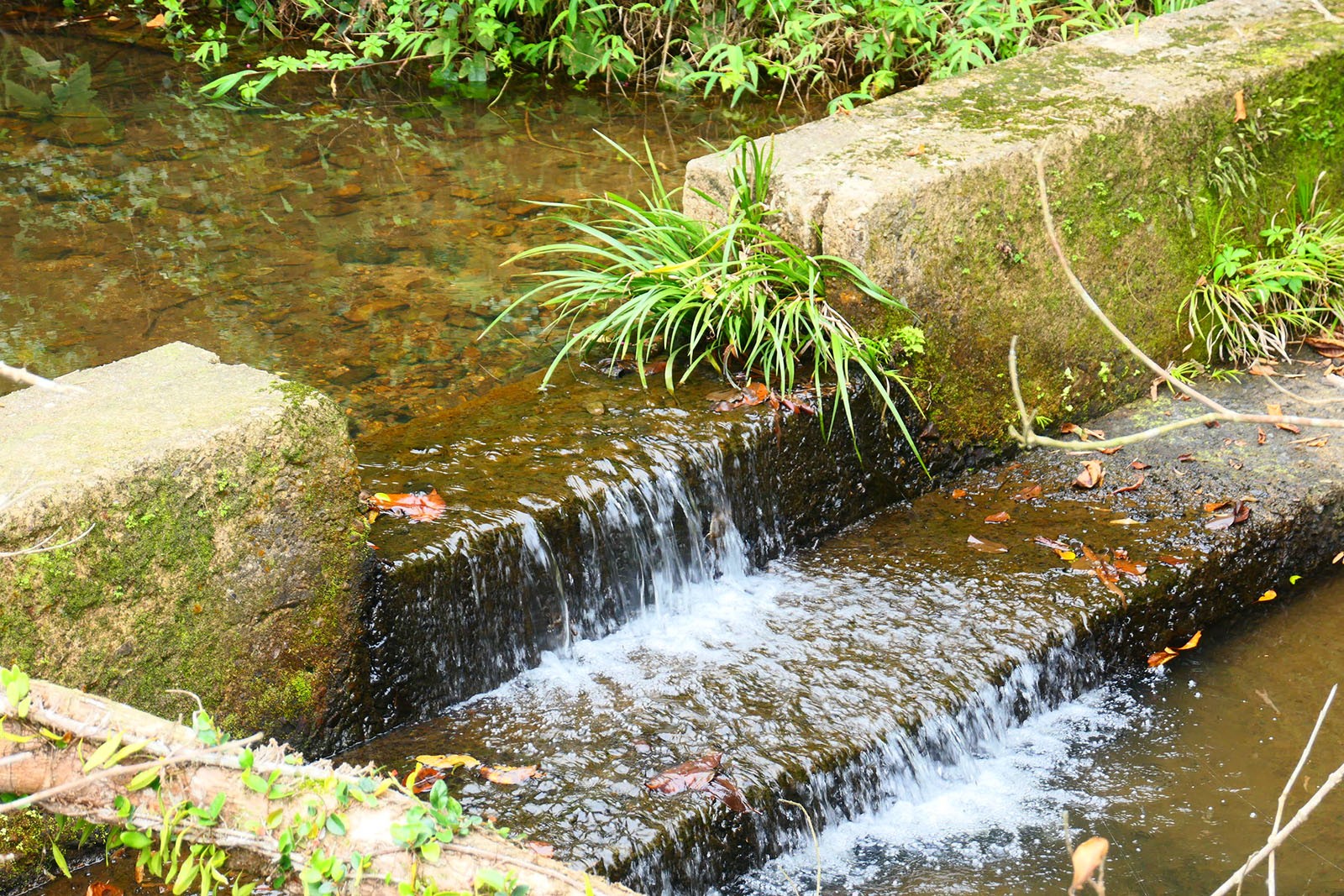
Traversing several village clusters, the Kuk Po River has long provided vital water for terraced farms and agricultural lands. Drawing on generations of knowledge, villagers constructed modest dams, stone embankments and sluices to regulate flow in tune with terrain and seasons. These hidden hydraulic systems reflect the Hakka tradition of living in balance with nature. As you approach Ng To, keep an eye out for the subtle remnants of these waterworks - quiet reminders of rural ingenuity.