 Home
Home






Tap Mun Oral History
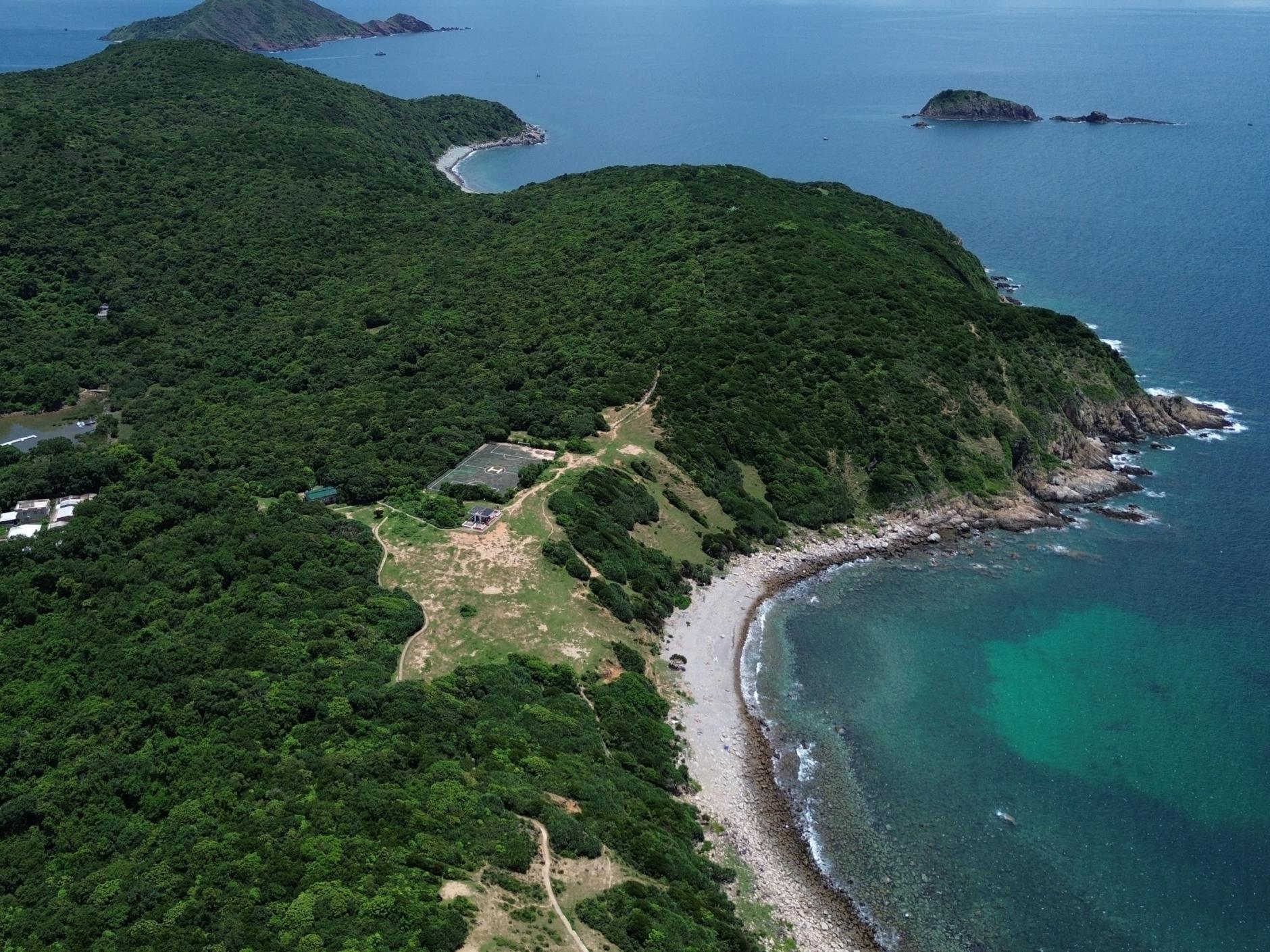

Tap Mun was once a major fishing hub, with over 2,000 residents living there at its peak, relying on fishing for their livelihood. However, as times changed, villagers gradually moved away, and traditional history and customs were lost. In recent years, Tap Mun has become a popular tourist destination, with a surge in visitor numbers exceeding the island's capacity, leading to various environmental issues.
To protect the precious historical and ecological cultural heritage here, the project organisation conducted various surveys (including engaging with local villagers, conducting oral history interviews, and field studies) to gain an in-depth understanding of Tap Mun's history, architecture, traditional culture, and biodiversity, and to document the damage caused by over-tourism to these resources. Based on the survey results and referencing relevant cases from other countries, the project organisation developed the "Conservation Management Plan" for Tap Mun and studied the feasibility of establishing a conservation and education centre, setting short-, mid-, and long-term rehabilitation strategies and goals.
Additionally, the project organisation held various public engagement activities, such as public seminars and press conferences, to share research findings, discuss revitalisation plans for Tap Mun, and promote the message of nature conservation.
HK$2,988,200
01/04/2022-31/03/2025
.jpg)

1 | Kaito Ferry |
• Take Kaito Ferry from Ma Liu Shui Pier to Tap Mun
• Take Kaito Ferry from Wong Shek Pier to Tap Mun
The project was completed on 31 March 2025.
The project organisation conducted a comprehensive study of Tap Mun's historical, cultural, and ecological significance. As a whole, the project organisation conducted oral history interviews with local villagers, prepared an ecological report based on ecological surveys, and compiled a heritage report derived from heritage surveys. In addition, studies examining anthropogenic influences and the feasibility of establishing an education centre on the island were completed. Collectively, these study findings provided the basis for the formulation of holistic implementation strategies, addressing Tap Mun's conservation needs from anthropogenic, cultural, historical, and ecological perspectives. These efforts were consolidated into a comprehensive conservation management plan which outlined short-, medium-, and long-term strategies for the sustainable conservation and revitalisation of Tap Mun.
Throughout the project period, the organisation undertook a range of initiatives to promote public awareness of the island's historical and ecological values. An eBook was published and distributed to over 300 schools across Hong Kong, and was also well-received online with garnering more than 10,000 views on Facebook. Complementing this was a series of videos showcasing Tap Mun's natural and cultural heritage, which attracted more than 20,000 views. To further engage the public, a number of educational and engagement events were held, including guided tours, the Tap Mun Tern Festival, and public forums that highlighted the island's ongoing challenges due to over-tourism and called for public support for sustainable development. These activities recorded over 2,300 participants, reflecting strong public interest and engagement with the project's objectives.


