Home
Home






Utensils | Traditional Uses of Rural Plants
Karnikar
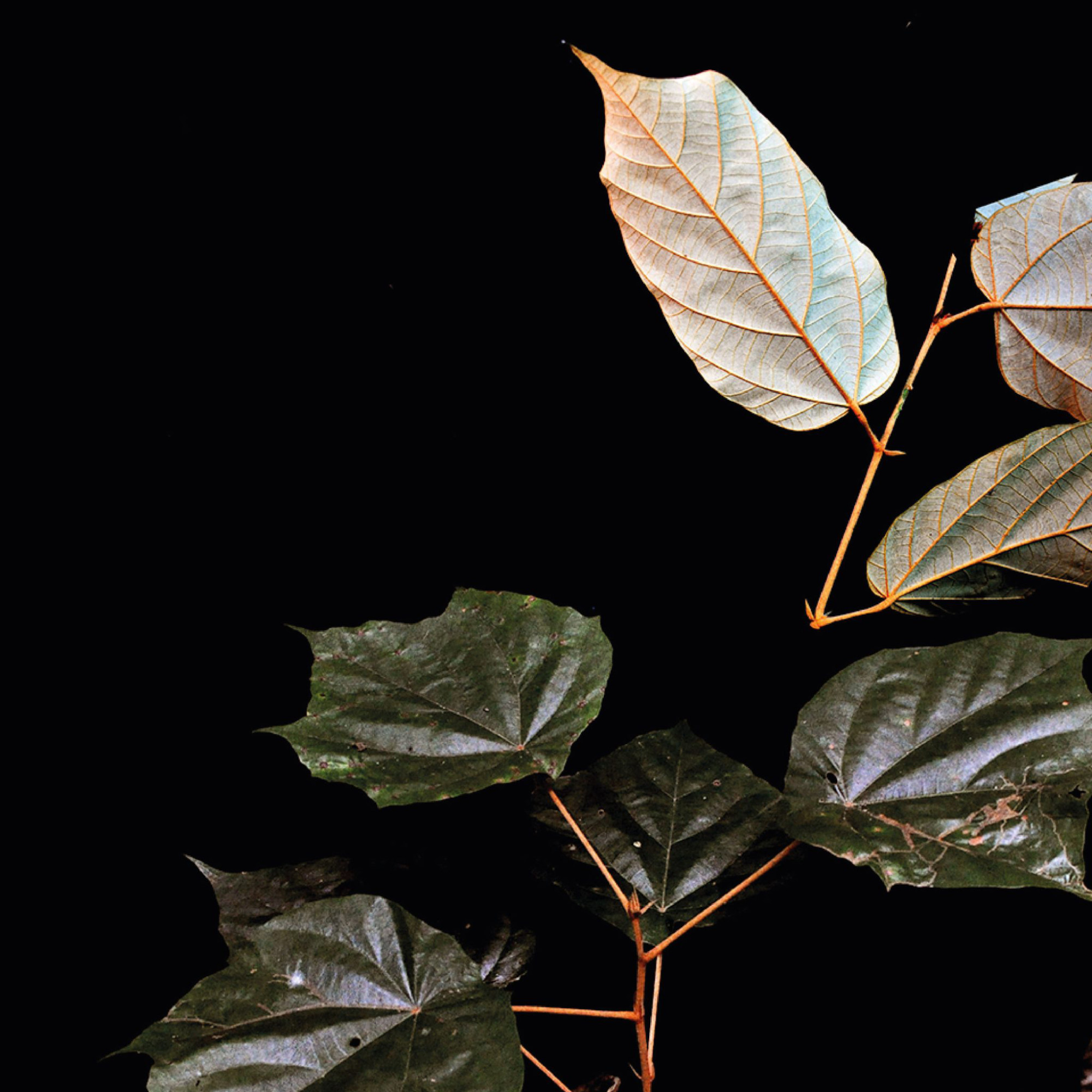
The leaves come in various shapes, with margins divided into several lobes, sometimes resembling maple leaves and sometimes lotus leaves, and the two sides differ in colour. When steaming rice cakes, these leaves are placed on top of flaccid conehead leaves so that the double layer prevents the rice batter from leaking. Once cooked, the leaves release an aroma similar to that of lotus leaves.
Wild Coffee
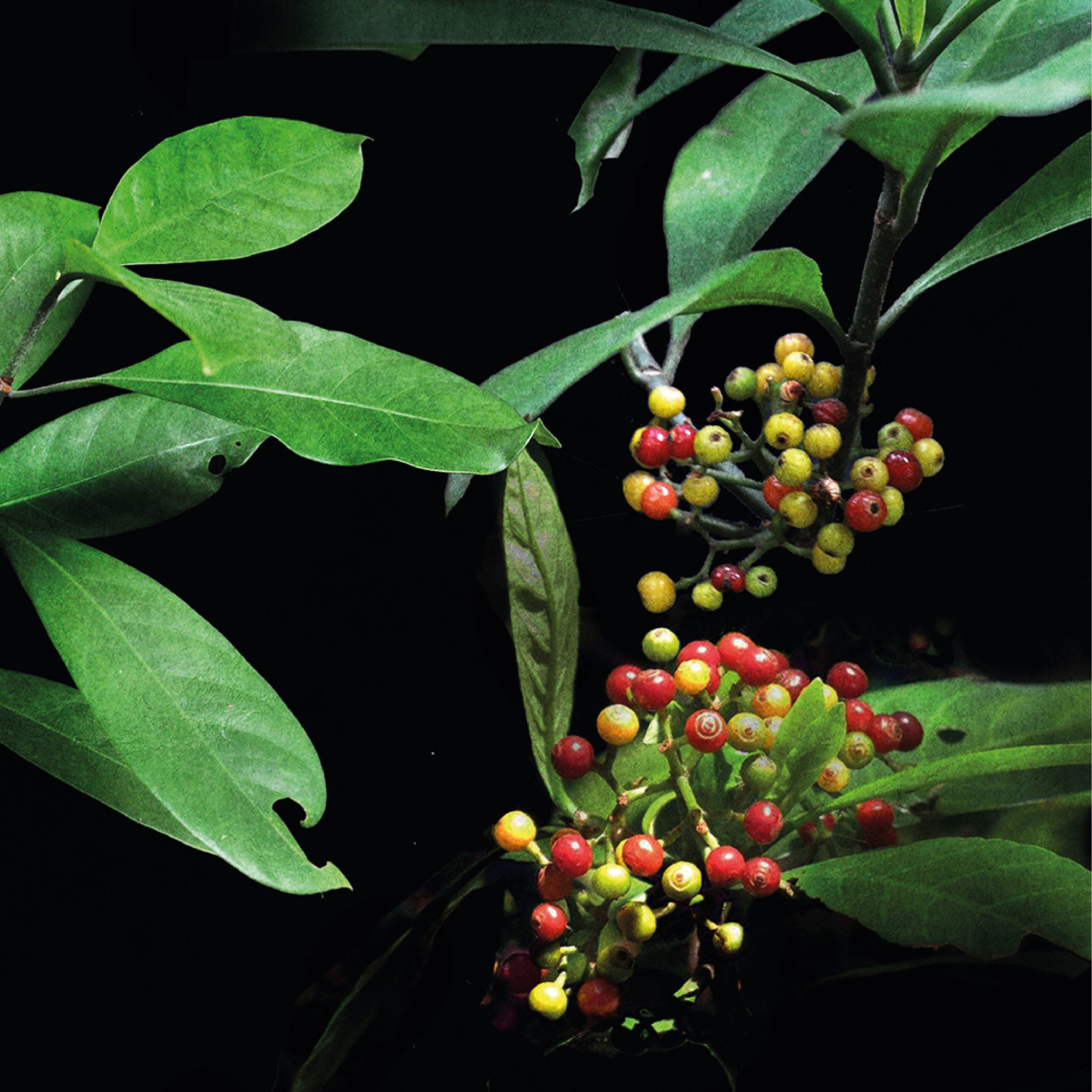
Like the butter paper used for Hakka Cha Kwo, the prepared batter is placed on the leaves of this plant for steaming. Its branches feature multiple prominent nodes, which is why it is also called "Nine Nodes". The fruit ripens toward the end of the year, turning red. Though it resembles a coffee bean, it is actually an evergreen native shrub of Hong Kong, commonly found in villages and feng shui woods. It is extremely shade-tolerant and thrives in forest undergrowth.
Wax Tree
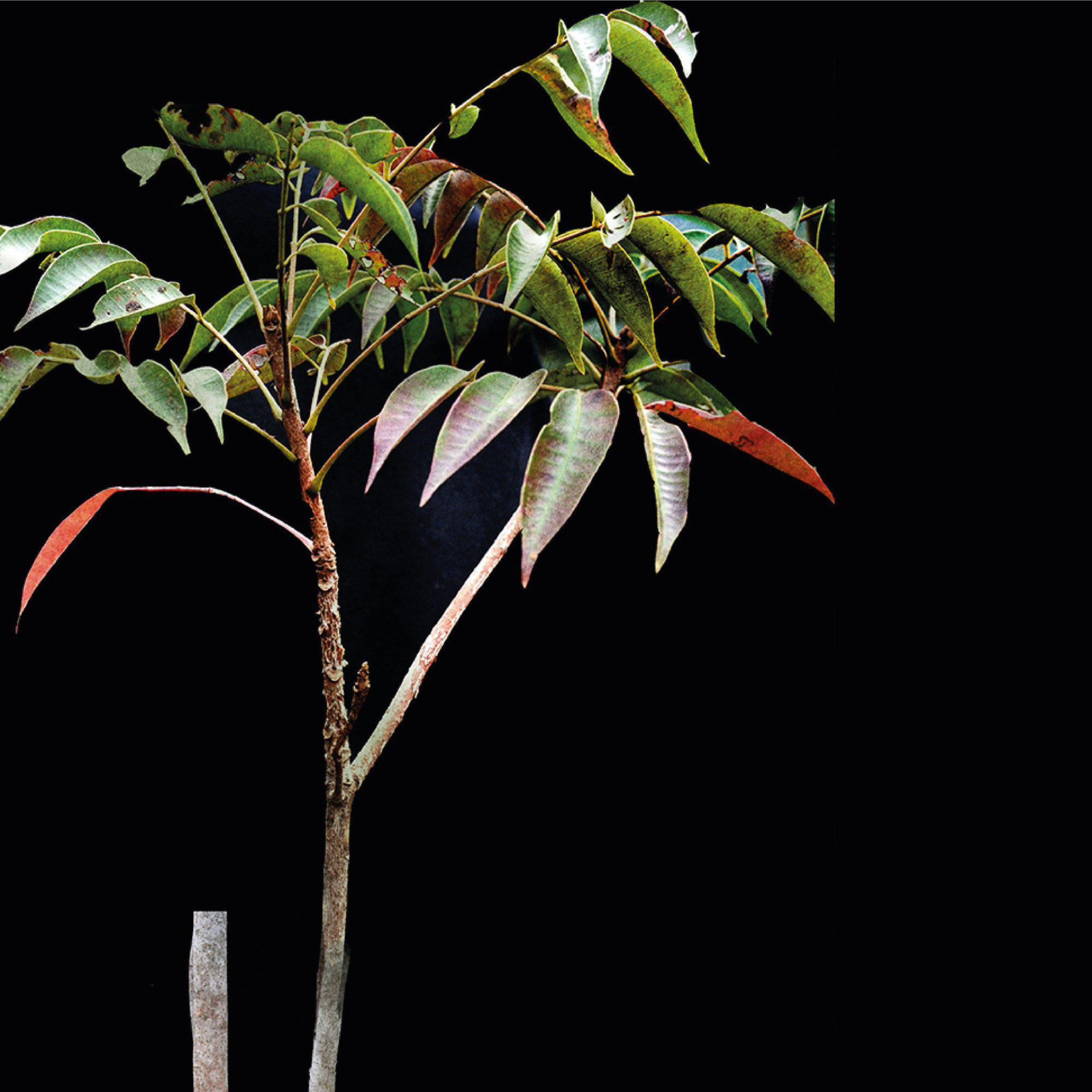
Water in raw lacquer evaporates quickly over the summer months due to abundant sunlight and little rain, therefore summer is the best time for tapping, collecting, straining, and sun-drying lacquer. According to volunteers, lacquer making is a laborious process, and each Wax Tree produces only about one pound of lacquer per year. Raw lacquer is mixed with white clay to form vessels, preserving ancient techniques. In autumn, as the leaves turn red, the tree's sap may cause skin irritation and should not be touched.