Home
Home






Stone Tablets of New Territories Villages
If you're interested in the history of Hong Kong's villages, learning about the most common textual artifacts found in the countryside—stone tablets—should add a fascinating layer to your exploration.
Types of village stone tablets
Village stone tablets served a variety of purposes and can generally be categorized into the following types:
1. To record the crowd-funded common infrastructure, such as paths, bridges, schools and temples, which reflect the community network
2. To record clan donations for ancestral hall renovations, which reflect the status of the clan
3. To record Arbitration rulings, which reflect the social context at that time
4. To demarcate lot boundary and directions
The most common type of stone tablets is the first type. Villagers of the past treats donation as a method to make merit. When one has made merit, one has to leave evidence for it. Another function of the stone tablet is act as a form of report on the spendings of the donation committee.
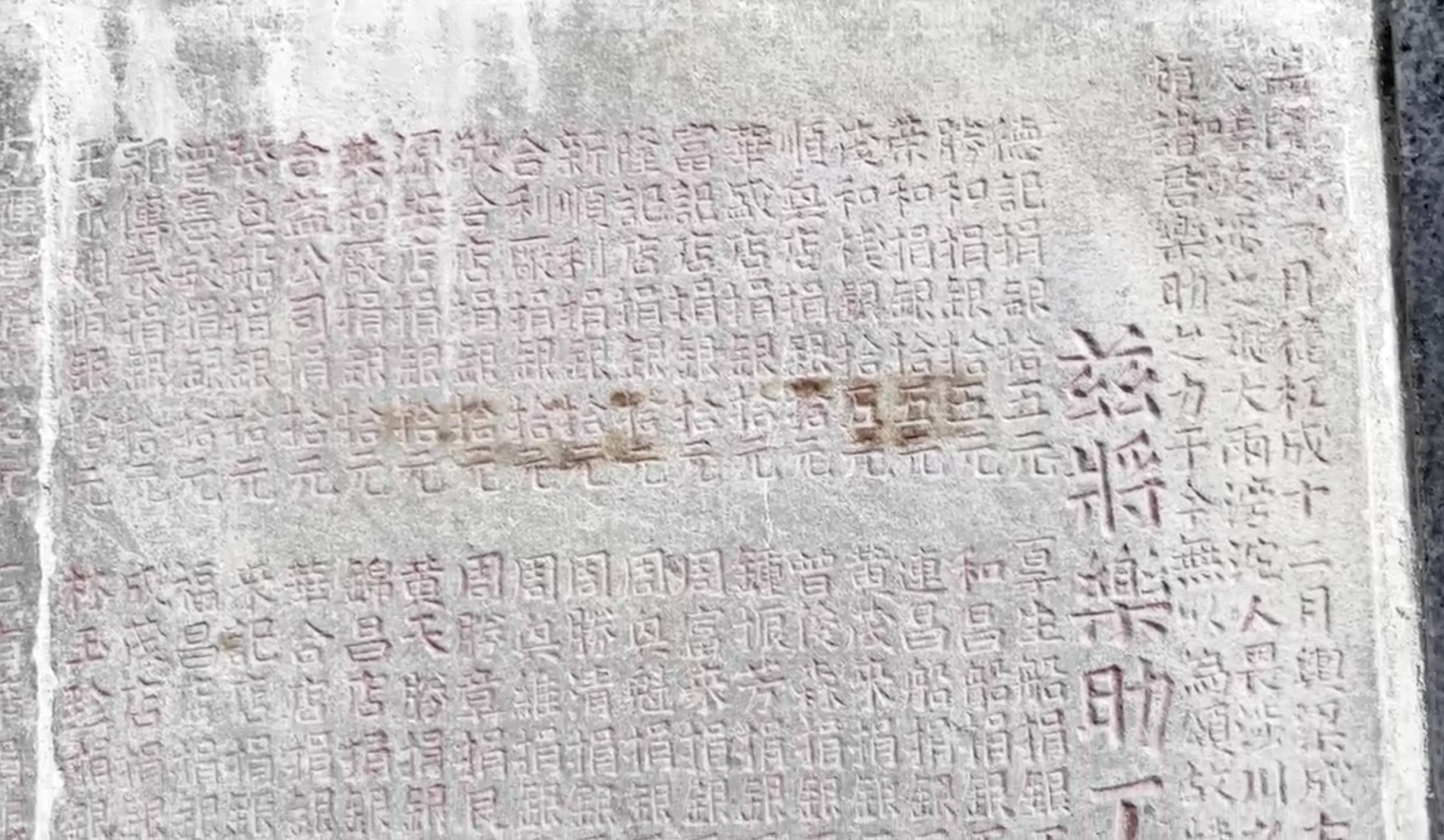
Using Kat O as an example, there is a short concrete bridge near the Kat O Police Post. Beside the bridge stands a stone tablet that records the reason for its construction, the names of the benefactors or sponsoring organisations, the donation amounts, the village board members or deputy managers responsible for the project, and the year the bridge was built. The inscription is neatly formatted and set within a marble frame, showing the value the villagers placed on preserving it. The information on the stone tablet offers insights into the island’s past industries (such as fishing, boatbuilding and grocery trading), its local gentry, the clans present on the island, and even its approximate economic capacity. Such stone tablets are an important source for studying the history of rural villages.
[ See photo 1 for reference ]
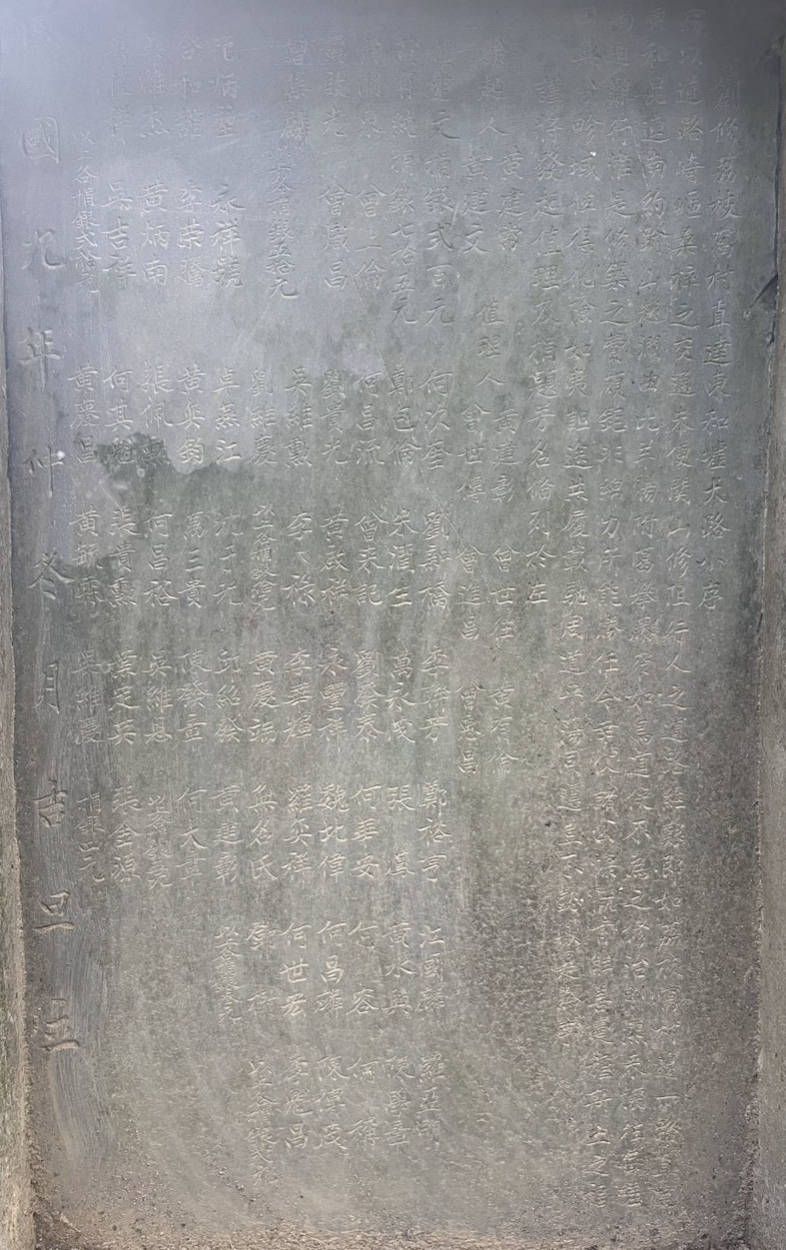
Near Fan Shui Au, another road-repair stone tablet exists, even older than the one on Kat O. The benefactors listed came from different villages within the Sha Tau Kok Ten Alliance. This not only reflects the relationships among village alliances but also shows that Sha Tau Kok once functioned as the commercial and political centre for surrounding Hakka villages.
[ See photo 2 for reference ]
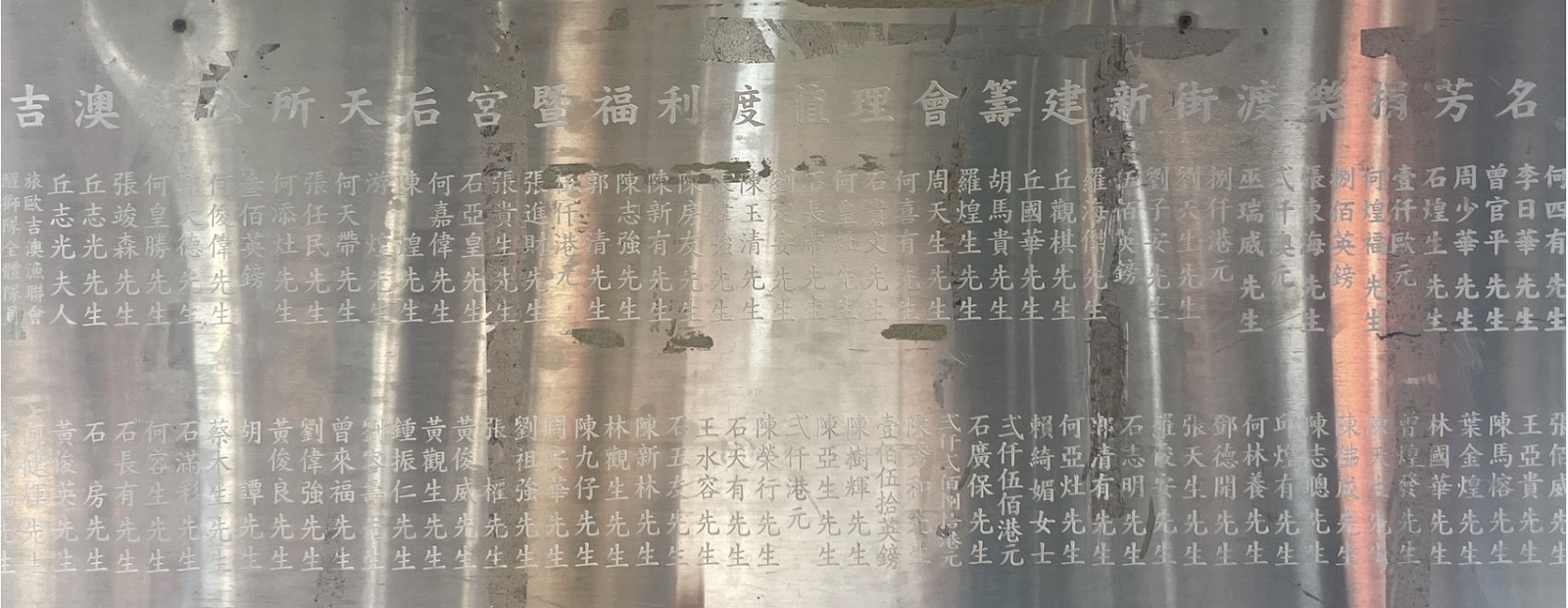
For the Kat O–Sha Tau Kok ferry (Kat O Tin Hau Welfare Ferry), a stone tablet on the bow records the fundraising for its construction. Donations are listed in HKD, GBP, and AUD, indicating contributions from around the world. Even though many Kat O residents live elsewhere, they remain deeply connected to their home village and support it generously when needed.
[ See photo 3 for reference ]
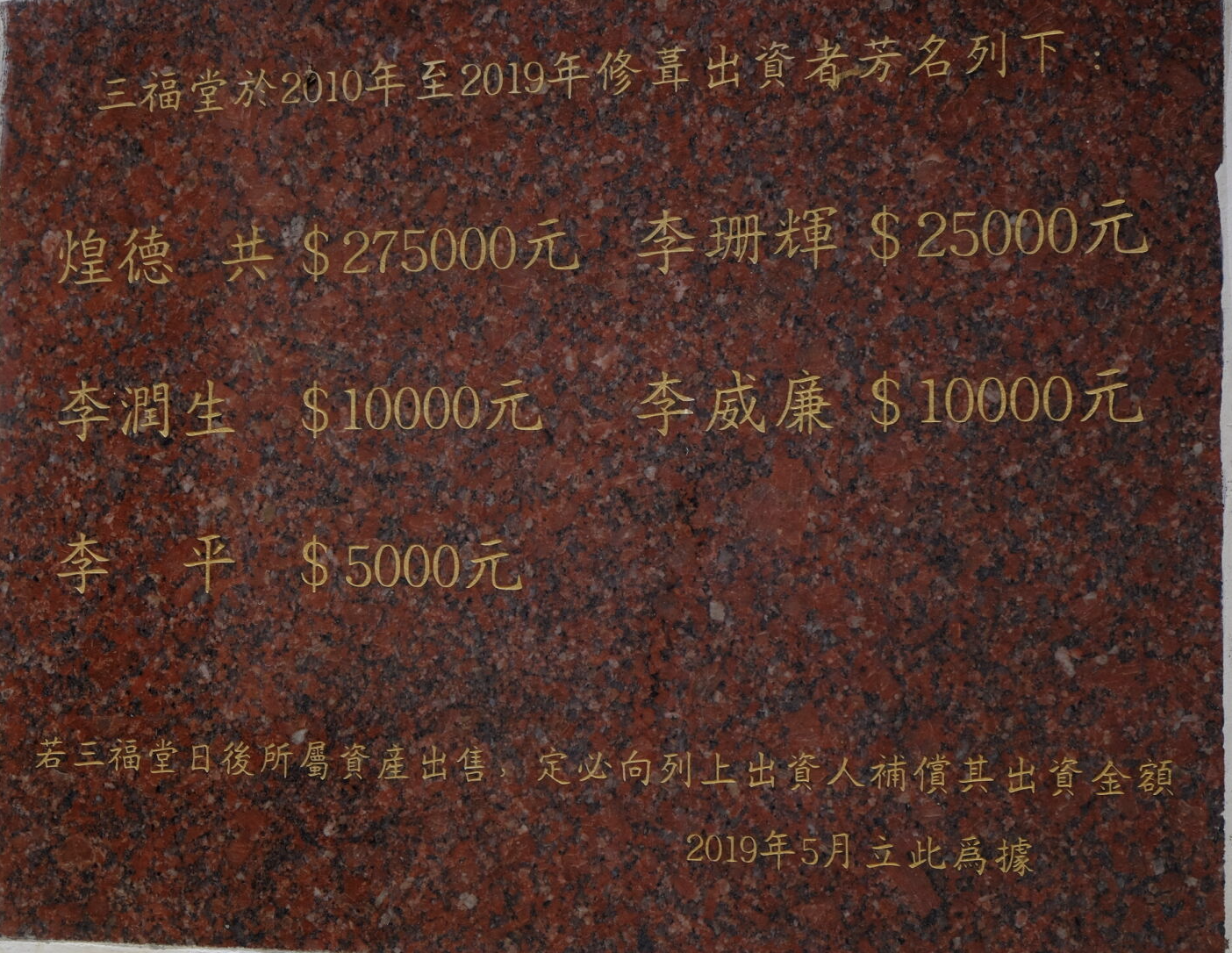
The second type of stone tablet records contributions for building ancestral halls within a clan, typically listing individual donation amounts. In larger clans, the names on stone tablets or genealogical records can determine inheritance rights, making these inscriptions extremely important.
[ See photo 4 for reference ]
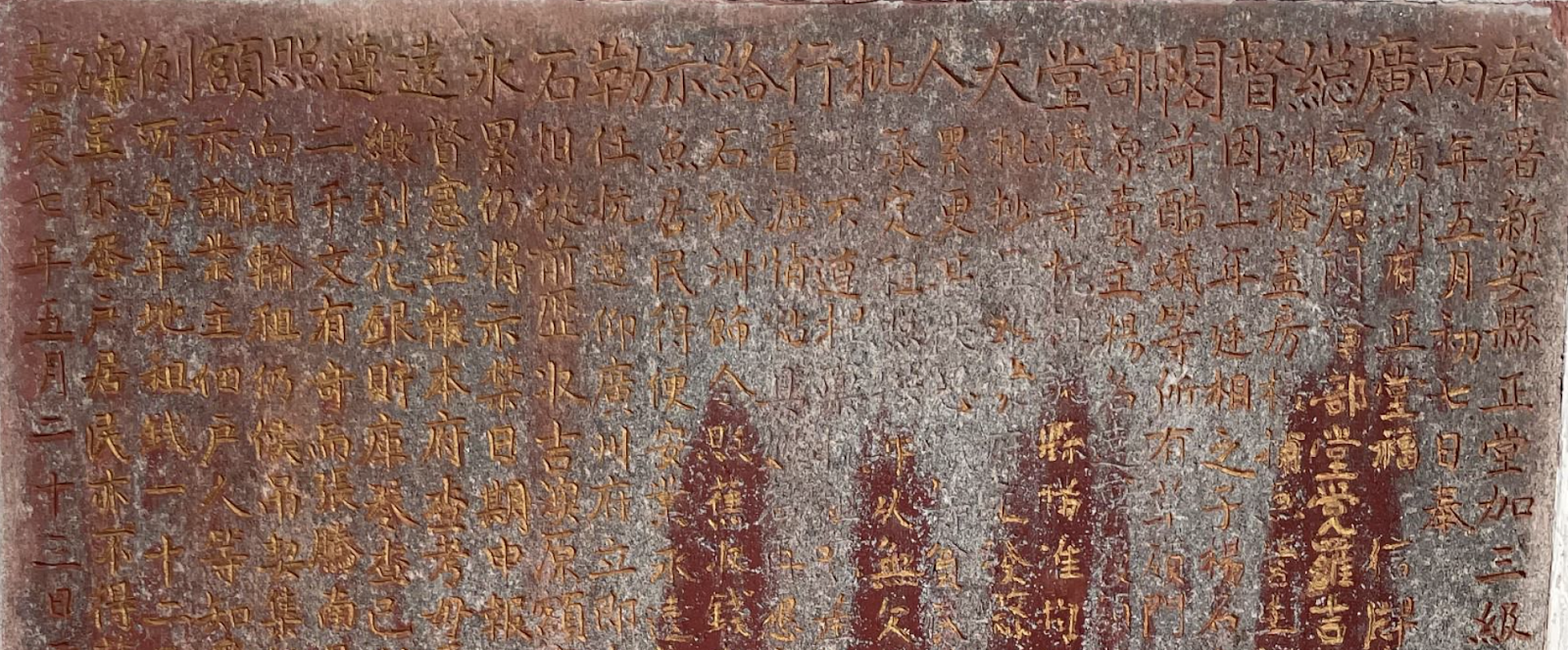
The third type is usually displayed inside temples, such as the stone tablet in Kat O Tin Hau Temple: “Stone-tablet-inscribed decree to be forever abided by, as delegated by the Guangzhou governor”. When villagers could not resolve disputes themselves (e.g., land issues), a court ruling would be recorded on a stone tablet or in the clan genealogy, preventing future conflicts.
[ See photo 5 for reference ]
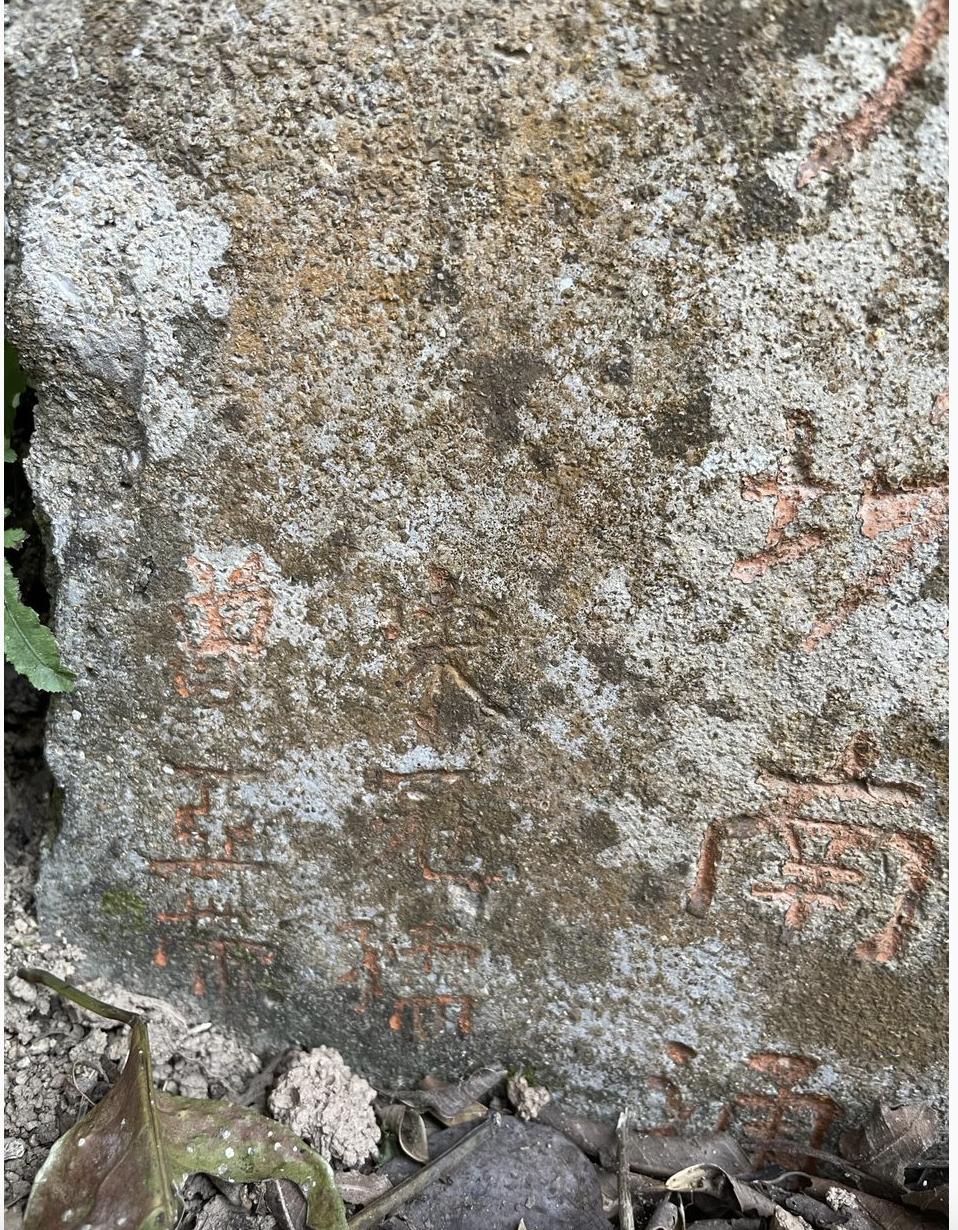
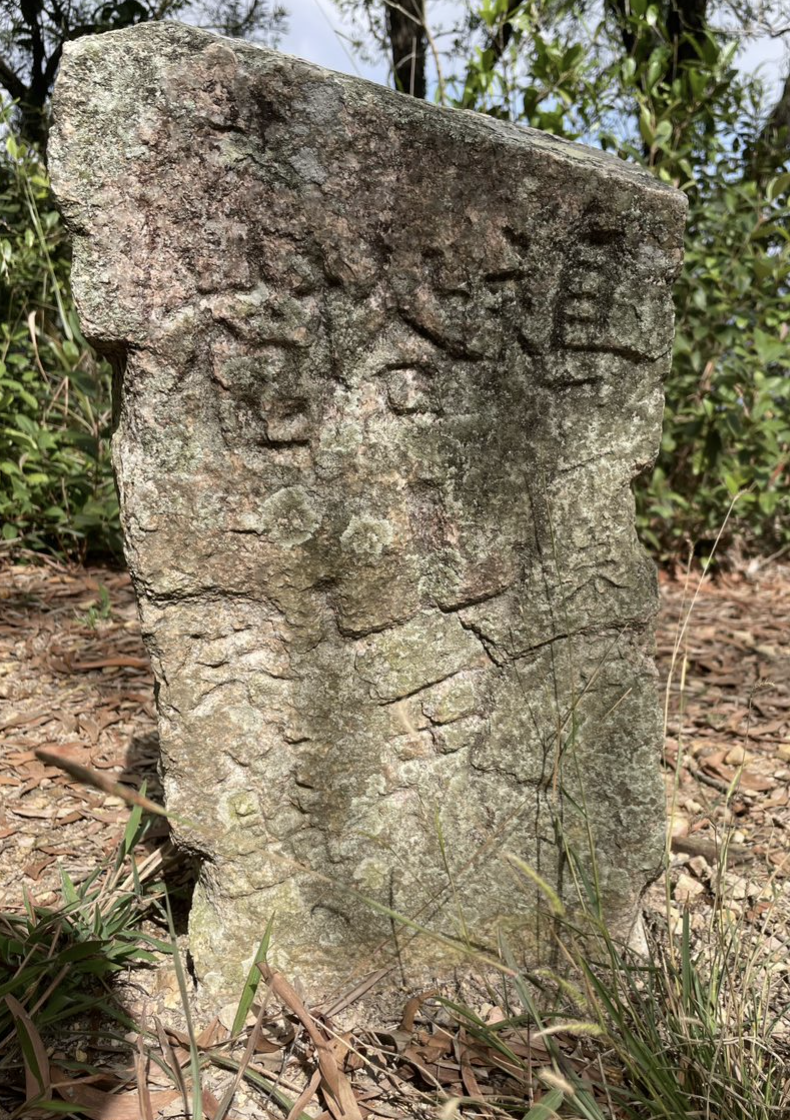
The last type of tablet is smaller in size. Similar to the functions of the famous Victoria boundary stone, they mark the boundaries of villages to avoid land disputes. Such peg, such as the one at Kai Kuk Shue Ha, reveal the territories of the various clans in the village.
[ See photo 7 for reference ]
Wayfinding stones indicate directions, sometimes using old village names (e.g., Fung Hang, Wu Kau Tian).