Home
Home






Not a Hotel: The Hakka Life Experience Village
【Process】
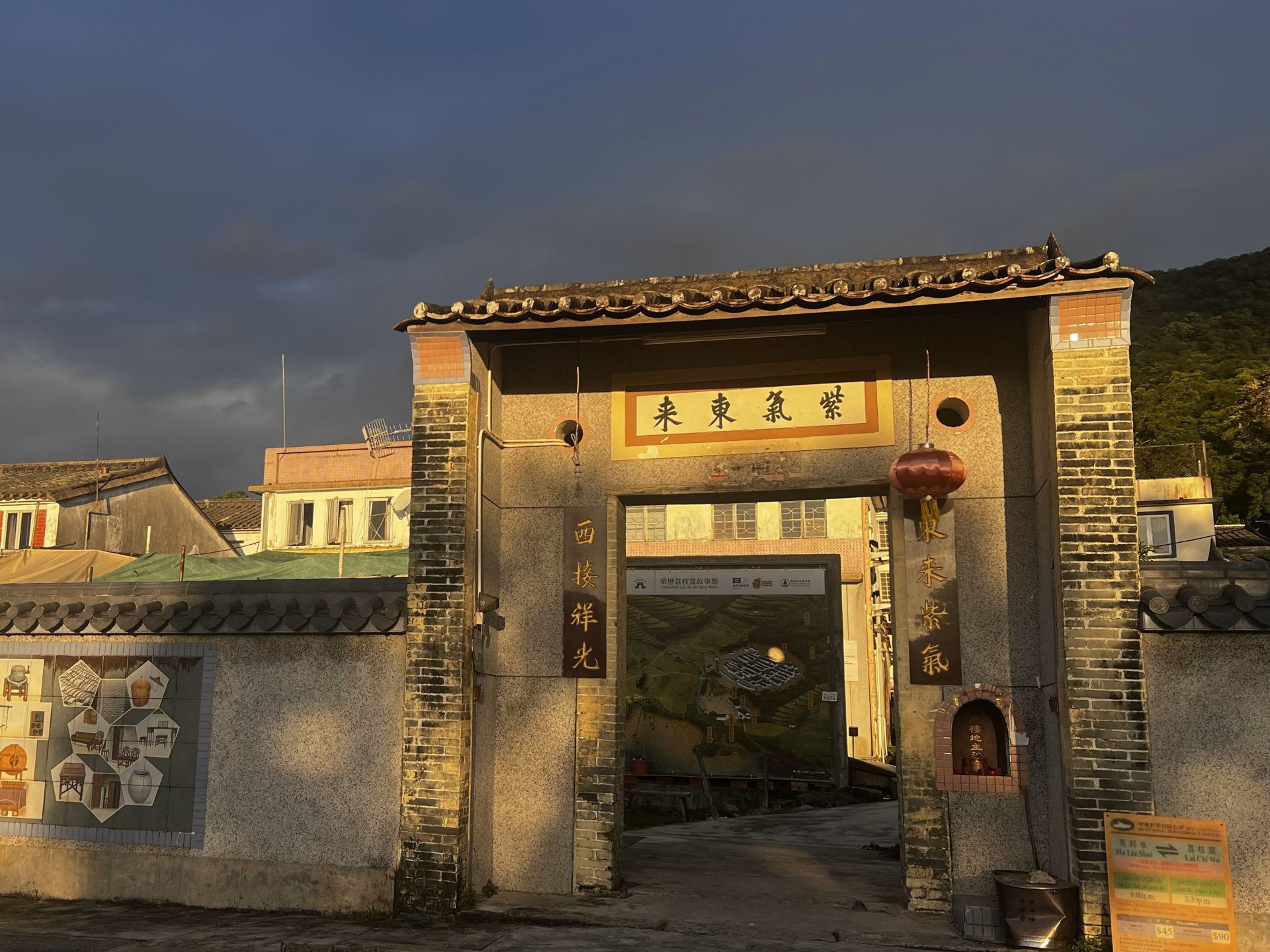
Restoring village houses in Lai Chi Wo has been a long journey. From locating house owners, signing agreements, conducting assessments, and developing restoration plans, to finally welcoming visitors who can now stay and experience village life, every step came with challenges. One of the greatest difficulties was figuring out how to place “the past” into today's regulatory framework. The norms in urban areas usually could barely apply in rural settings. For instance, how should villagers apply for food licences if they want to run a small store? How should stalls at the village entrance obtain Hawker Licence? In revitalising village houses, the unavoidable issue was ensuring that traditional Hakka houses meet modern building requirements—fire safety, fresh water supply, drainage, and more—while still blending seamlessly with their historical character.
【Stay】
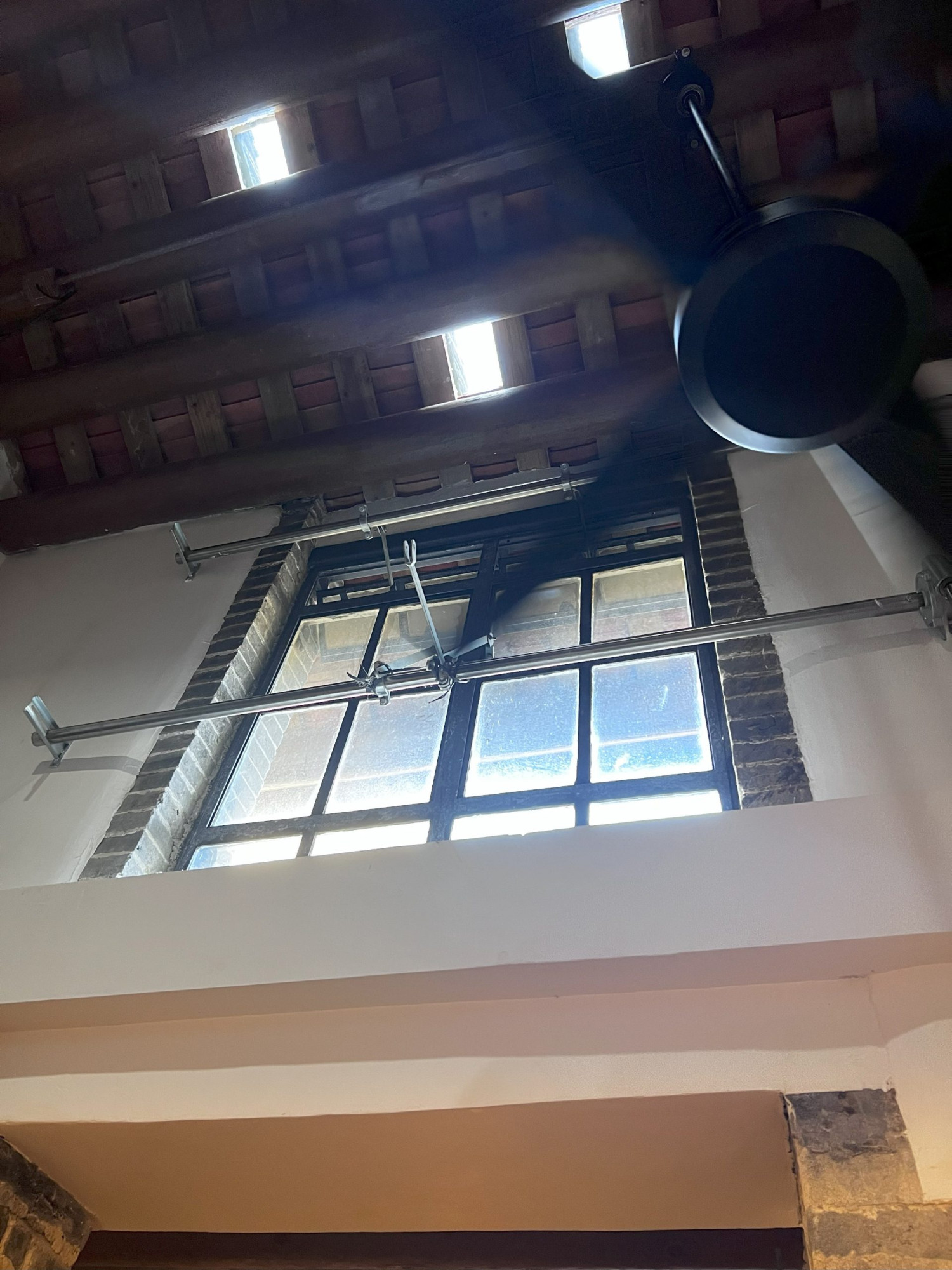
Walking through the village alleys, one Hakka house at an alley entrance now serves as the reception area. Each restored house has two storeys, and the original metal window grilles have been kept. According to accounts, Sha Tau Kok's position on the border once made it vulnerable to war and pirates, so villagers allegedly designed defensive mechanisms enabling them to fend off intruders from their bedrooms.
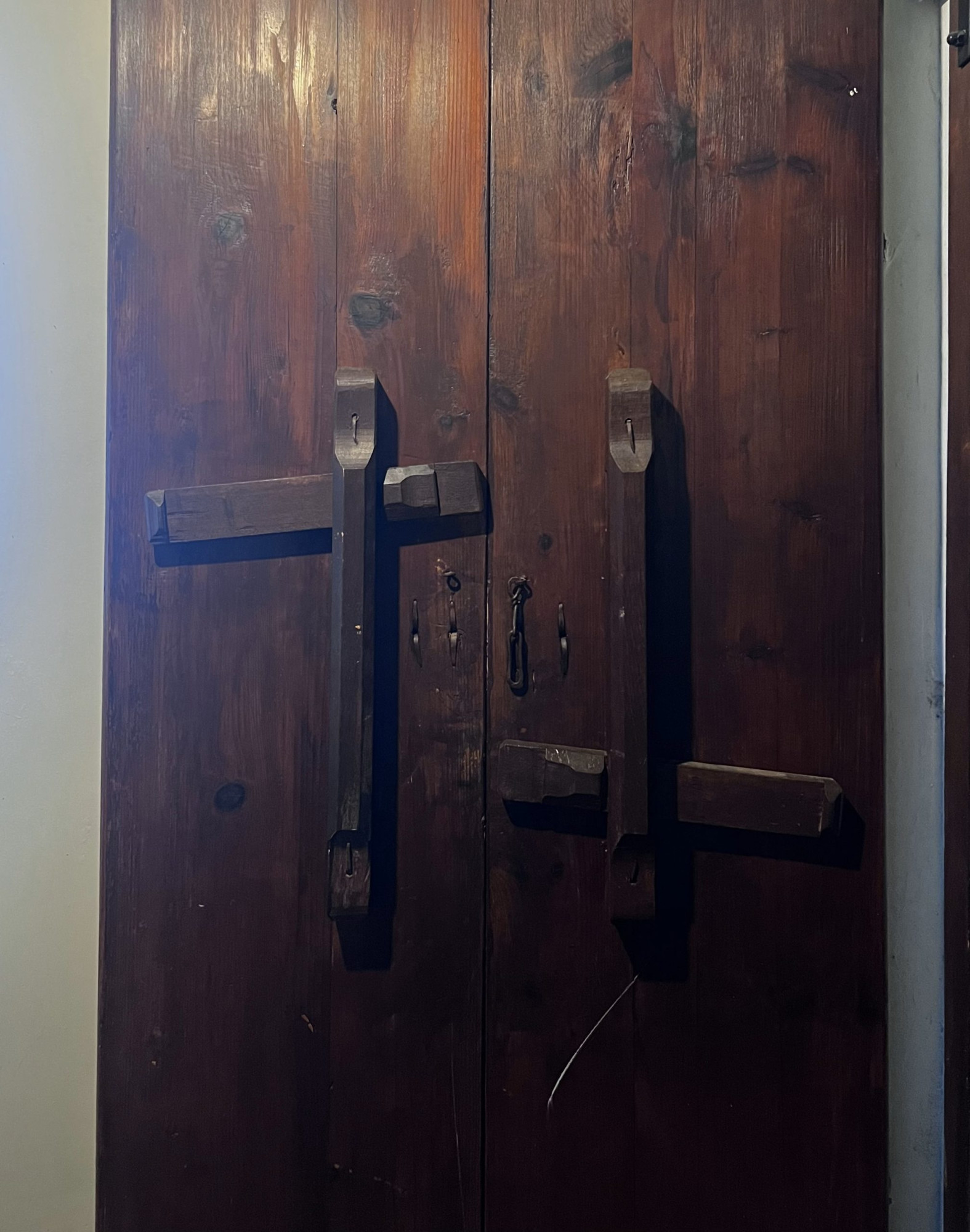
Sliding the heavy wooden latch across the door offers a tactile first impression of Hakka domestic life. Inside, the rooms are spacious, furnished with essentials yet still retaining traces of the original inhabitants: firewood storage spaces, grey-brick stoves with iron woks, rice-pounding tools, these were everyday necessities for traditional cooking. Above, the roof structure is composed of round timber beams, square purlins, and layered boards. On the horizontal beam is written “Hundreds of sons and thousands of grandchildren”, and on the brick wall above, "May your home be filled with gold and jade." Such inscriptions reveal the villagers' simple, heartfelt aspirations.
【People】
A core intention behind the Hakka Life Experience Village is inheritance. The Hong Kong Countryside Foundation (HKCF) hopes that the restored houses can eventually be handed back for villagers to operate—creating synergy between income generation and cultural preservation, enabling Lai Chi Wo to develop sustainably across its many interconnected initiatives. Currently, the Experience Village is overseen by new residents of Lai Chi Wo. They handle guest check-in, village orientation, and also serve as overnight duty staff responding to emergencies. For many guests coming from the city, rural living takes adjustment—whether it's fire safety, insects, or unexpected situations of all kinds. As a result, duty staff often must keep their phones in close proximity throughout the night to respond quickly whenever needed.