Home
Home






Lai Chi Wo Village Garden – "Stove/Studio/Hall": A Landscape Architect's Guide
The Lai Chi Wo Village Garden officially opened on Valentine's Day in 2023. The garden comprises three sites, all formerly collapsed village houses that were difficult to restore. Each is named based on the original features that were preserved: Studio, Stove, and Hall. The design intentionally retains authentic elements such as wooden beams, Hakka stoves, and granite strips.
Below, the project's landscape architect briefly shares insights into the considerations and intentions behind the design of the Village Garden:
[ Before the design stage, villagers were consulted. What feedback left a strong impression? ]
Villagers placed great importance on the idea of home and village, emphasising the need to preserve a sense of home:
"(In terms of materials and design) we need to retain the soul of the village."
"We hope that when overseas villagers return, they can sit down and feel like they're home again."
"We hope the garden's elements will encourage discovery and bring people into conversation."
[ What are the characteristics of the three village gardens? ]
Each village garden is named after the spatial features, materials, or elements preserved on site—Studio, Stove, and Hall.
"Studio" (House No. 77)
Located along the 5th alley, next to the "Earth Brick House", which hosts earth brick workshops. Constructed mainly with grey bricks salvaged from leftover construction materials in Lai Chi Wo. The original treading pestle structure on the floor has been preserved, though the movable wooden handle and the stone pestle have been lost.
"Stove" (House No. 71)
Also located along the 5th alley, the traditional Hakka stove, chimney, and firewood storage area remain intact, making the space especially popular for villagers during festive cooking. The steps at the back of the garden are built using the original site's cedar roof beams, which were selected, sanded, and treated for preservation. A small portion of the original beams remains in place to show where the roof and attic once stood.
"Hall" (House No. 180)
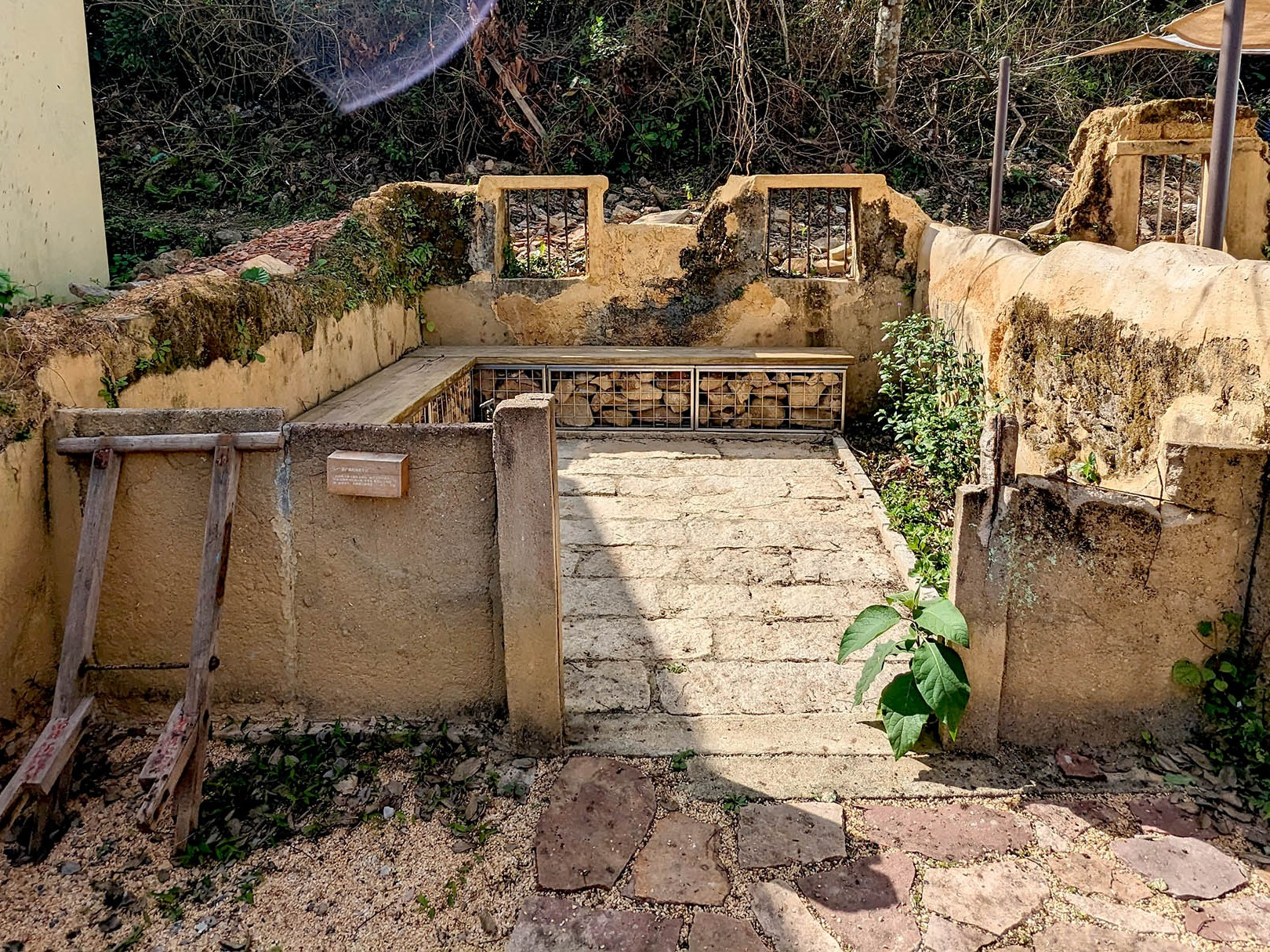
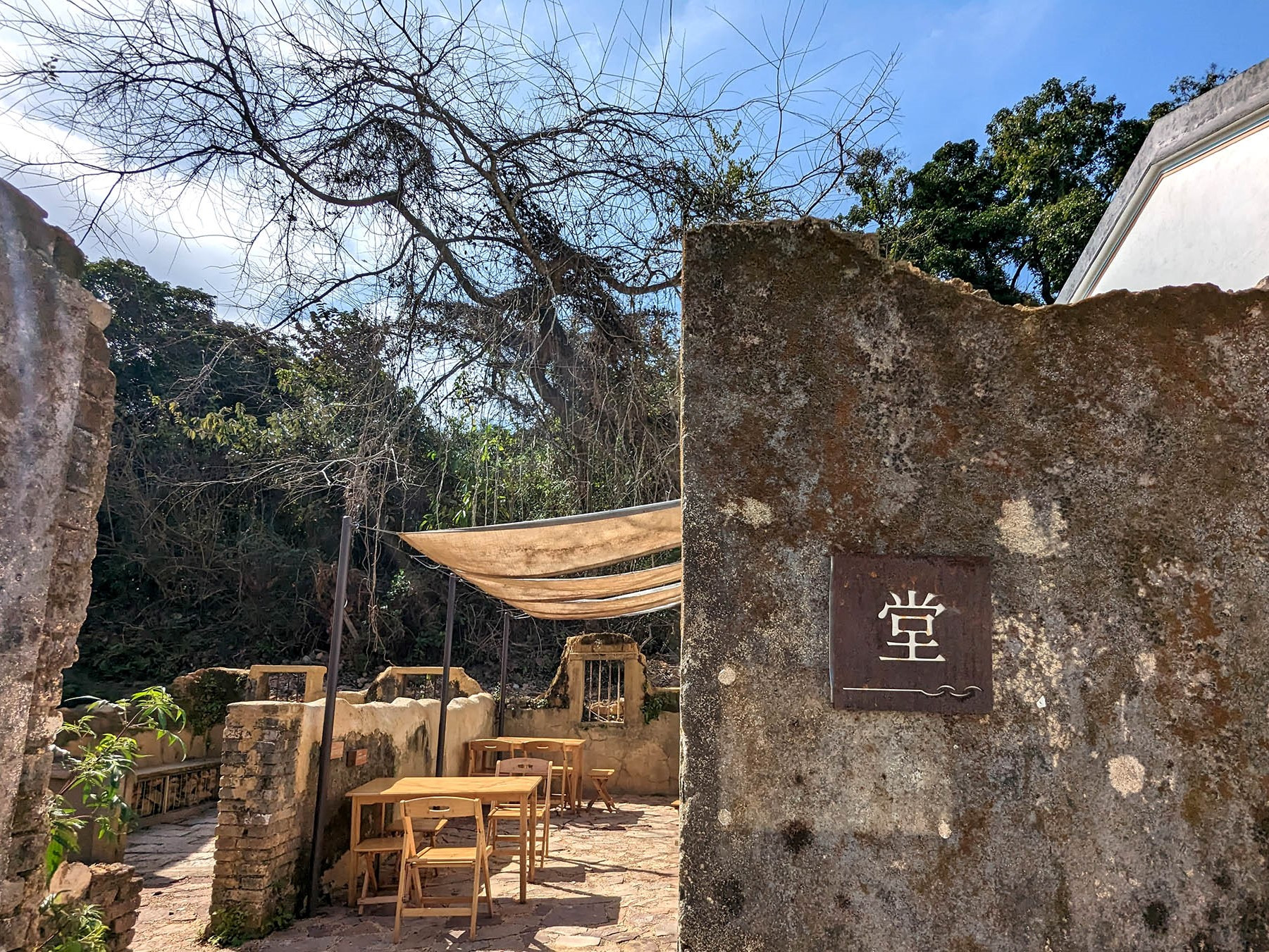
Located along the last alley, it is said that before Lai Chi Wo was resettled in the early Qing period, this site was the ancestral hall of the Cheng clan during the "mixed-surname village" era. It was later converted into a pigsty, evidenced by the concrete gate frame still visible today. The new design includes tables, benches, and shading elements, highlighting its role as a gathering space, supported by the large shading tree behind it.
[ How were the plants chosen? What should be noted when planting in villages? ]
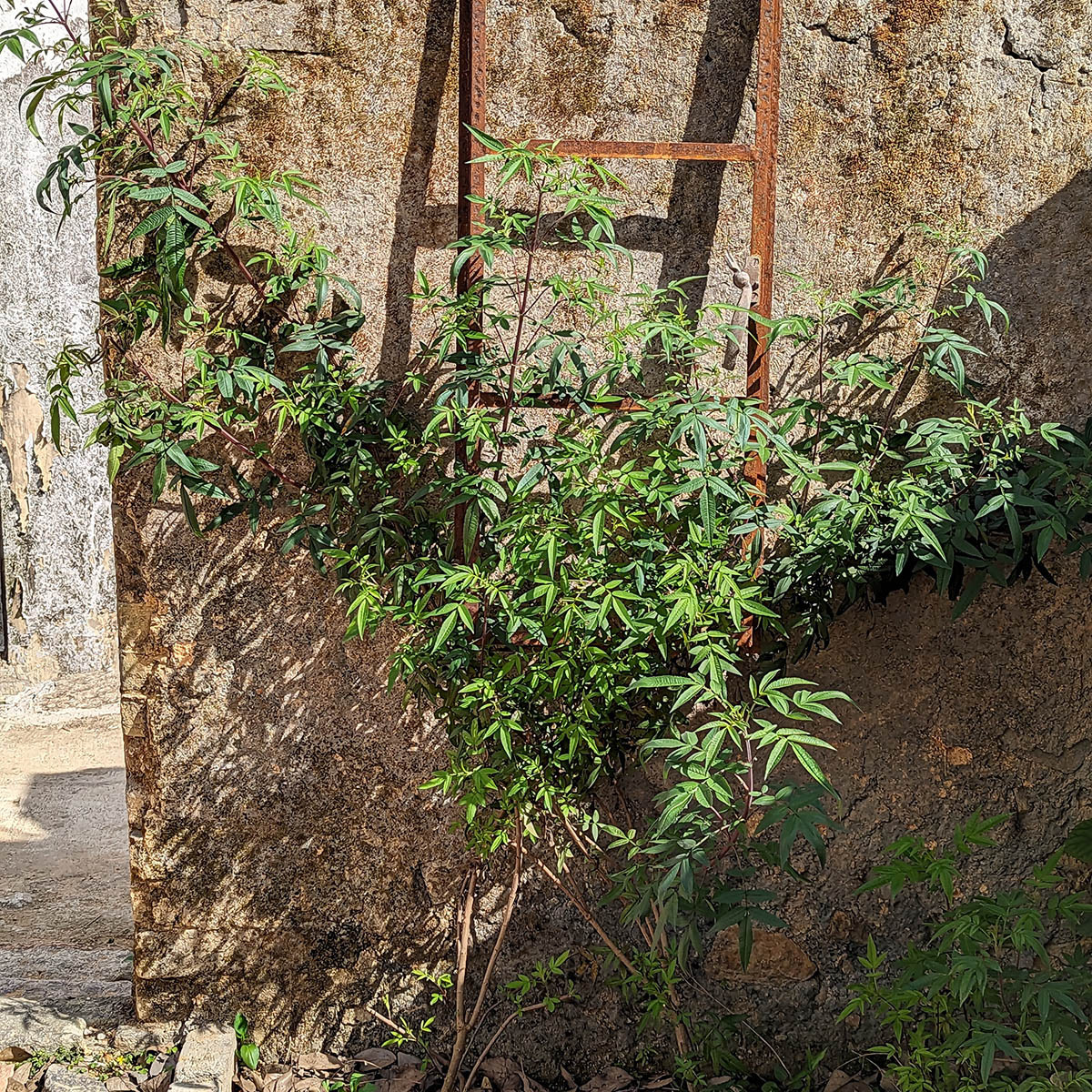
All plants were supplied by farms participating in the Management Agreement Scheme at Lai Chi Wo Enclave, reflecting eco-friendly agricultural practices. Examples include the planting of milkweed to attract butterflies, Strobilanthes cusia, mugwort, Jamaica vervain, upland watercress, daylilies, and Lemmon's marigold. However, plants like mugwort and cat's whiskers are especially favoured by the roaming yellow cattle—they rarely escape being eaten.
[ How is the design and construction process different from working in urban areas? ]
The process involved hands-on participation and continual interaction with villagers. For instance, when planting in the "Stove" garden's flower trough, a villager suggested placing the taller plants toward the side for better visual effect. After seeing the result, the team agreed and immediately rearranged the plants.
[ What do you most hope visitors will notice when they visit and use the gardens? ]
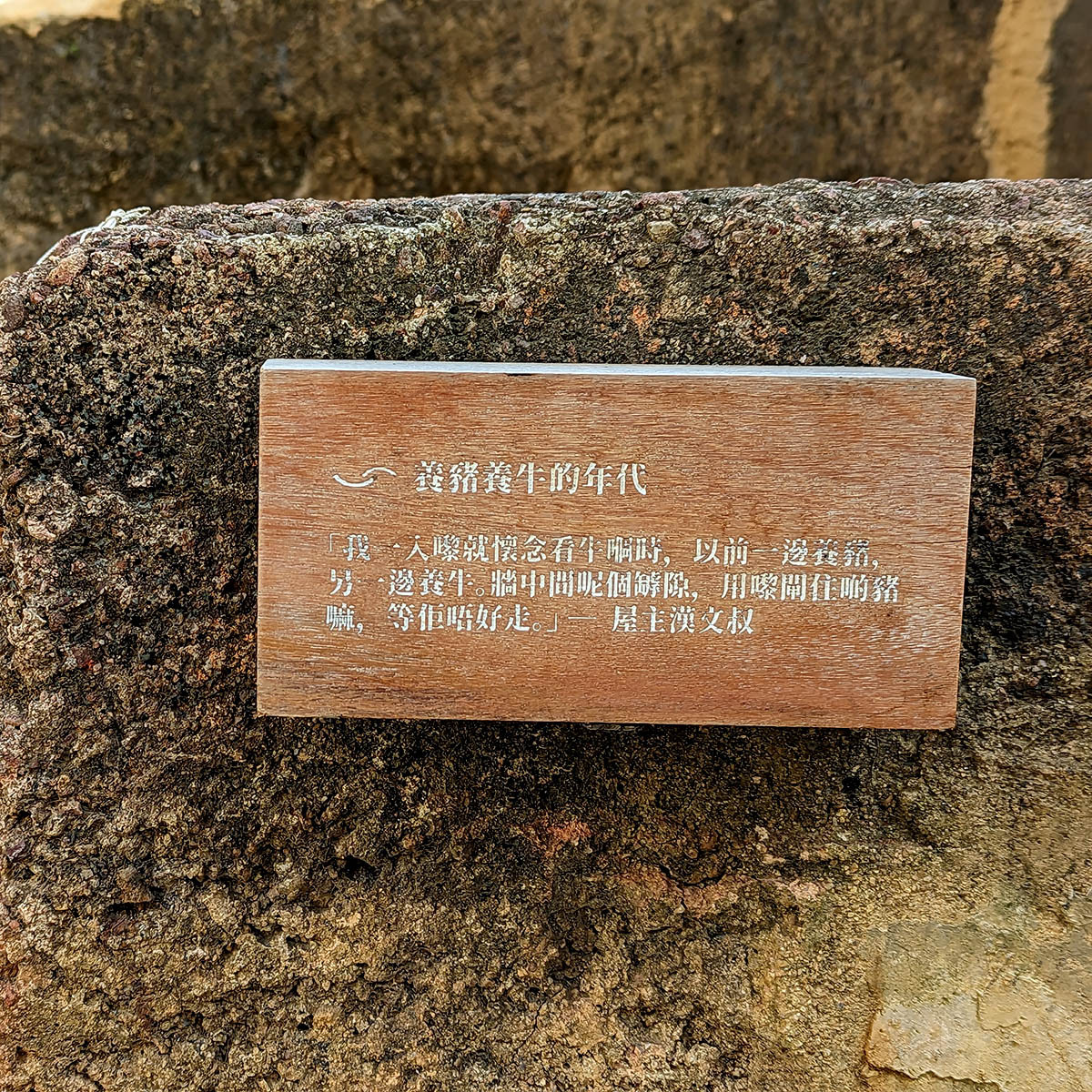
Visitors are encouraged to pay more attention to the materials used—many were sourced locally or repurposed from collapsed houses. They can also look for the wooden plaques scattered around, which record villagers' reflections, stories, and messages.