Home
Home






Hakka Life Experience Village — A Sustainable Development Initiative in Hong Kong's Remote Countryside
What is the "Hakka Life Experience Village"?
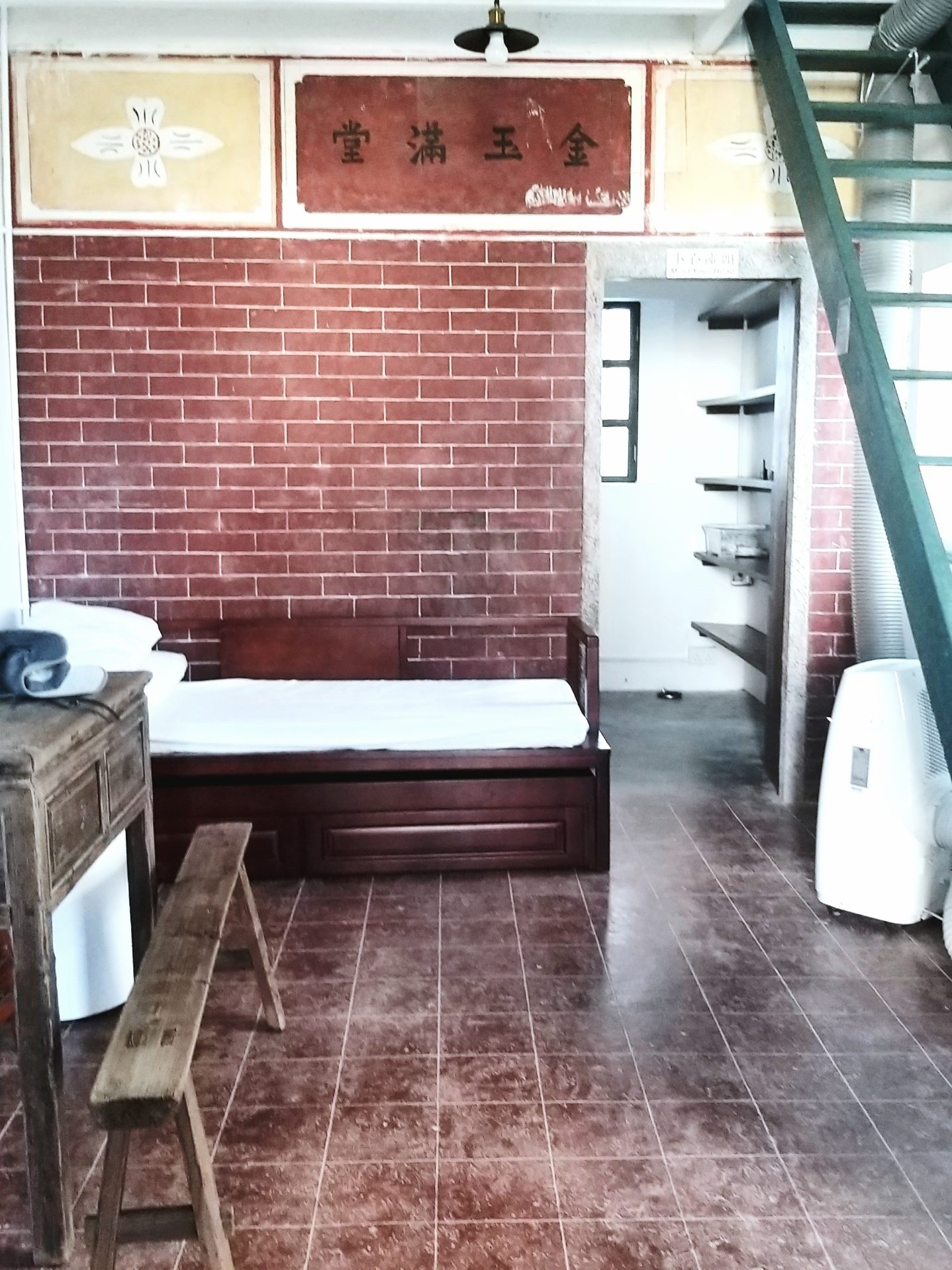
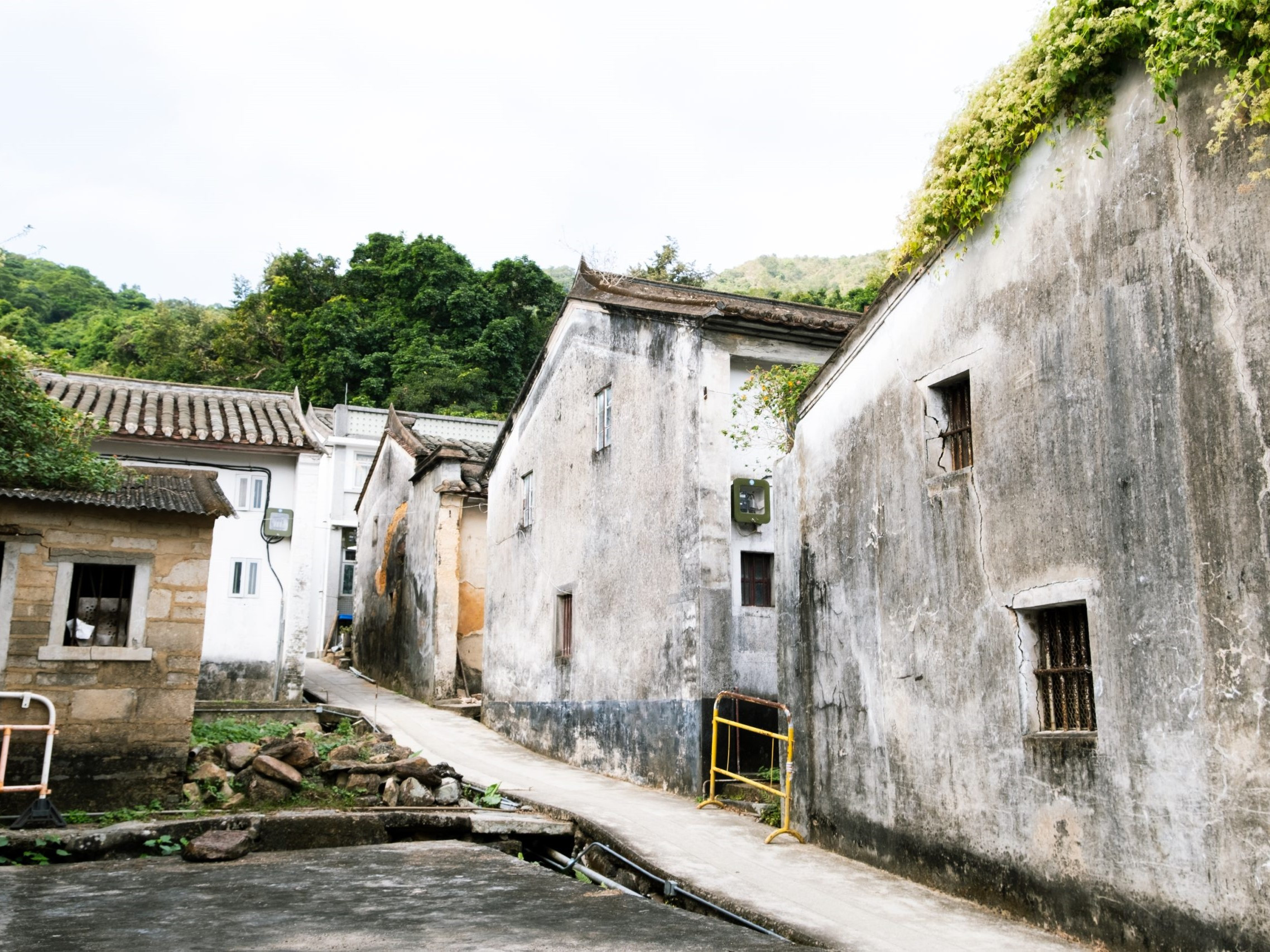
Walking into Lai Chi Wo, one will notice many Hakka village houses that appear structurally intact but are no longer inhabited. Some of these houses form part of the Hakka Life Experience Village @ Lai Chi Wo, operated by the Hong Kong Countryside Foundation (HKCF). With support from The Hong Kong Jockey Club, HKCF has repaired and conserved a number of these houses, combining experiential accommodation with cultural activities to enable visitors to understand the history and cultural heritage of Lai Chi Wo as a Hakka village. The project began its trial operation in December 2022, and the team hopes it will grow in a sustainable manner.
"The most important goal is to build collective ownership."
According to the project team, the villagers' participation is essential for long-term sustainability. "What matters most is establishing collective ownership." When asked about the project's future, the team emphasised that they are merely the initiators. In the long run, the entire Hakka Life Experience Village will be managed by the village representative and villagers themselves. To prepare for this transition, HKCF has gradually handed over operational duties—such as guest check-in, house cleaning, and handling emergencies—to villagers.
The project also uses work-exchange residency programmes to attract people interested in Lai Chi Wo, allowing them to stay while assisting with tasks like inspecting house conditions. The team hopes that by mobilising diverse stakeholders—both within and outside the village—Lai Chi Wo can develop a healthy economic cycle that supports sustainable development.
Beyond economic benefits, HKCF aims to achieve cultural and environmental sustainability. Being on the city's periphery, Lai Chi Wo embodies a lifestyle quite different from urban norms. If urban dwellers move into Lai Chi Wo for longer stays, they create a space for exchange between farming and urban living, gradually forming a "half-farming, half-urban" village: the "half-farming" side offers natural cultural landscapes, and the "half-urban" side provides convenience and modern comfort. The team stressed their commitment to "authentic restoration"—preserving traditional structures such as tiled Hakka roofs, beams, cooking stoves, and chimneys—so visitors can experience the everyday life of Lai Chi Wo villagers from the past.
"This is the first traditional Hakka building project in Hong Kong's remote countryside to obtain a guesthouse licence."
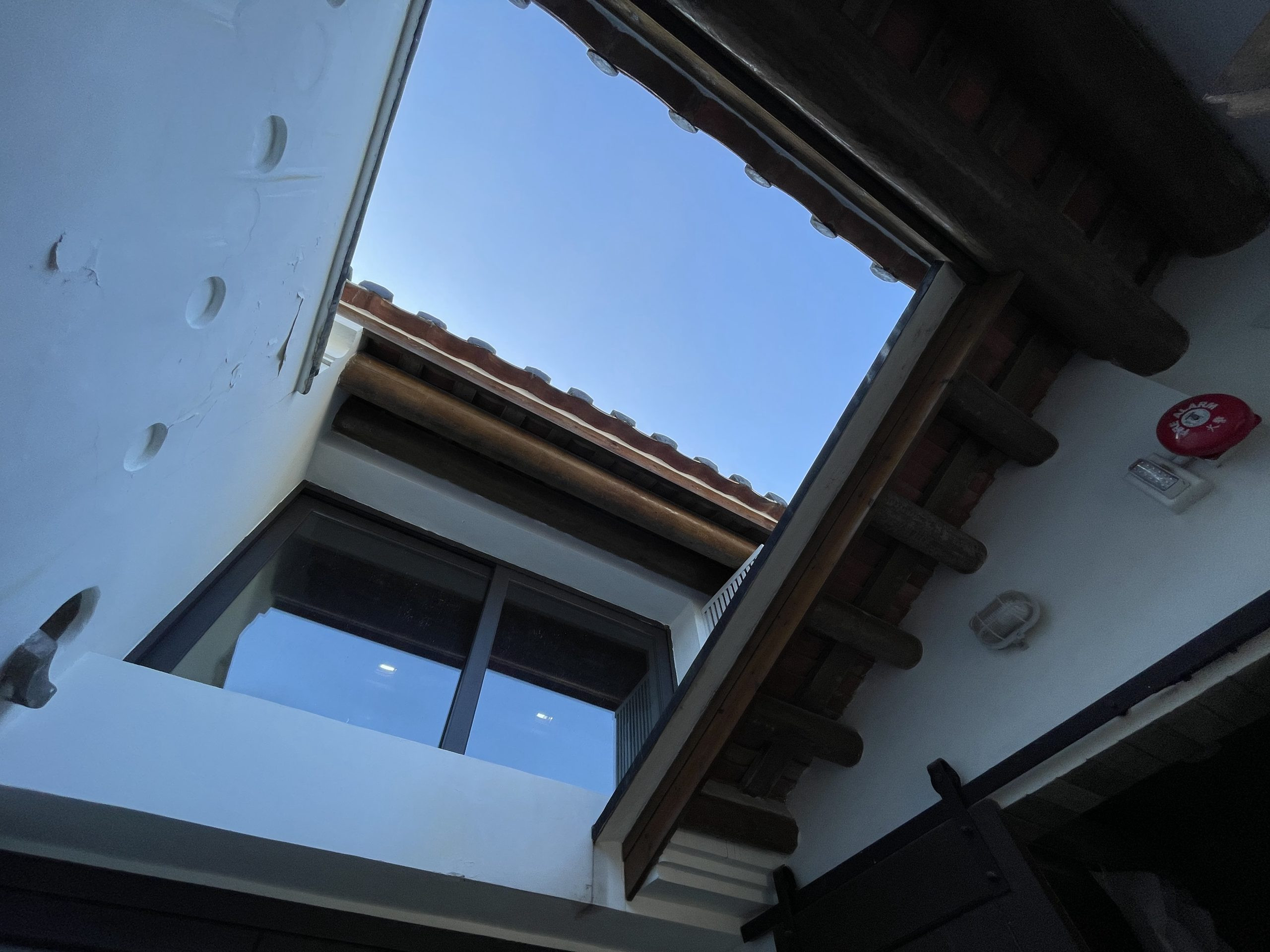
Given Lai Chi Wo's remote location, far from the urban centre, the project team encountered many operational challenges: "This is Hong Kong's first remote countryside project involving traditional Hakka buildings to obtain a guesthouse licence." To meet licensing requirements, the project retains original village house structures while adding modern safety features such as fire protection and ventilation systems.
Beyond structural upgrades, the team also introduced Lai Chi Wo's first fire alarm system. Guests are reminded not to start any fire indoors: "If a flame is detected, the system triggers an alarm that directly alerts the Sha Tau Kok Fire Station and Police Station. They will dispatch a boat to Lai Chi Wo to investigate. These measures ensure the houses meet licensing standards while providing guests with a safer and more comfortable stay."
"A future challenge is managing how the village landscape evolves."
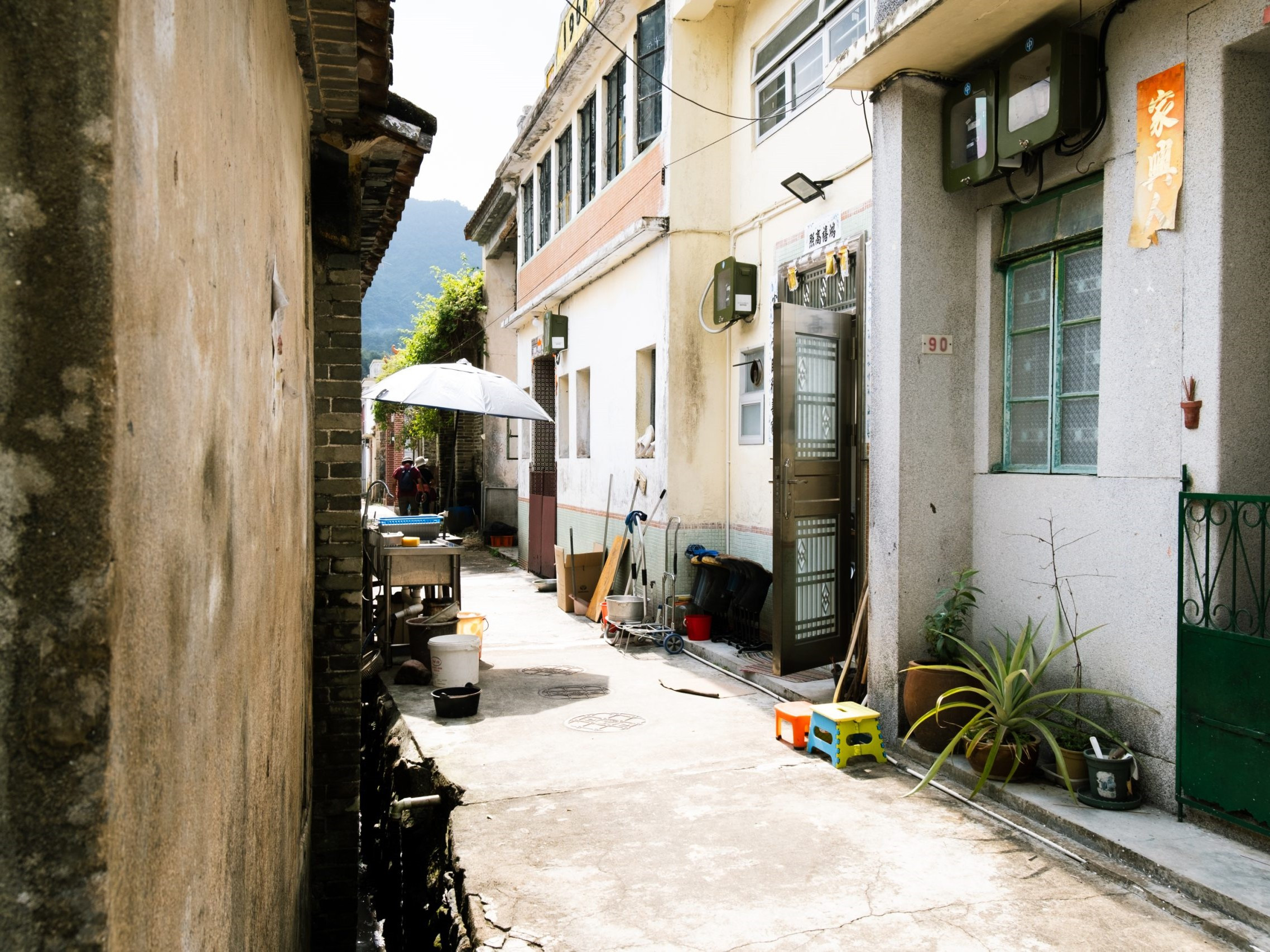
With new residents arriving, former villagers returning, and multiple countryside projects underway, the village landscape is inevitably changing. HKCF hopes Lai Chi Wo can retain as much of its traditional Hakka character as possible, so visitors may experience its authentic charm: "The village layout is highly orderly, all house entrances face the East Gate and roofs are uniformly tiled with traditional Hakka roof tiles." Recently, HKCF observed visible changes to the village's appearance and expressed concern: "One of the key challenges ahead is how to manage changes to the village's overall appeal."