Home
Home






Hakka Economic Life
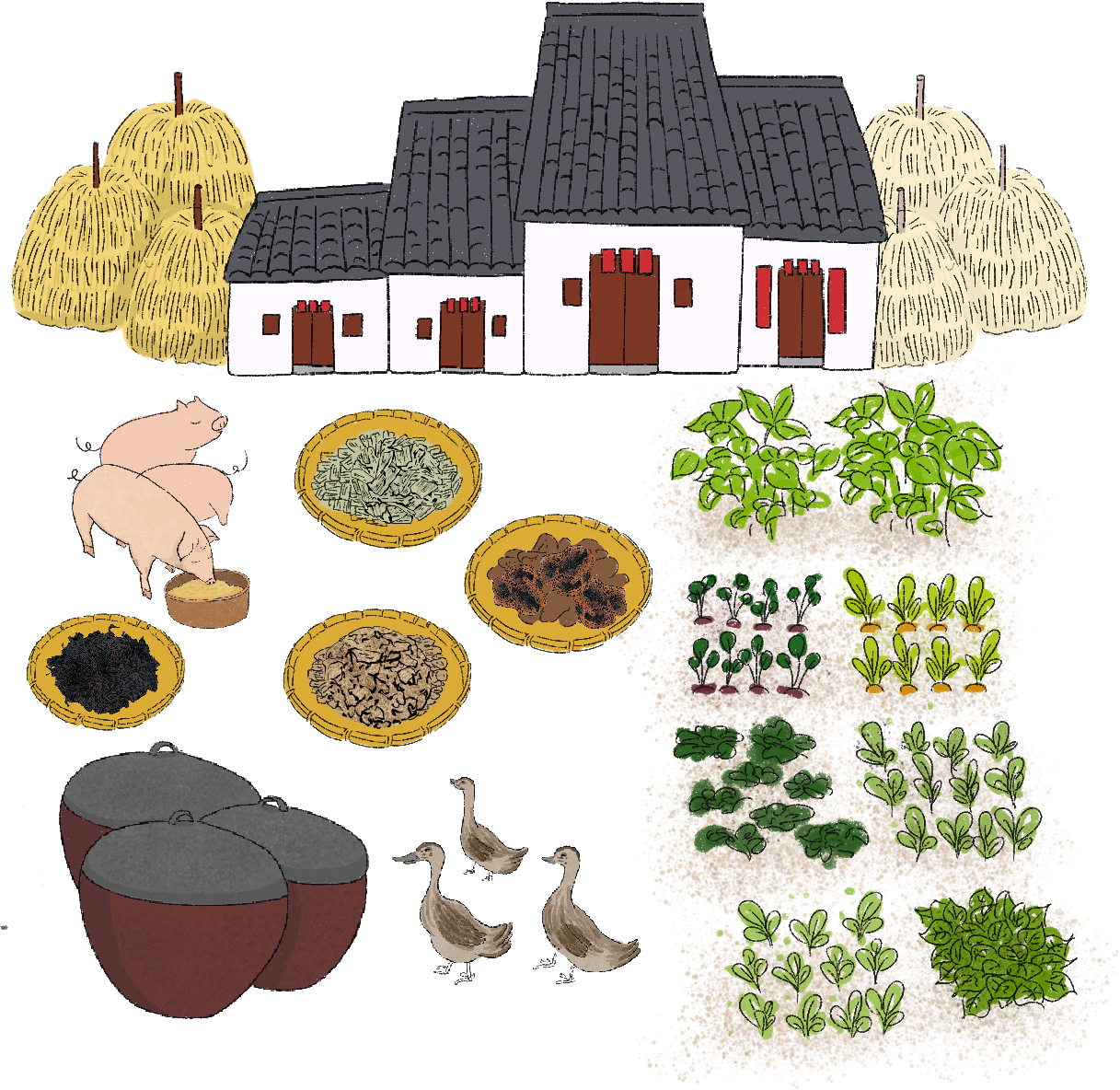
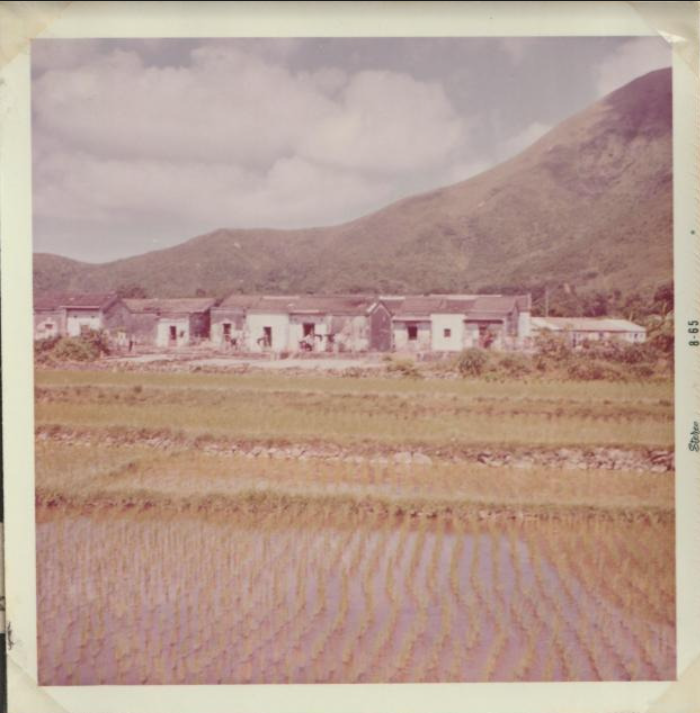
As the saying goes, “People are shaped by the land they inhabit.” Environmental settings significantly influence the traditional way of living and customary practices. Before the outbreak of World War II, the economy of the New Territories in Hong Kong relied mainly on fishing and farming. Local inhabitants efficiently utilised the natural resources available to sustain their lives. In areas such as Sha Tau Kok, the coastline is long while arable land was limited. Villagers therefore cultivated farmland in the lowlands of valleys, cultivating a variety of rice like See Mew (絲苗), Wong Huk Chai Mei (黃殼齊眉), Fa Yiu Tsai (花腰仔).
In addition, glutinous rice was also planted to produce different kinds of Ban-kwo (Hakka rice cake) and rice liquor. Due to the shortage of flat farmland, the villagers resorted to developing terraced fields on the hills. Depending on the irrigation conditions, rice and drought-resistant crops like sweet potatoes and millet were cultivated. Within the village, vegetables were grown, while surrounding areas were planted with Lingnan fruits such as longans and lychees to achieve self-sufficiency. Each household also raised a small number of chickens, ducks, and one or two pigs, which could be sold once grown. During festivals, villagers would butcher poultry at their homes for rituals, and the meat would then serve as the primary meat source for the entire family during festive seasons. Based on oral history accounts, pigs were not slaughtered in the village at least after the 1950s. For remote villages, pigs had to be transferred by boat to Sha Tau Kok for processing, whereas for villages with road access, arrangements could be made for butchers to transport the pigs. Once the pigs were slaughtered, their meat would be sold at the meat stalls in Sha Tou Kok Market. These activities formed the core of rural economic life at the time, alongside various secondary occupations described below, as recounted through oral history.
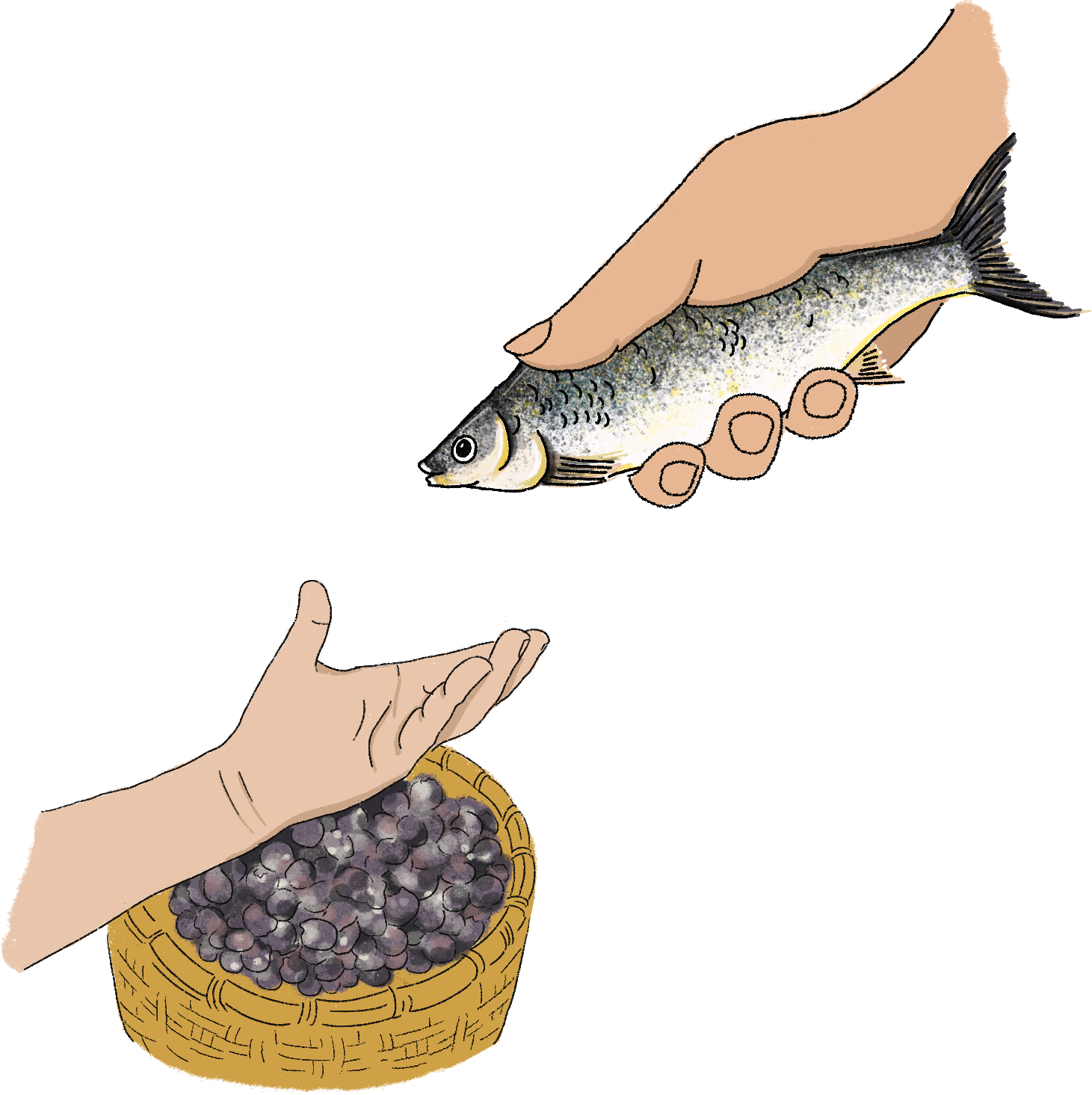
Coastal Hakka villages benefited from their proximity to the sea. Mr. Wong Hing Cheung, the current (2022) village representative of So Lo Pun, recollected how the older generation would venture out to the sea for fishing to supplement their household income, and the village once had over twenty-six fishing boats of various sizes. In Nam Chung, villagers would gather seafood such as fish, shrimp, crabs, clams, snails, oysters, and jellyfish at low tide, either for personal consumption or to sell at nearby markets. Elders who grew up in the pre-war 1930s also grazed cattle in the hills and collected wild fruits such as rose myrtle, which they would trade with the boat-dwelling communities for fish. By the late 1960s and early 1970s, freshwater fish farming became widespread across the New Territories, with former rice paddies converted into fish ponds. In more remote villages like So Lo Pun, villagers invested in coastal fish ponds in 1974 to revitalize the rural economy, but these efforts were ultimately insufficient to prevent population decline.
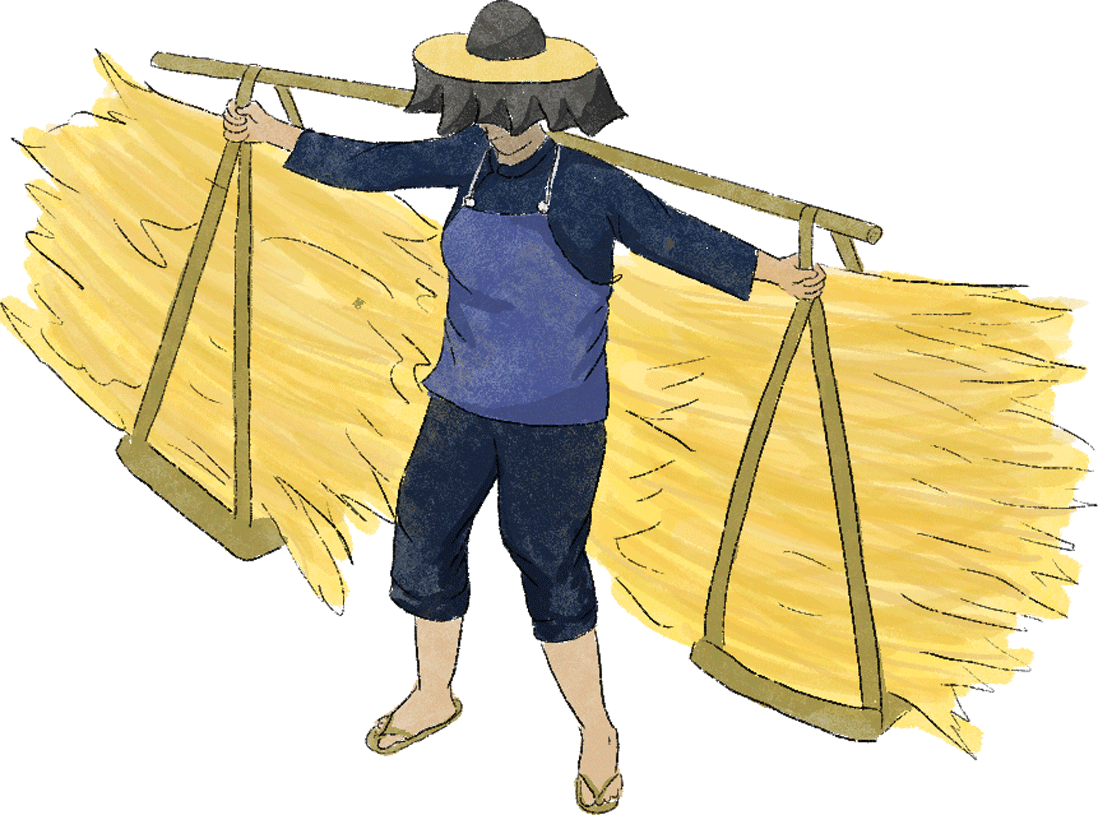
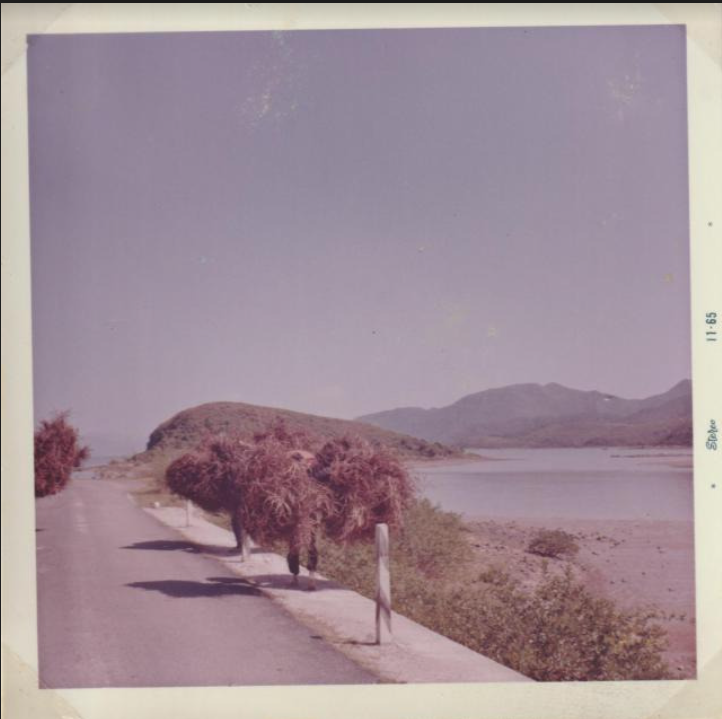
It was once common for women in every household to go out and gather grass and collect firewood. According to written records, in 1947 after the war, the Hong Kong Government issued forestry licences as part of a reforestation plan for Hong Kong and the New Territories. Villages were given forestry licences, called, specifying the areas where villagers could harvest firewood and branches. Each village paid a nominal fee of one dime per acre annually. The licences encouraged planting Masson pine, a hardy local species, to cover eroded hillsides, while allowing villagers to harvest limited branches for fuel. Any surplus firewood could be sold at the Sha Tau Kok market. During this period, many Hakka women worked barefoot, carrying firewood and dry grass across the hills to support their households, a testament to the harshness of rural life in the New Territories at the time.