Home
Home






Functions of temples: A Map of Deities in Sha Tau Kok (Part II)
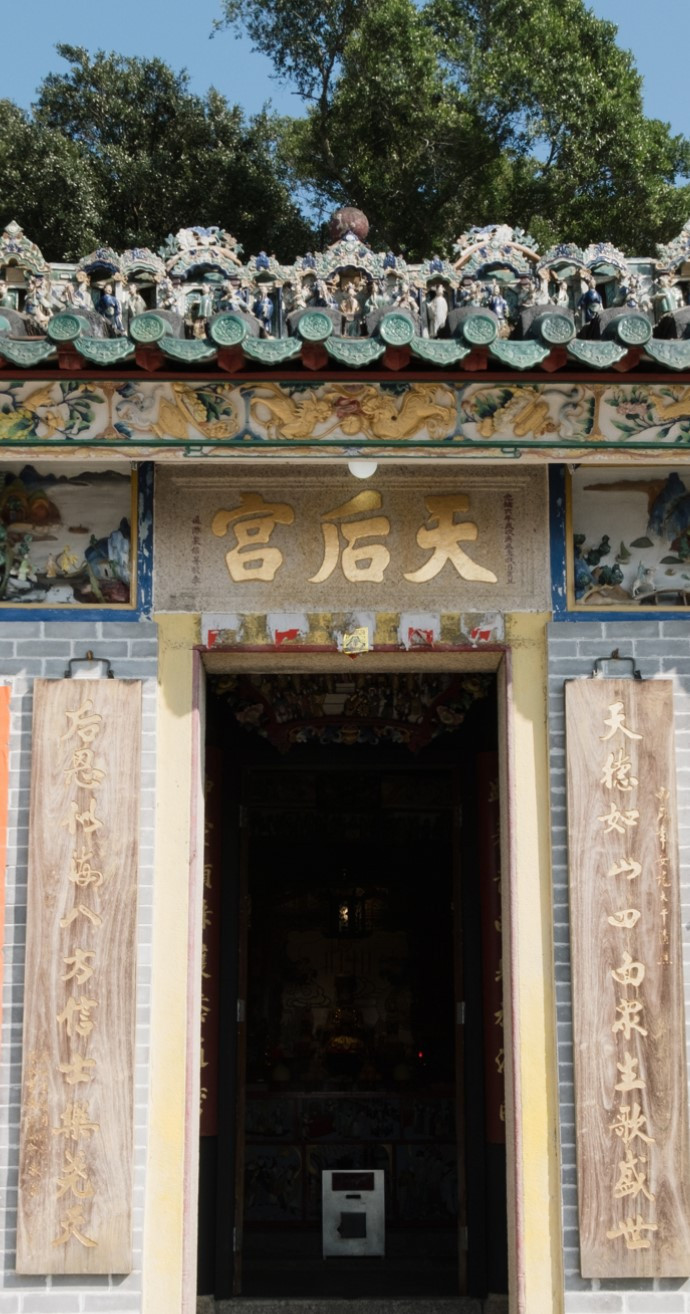
In everyday life in Hong Kong, people often encounter temples of all sizes—ranging from large Tin Hau temples spanning several shopfronts to small household shrines tucked inside shops. Beyond religious worship, temples historically served three additional functions:
1. Symbol of Village/Alliance Governance and Unity
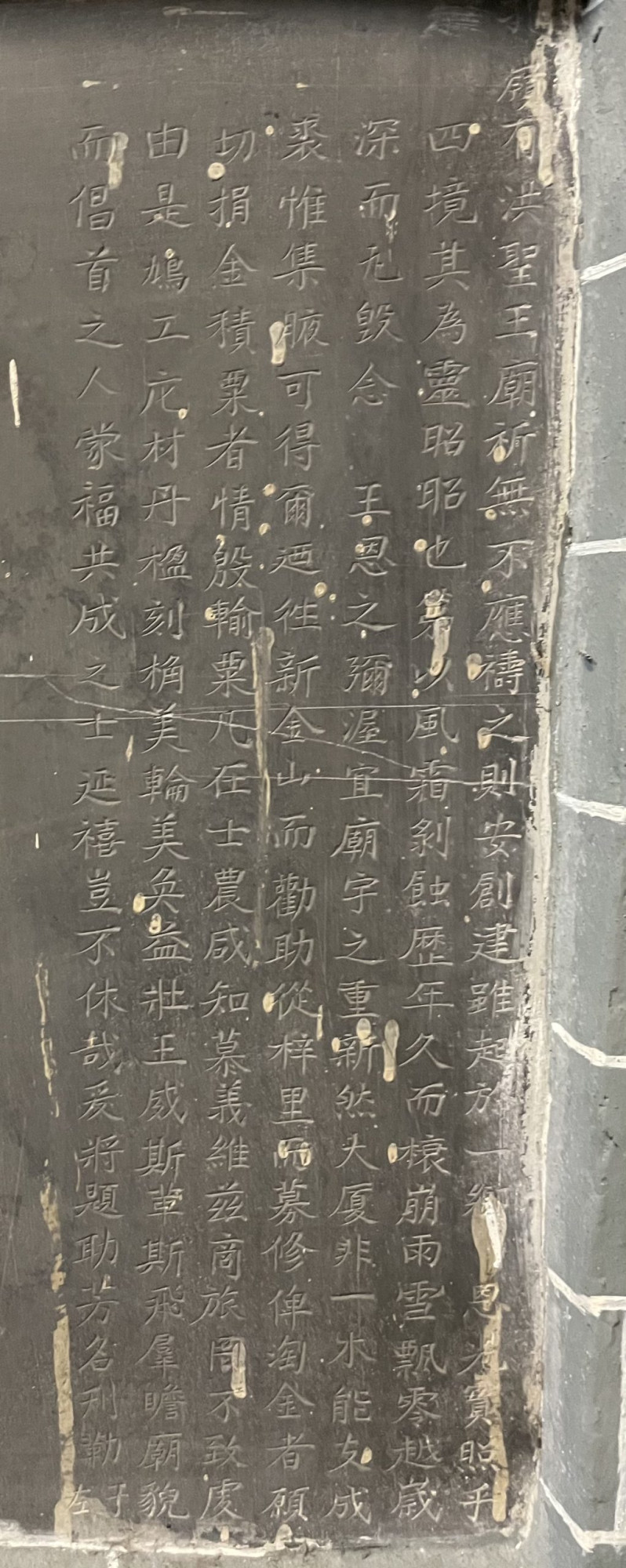
Some temples were originally dedicated by a single village, but later became the central temple of a larger alliance. For example, the inscription on the 1866 renovation stone tablet of Hung Shing Temple in Kung Ling records: “Though founded by one village, its blessings shine across all four boundaries.” This shows that after the formation of the Four Alliances of Ta Kwu Ling, Hung Shing Temple became their center. Other temples were jointly built only after alliances were formed, such as the Man Mo Temple in Sha Tau Kok (now destroyed).
Temples also served as places to publicly display official rulings in the event of village disputes, helping prevent future conflicts. Examples include the stone tablet in Kat O Tin Hau Temple “Stone-tablet-inscribed decree to be forever abided by, as delegated by the Guangzhou governor” and Tap Mun Tin Hau Temple “Yip and Chui Family Inheritance Stele”.
Additionally, inside Shan Tsui Hip Tin Temple stands a stone tablet commemorates the enthusiastic donations of villagers who were working across the world during its 1894 restoration, listing more than a thousand names..
2. Village Schools
The side chamber of the Kat O Tin Hau Temple once used as a classroom, today it is used as Kat O Story Room.
The side halls of Shui Yuet Temple at Tsat Muk Kiu were used as the campus of Kiu Shan School, now abandoned.
Shan Tsui Hip Tin Temple functioned as a private school, until a formal school building (Fuk Tak Study Hall Primary School) was constructed nearby in the 1950s.
Kuk Po Hip Tin Temple offers a unique case. In 1905 it stood at one corner of Lau Wai. In the 1930s, when the first principal Sung Ching designed Kai Choi School, he deliberately reserved space for Hip Tin Temple. Considering the broader context, it is believed he intended to use Kwan Tai worship to cultivate patriotic sentiment among students. The school building also incorporated defensive features, such as gun holes, and the rooftop included an escape route.
3. Lodging
It is said that martial arts masters once lodged at A Ma Wat Tin Hau Temple while teaching in Kat O.
Wu Shek Kok Tin Hau Temple, located beside the pier, was a resting place for passengers. In the past, only one early ferry departed daily for Yantian, so travelers would stay overnight at the temple before setting off the next morning.