Home
Home






Food | Traditional Uses of Rural Plants
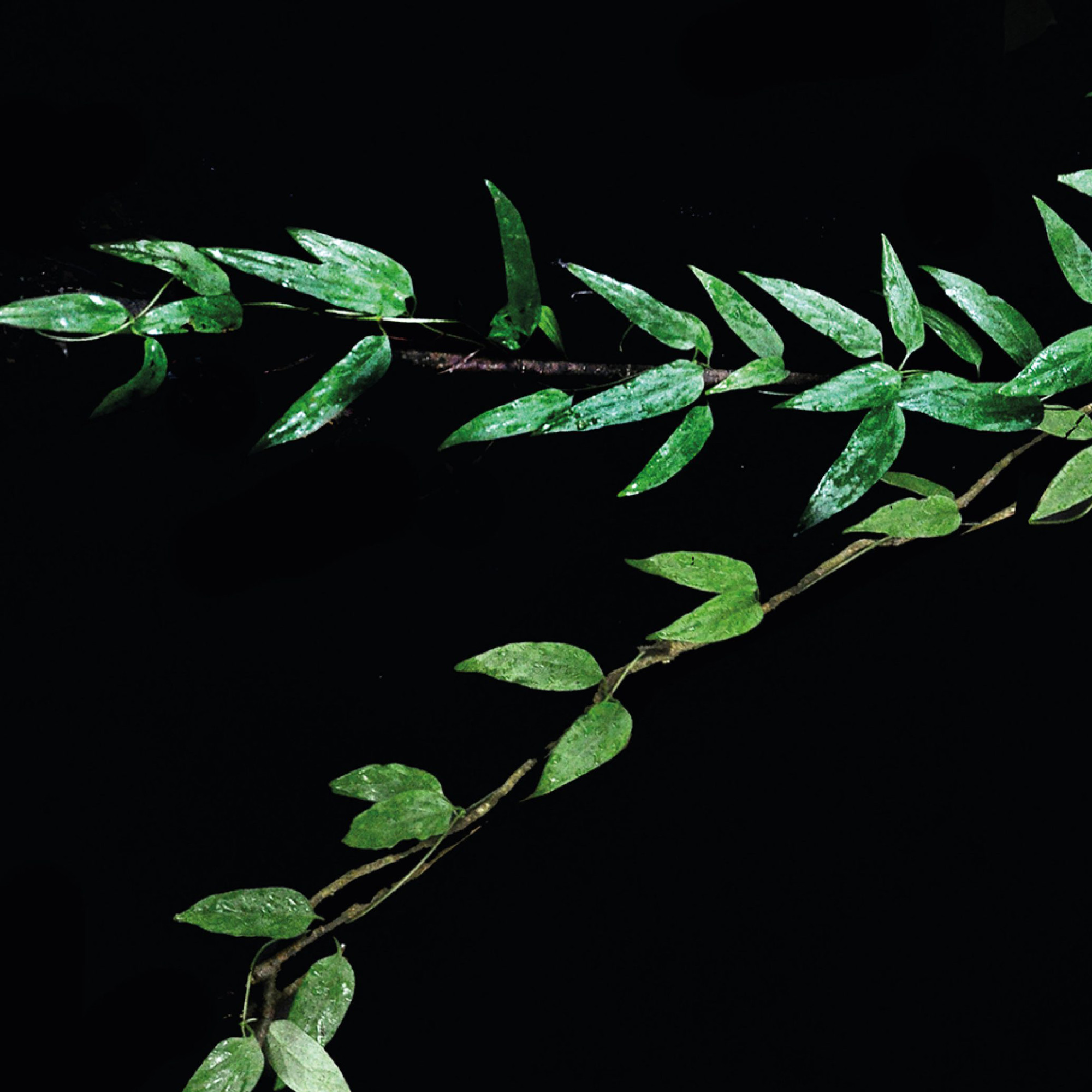
Chinese Fevervine
Its fresh sap emits an unpleasant odor reminiscent of chicken droppings, but once the plant is dried, it transforms into a pleasant fragrance—hence its nickname, “chicken‑fragrance vine.” The vine climbs over other plants or rocks and is widely distributed throughout the Lingnan region.
The Hakka people traditionally harvest the Chinese Fevervine around Ching Ming Festival, when its leaves are at their fullest, to make Chinese fevervine rice cake, also known as Ching Ming Jai. There is a saying: “Eat Chinese feverine picked at Ching Ming Festival to dispel the humid toxins in the body to prevent sores in summer.” making it a seasonal offering and food for ancestral tomb-sweeping rituals.
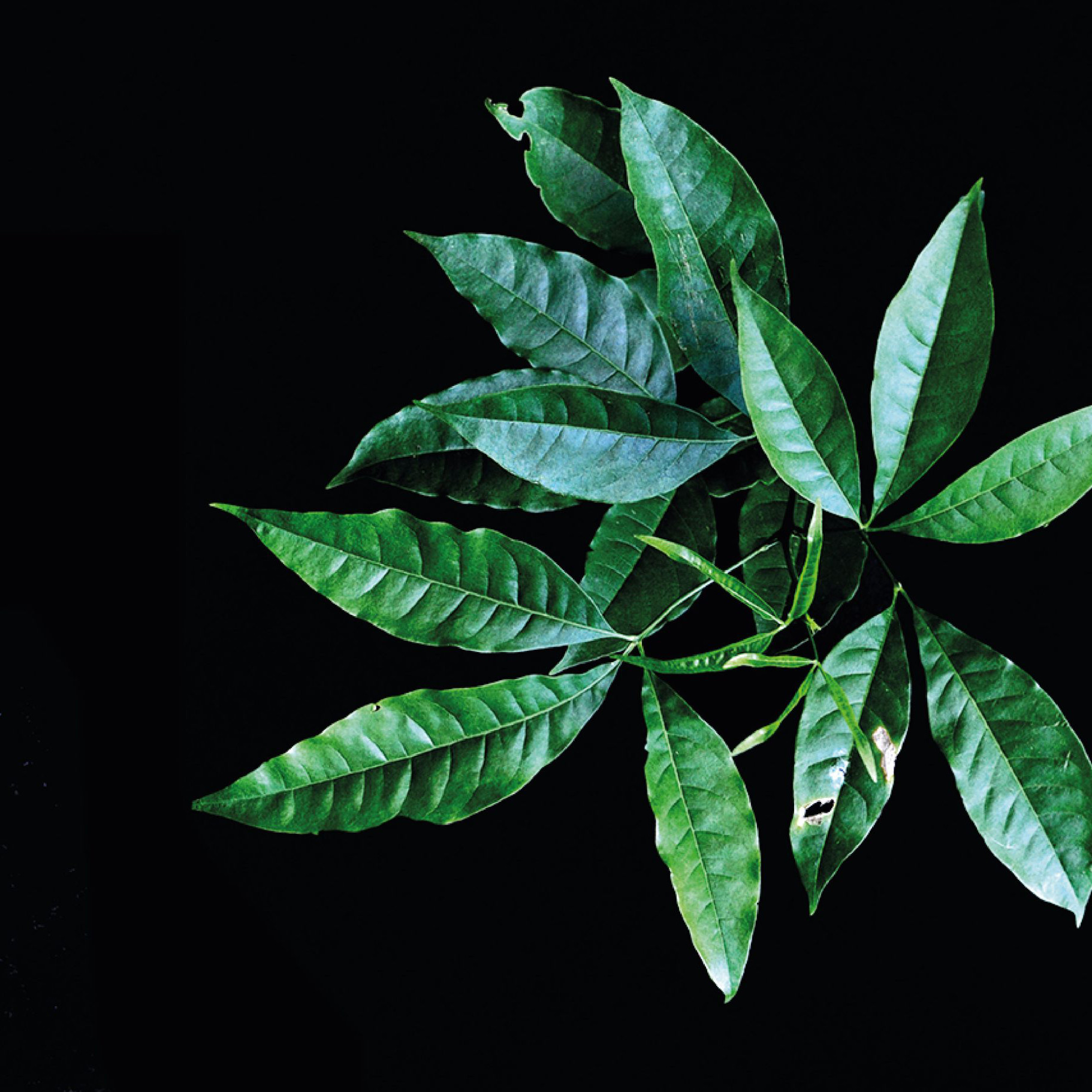
Thin Evodia
One of the main ingredients in the herbal drink known as “24 Herbs’ Tea,” the plant contains volatile oils and has a bitter taste that turns mildly sweet afterward. It helps relieve bruises, clear internal heat, and remove toxins. When dried together with leaves from plants like Ivy Tree and boiled as herbal tea, it is also used to prevent colds. The plant thrives in shaded, humid mountain valleys and bears small white flowers from May to June. It serves as a host plant for swallowtail butterfly larvae. Its name comes from its palm‑shaped trifoliate leaves and distinctly bitter taste.
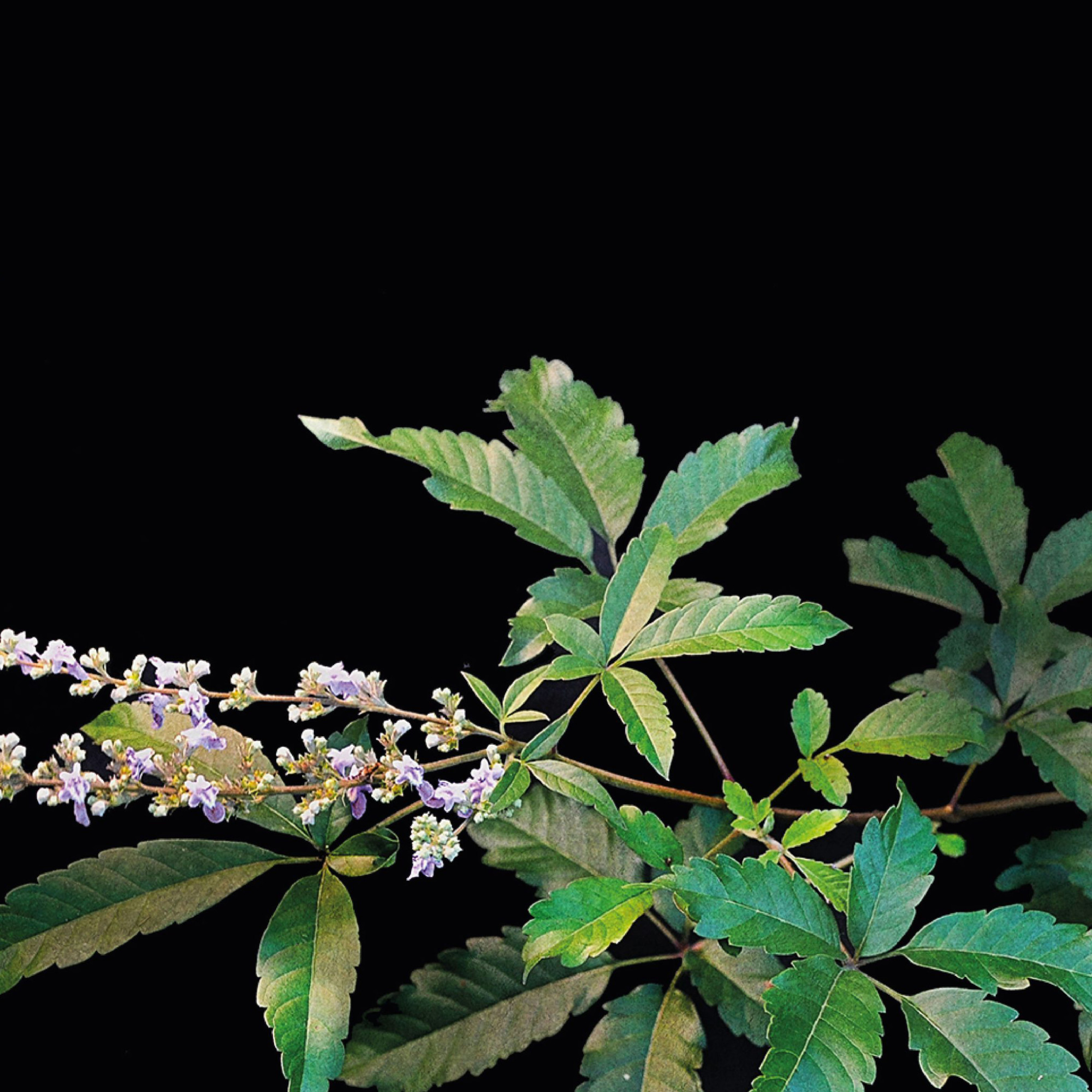
Vitex negundo L. var. cannabifolia
This ubiquitous wild plant is considered a versatile tool in Hakka households. Burning its branches and leaves can repel insects, and the leaves can be boiled for bathing, hair-washing, cleaning, mopping floors, or even brewing into tea. Fresh leaves are used medicinally for their anti‑inflammatory, swelling‑reducing, pain‑relieving, insect‑killing, and itch‑relieving effects. When brewed into a herbal tea, it helps clear internal heat, detoxify the body, and ease symptoms such as colds and headaches.