Home
Home






Ivy Tree
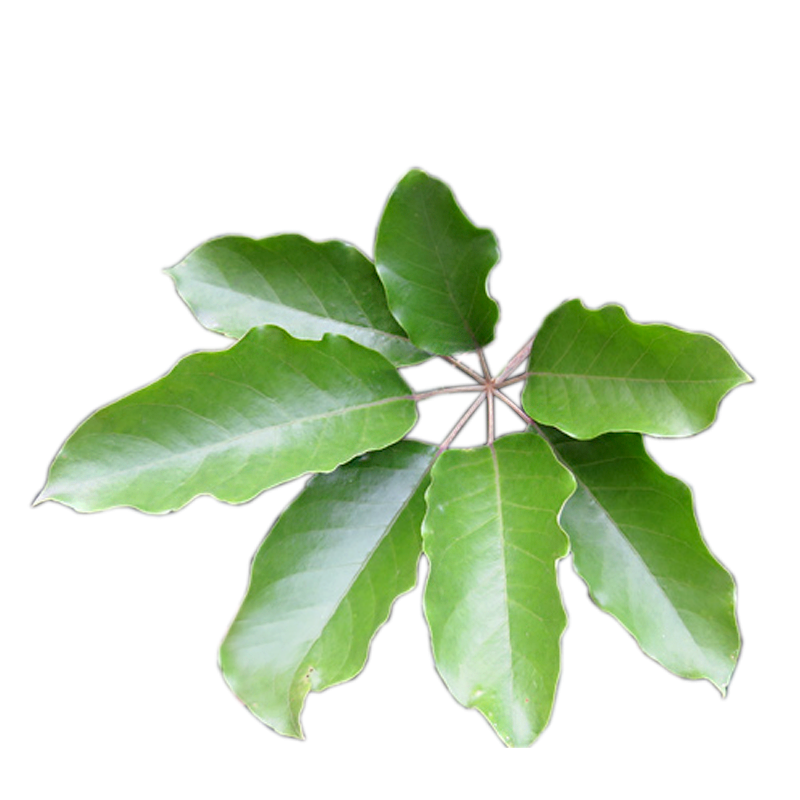
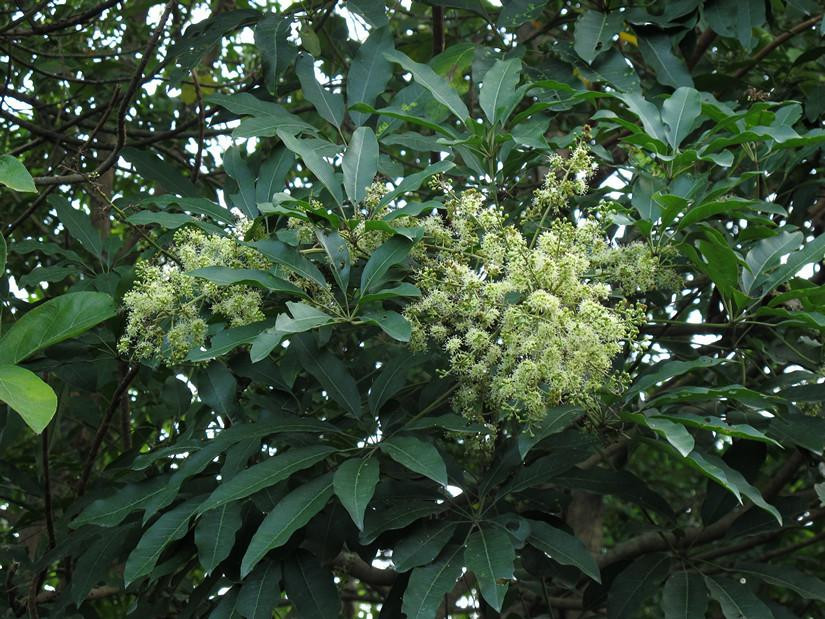
Ivy tree, known to Hakka people as Hip-giau-ma, is remarkably resilient and produces delicately scented flowers with a light, honey-like fragrance. Its nectar is pale amber in colour—sweet with a slight bitterness. The bark is a common ingredient in the Cantonese herbal tea “24 Flavours”, and is widely used in Lingnan traditional medicine. According to villagers in Lai Chi Wo, they would boil the bark to make water for bathing, believed to dispel “wind” and relieve discomfort.
Why, then, do Hakka people call this tree “ma” (literally “hemp”)? The answer lies in the ancestral culture of the Hakka. Influenced by nearly two thousand years of Heluo cultural tradition, Hakka people tend to classify natural objects by gender, paying close attention to subtle differences in the natural world. For example:
Shrimp are referred to only as male (there’s a “shrimp-gong” but no “shrimp-na”).
Ham-ma (toad) in Cantonese is called “hap-na”, with no corresponding “hap-gong”.
The fruit “nam/nim” is the Hakka word for “breast”; when fruits like red melastome, rose myrtle or twelve-stamened melastoma ripen, they resemble full breasts and are associated with femininity.
Ivy tree also comes in male and female forms. Hip-giau-ma refers specifically to the female tree.