Home
Home






Village Garden: A Conversation with the Design Team
"Have you ever had the thought: I just want to go home, sit down, and do nothing?"
For many city dwellers today, after a long and hectic day, all they want is to sit or lie down at home and let their minds rest. "Home" is a place where one can simply sit and relax. The "Prevention of Deterioration of Built Environment and Landscape Improvement in Lai Chi Wo Village" (hereafter the "Village Garden") was created by Lai Chi Wo villagers and partners from various sectors, built around this very idea of "home".
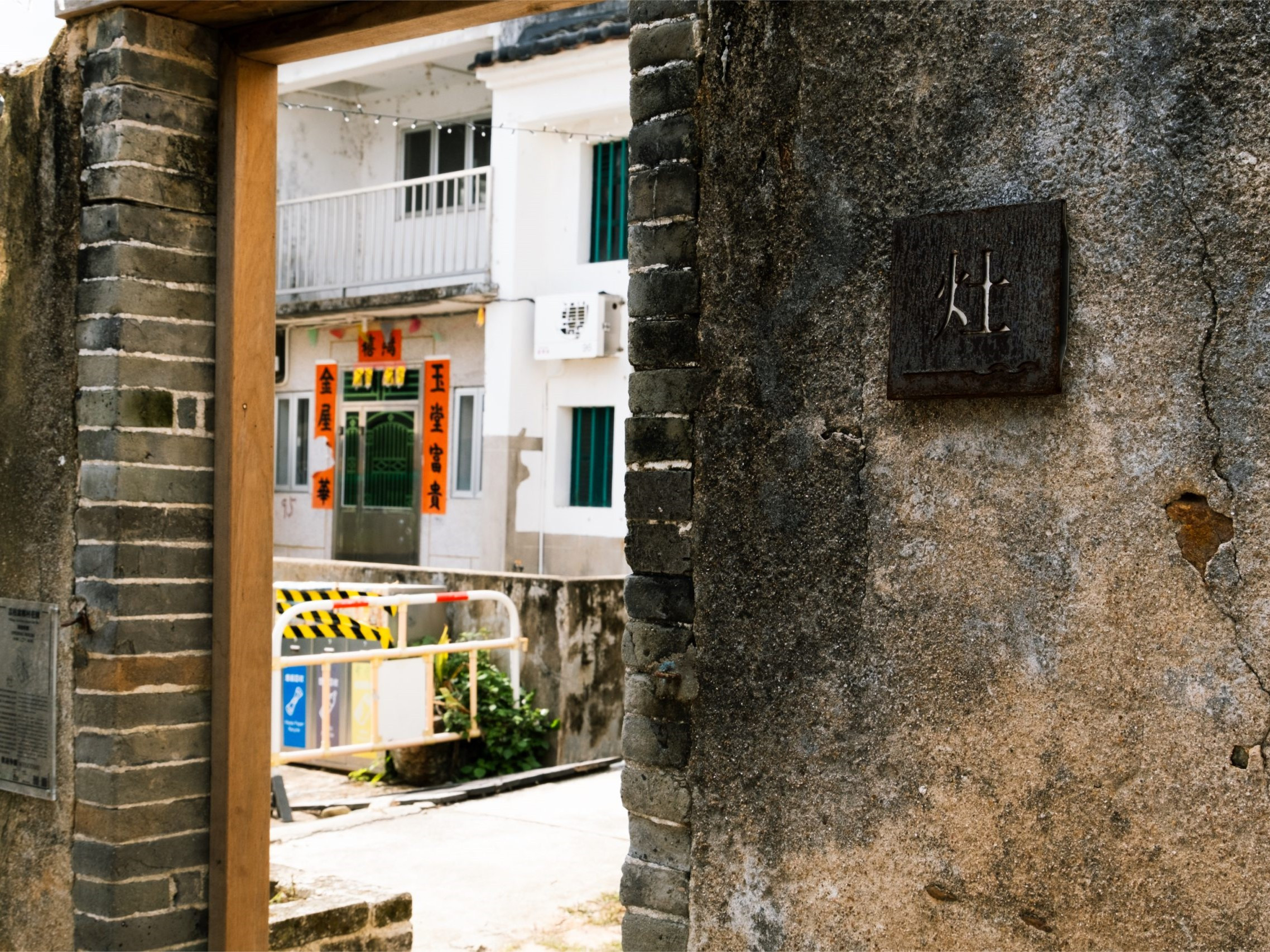
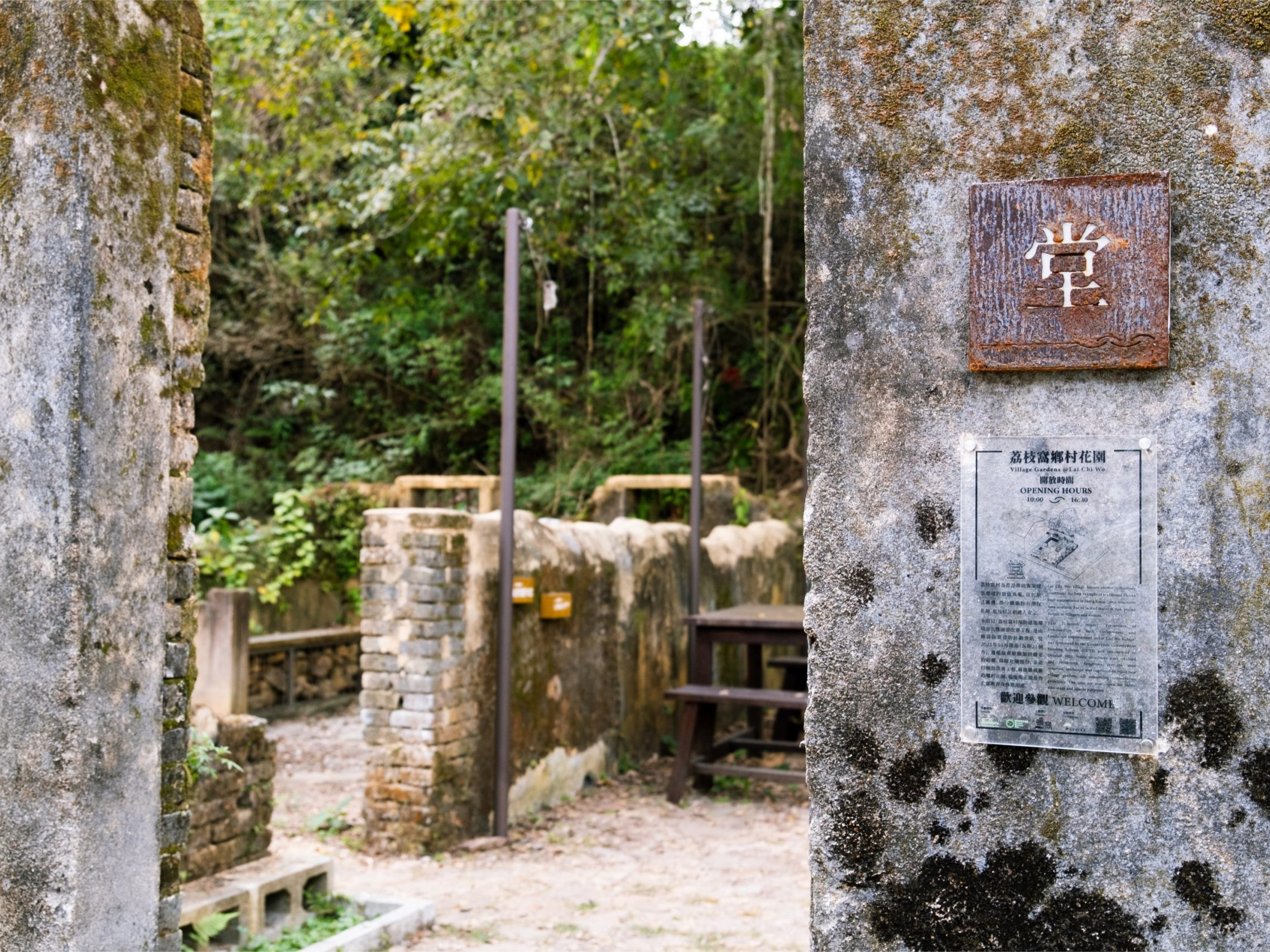
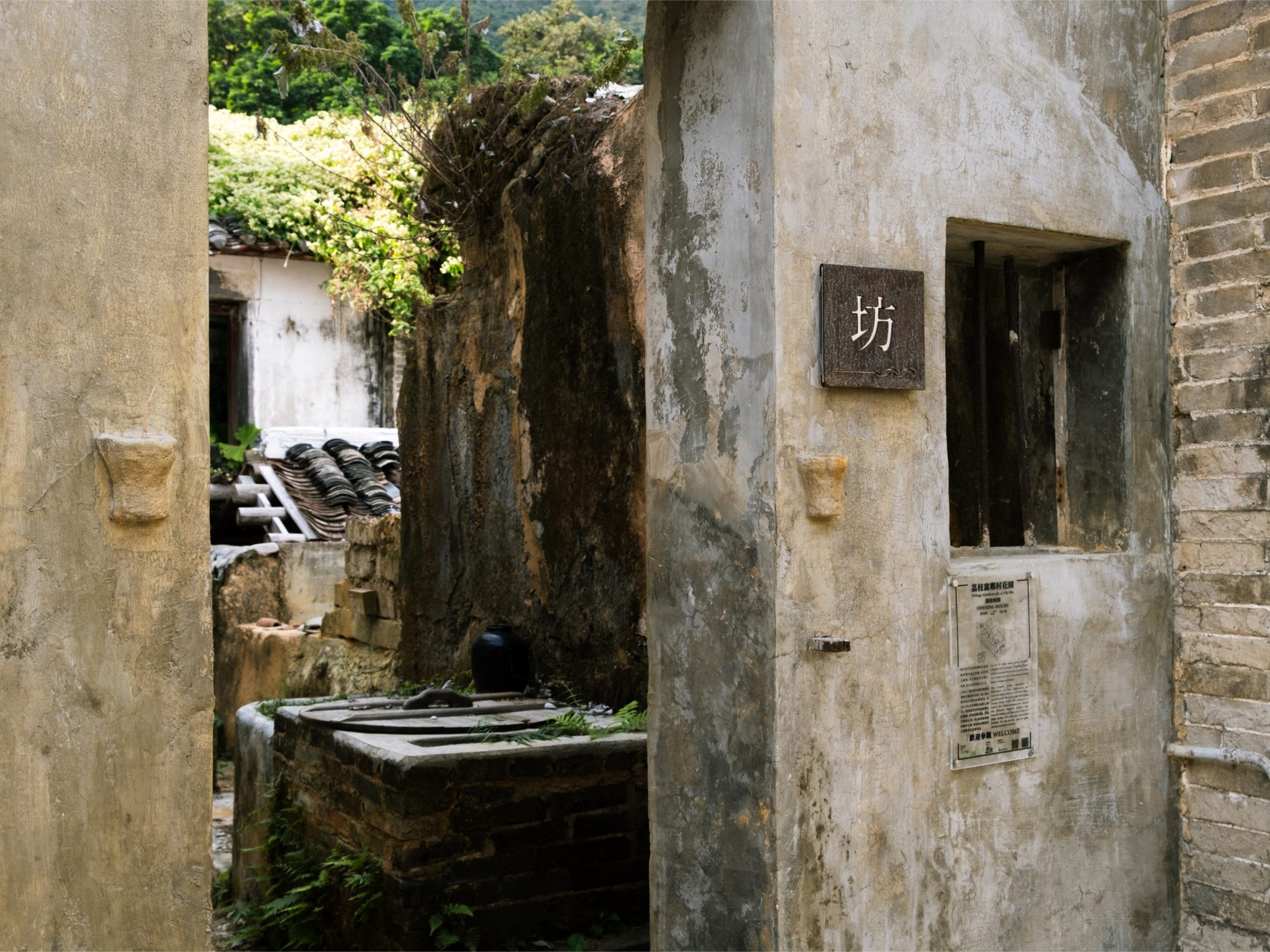
The project revitalised several dilapidated village houses and underused spaces that were difficult to restore, integrating public-space elements to allow every visitor to Lai Chi Wo to "sit for a moment, relax a little", and personally experience the stories embedded in these "homes". Since its opening in 2023, the Village Garden has brought three spaces back to life, each named according to its design character: Fong (Studio), Cho (Stove), and Tong (Hall).
But is a public space simply a place where people can "sit for a while"? Why emphasise the feeling of "home"?
"Even though villagers have moved away, and some have emigrated, we hope that when they return to Lai Chi Wo, they will feel, 'I'm home; I can sit and rest here'." This sentiment shaped the design philosophy shared by the design team and the villagers. They believed that genuine co-creation begins with respecting villagers' voices.
Throughout every stage of the project, villagers were actively involved. During the initial landscape design phase, designers visited different villagers and, during the pandemic, collected ideas via online meetings—from choosing repair materials to selecting local plant species for the three revitalised houses. As construction progressed, the team also gathered oral histories related to the houses, including Hakka living traditions and the stories behind each site. Villagers became part of the design team, and each of their ideas breathed new life into the old houses.
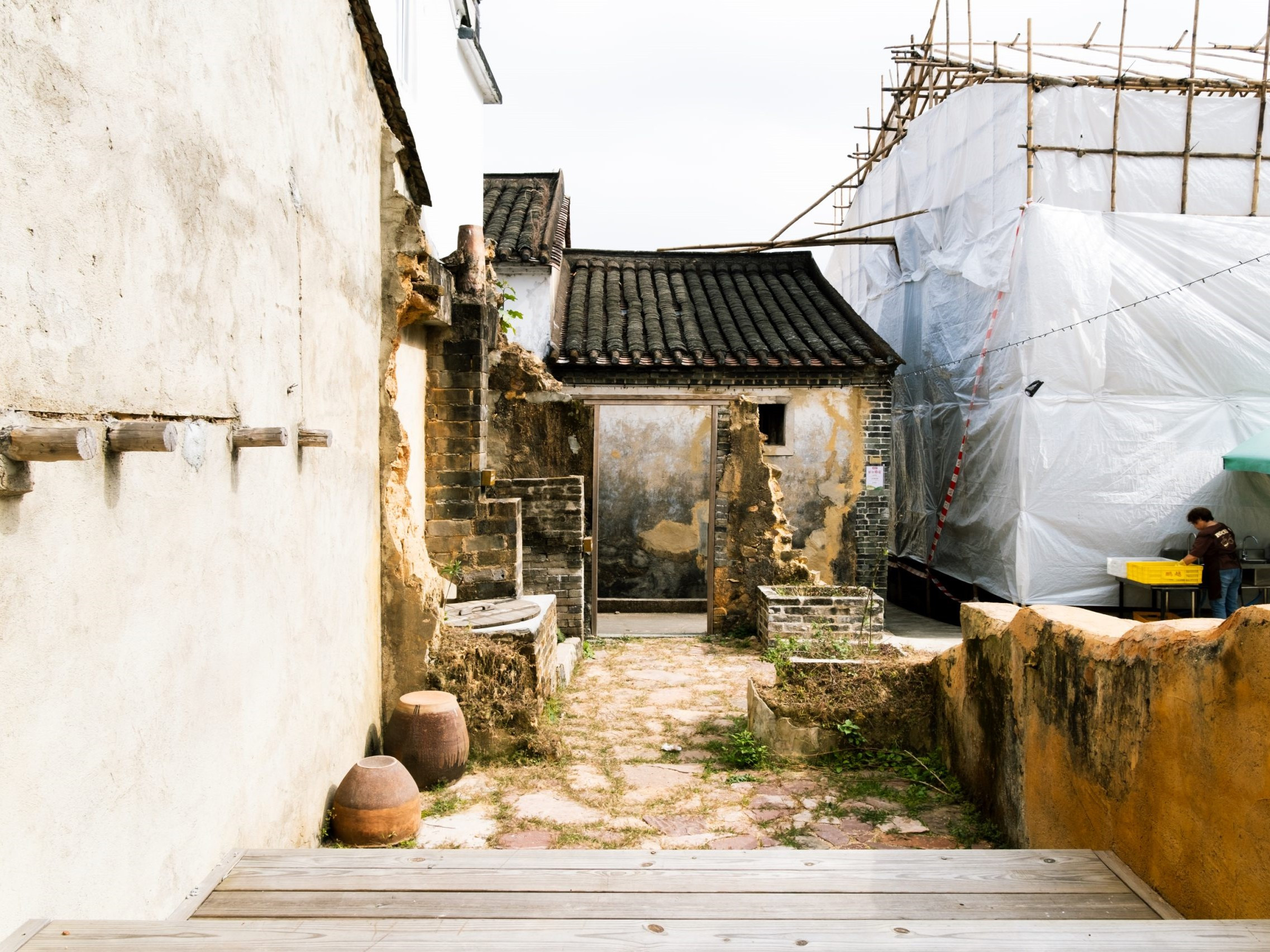
Because of construction safety concerns, however, the team had to give up some of the villagers' suggestions. For example, in revitalising Cho, some villagers hoped to retain the original roof. But after structural assessment, the contractor concluded that it posed a risk of collapse. The team had no choice but to remove it. Yet, during the process, a new idea emerged: the still-intact wooden roof beams could be given a second life. They rebuilt the beams into a stepped seating feature—a new place for people to "sit for a while".
"These thoughtful touches make visitors feel that the building has changed, and yet hasn't really changed—there's a sense of familiarity," the project team noted when discussing Cho.
"The layout of each zone inside the house was very clear. Even after removing the roof, beams, and attic boards, the remaining traces allowed me to imagine the structure of a traditional Hakka house through this new space."
Perhaps the Village Garden is already passing on Hakka culture, and that the passing on does not necessarily mean freezing time. If we adapt with the times and incorporate new ideas, these spaces can become bridges through time—allowing the past and present to meet, and enabling us to imagine the future.
We hope that you, who is reading the story now, will also visit Lai Chi Wo one day and join us in the Village Garden to "stroll around, sit for a moment, and relax a little".