Home
Home






Tools | Traditional Uses of Rural Plants

Dwarf Mountain Pine
Its branches can be tied together to make brooms. It grows on hillsides facing the sun, and when the leaves are crushed, they release a fragrance reminiscent of White Flower Embrocation (commonly known as Pak Fah Yeow). The plant can also be used to extract aromatic oil and produce tannin.
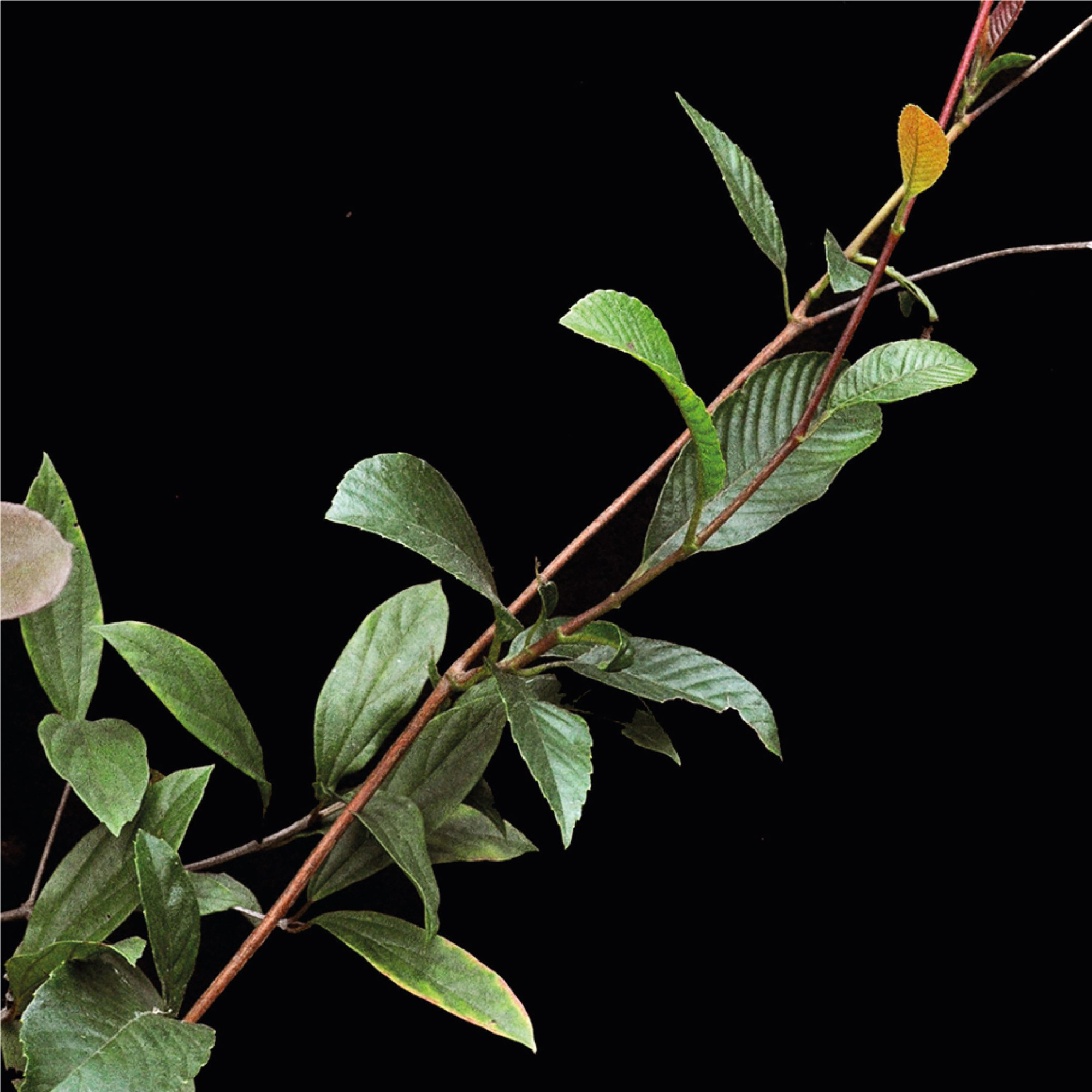
Sandpaper Vine
Both surfaces of the leaves are rough, so in the past, villagers used them to scrub cooking pots and polish tinware. The plant is commonly found on barren hills, sparse woodlands and among shrubs at low altitudes.
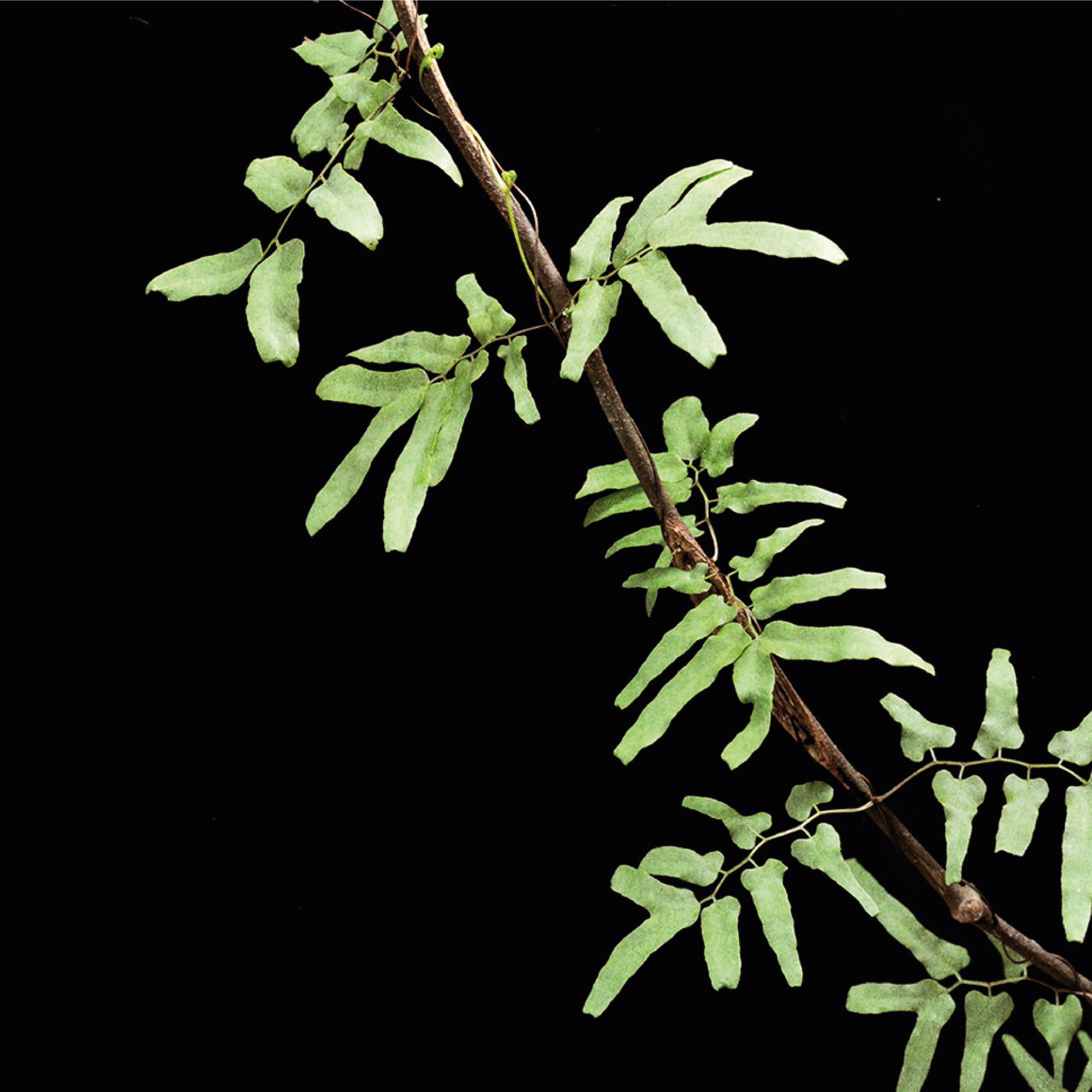
Climbing Fern
A vine that climbs around other plants. When the leaf stems are bundled and trimmed to uniform length, they become natural brushes, perfect for cleaning pots.
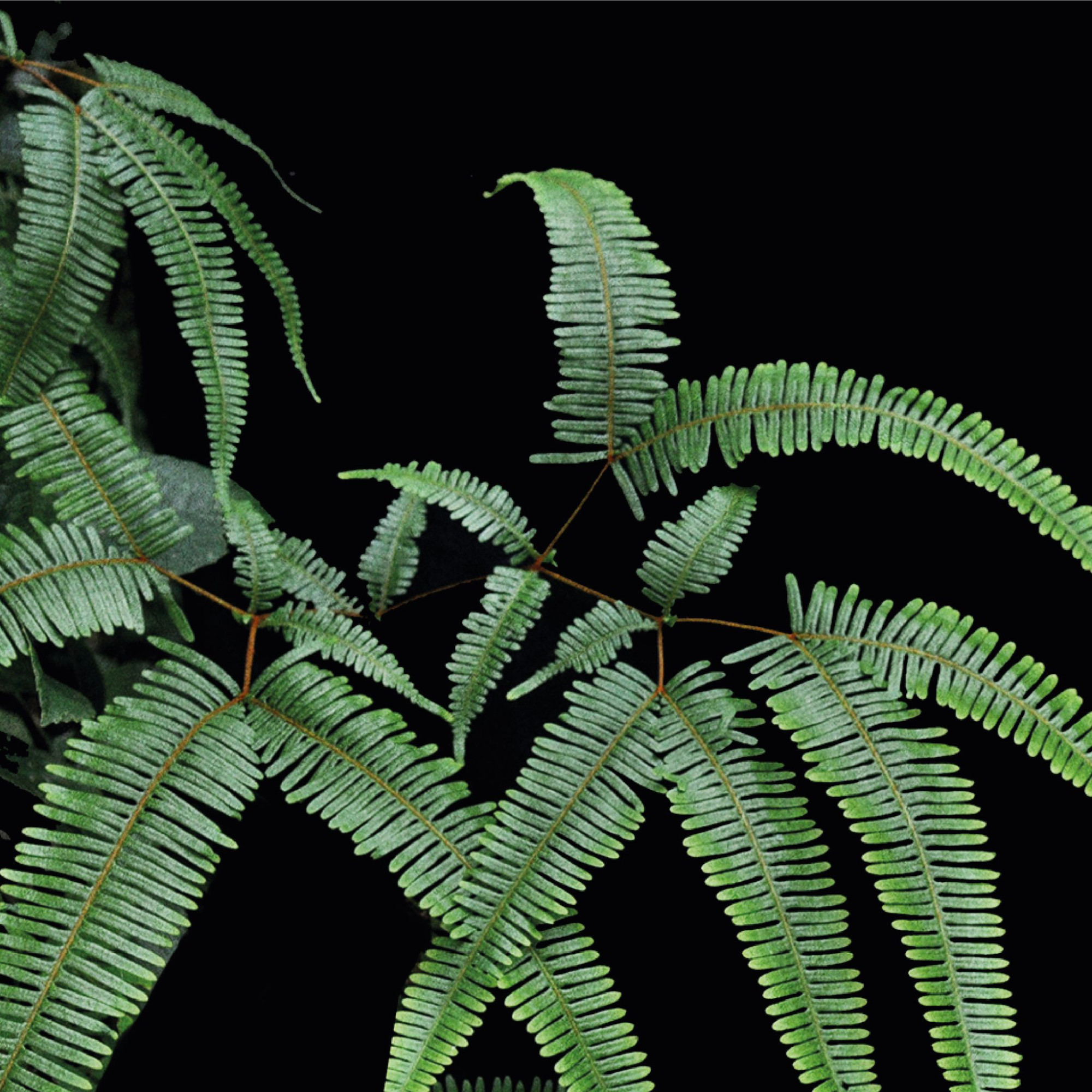
Dichotomy Forked Fern
The withered fern serves as a highly flammable fuel. It grows along forest edges, tolerates droughts and soil infertility, and is one of the most common ferns found on wastelands. The branches of the plant are elastic and suitable for weaving. In the past, villagers collected and stacked various kinds of dried branches on the flat ground behind their houses, cutting extra on fine days to store for later use. Straw was considered more valuable and kept for feeding cattle during winter, while the Dichotomy Forked Fern, which has a high growth capacity, was mainly used as daily cooking fuel. Firewood, on the other hand, was used for cooking methods that required longer cooking times, such as boiling and steaming.