Home
Home






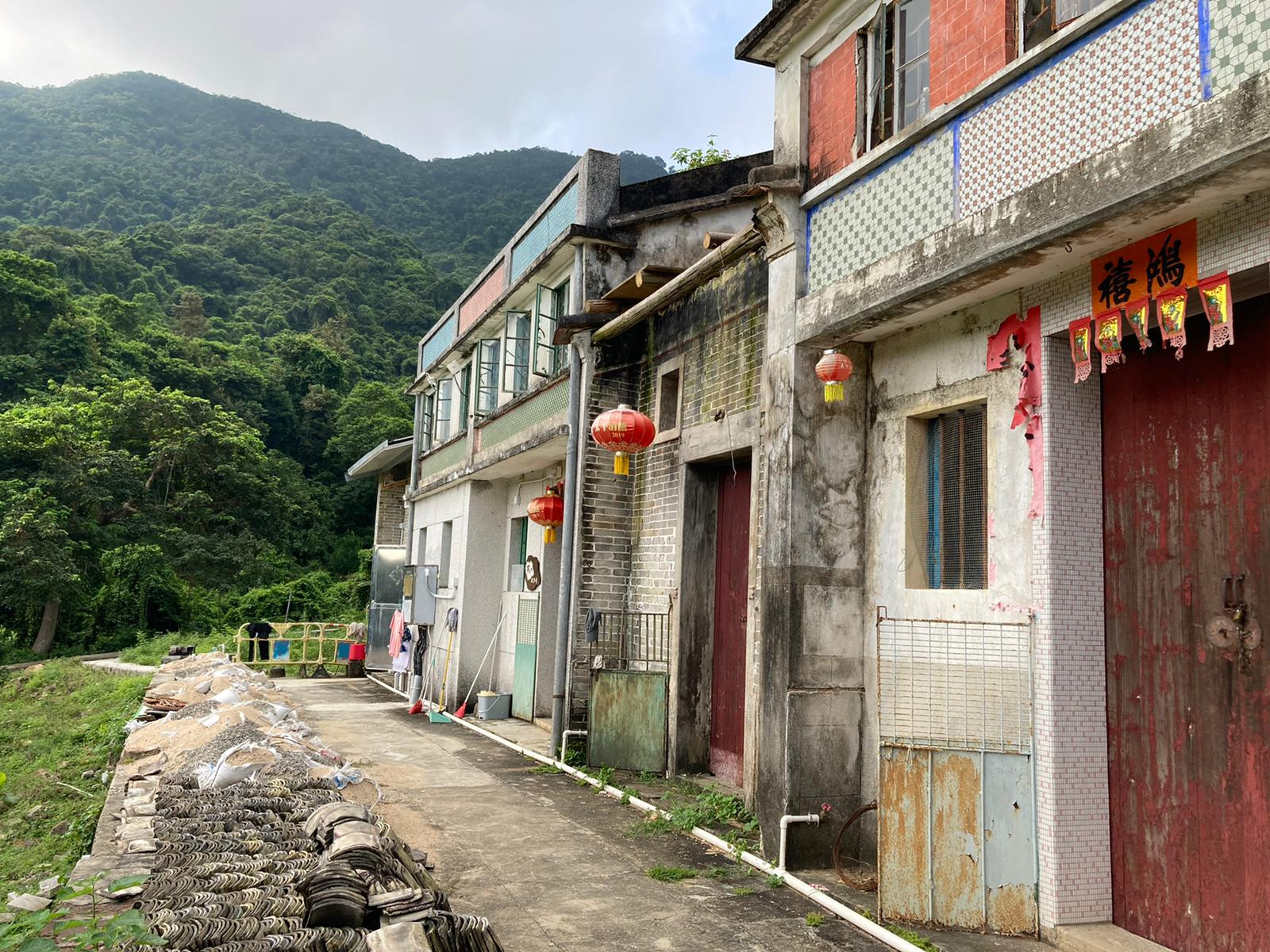
Mui Tsz Lam: Then and Now
Cooling Off Over Dinner
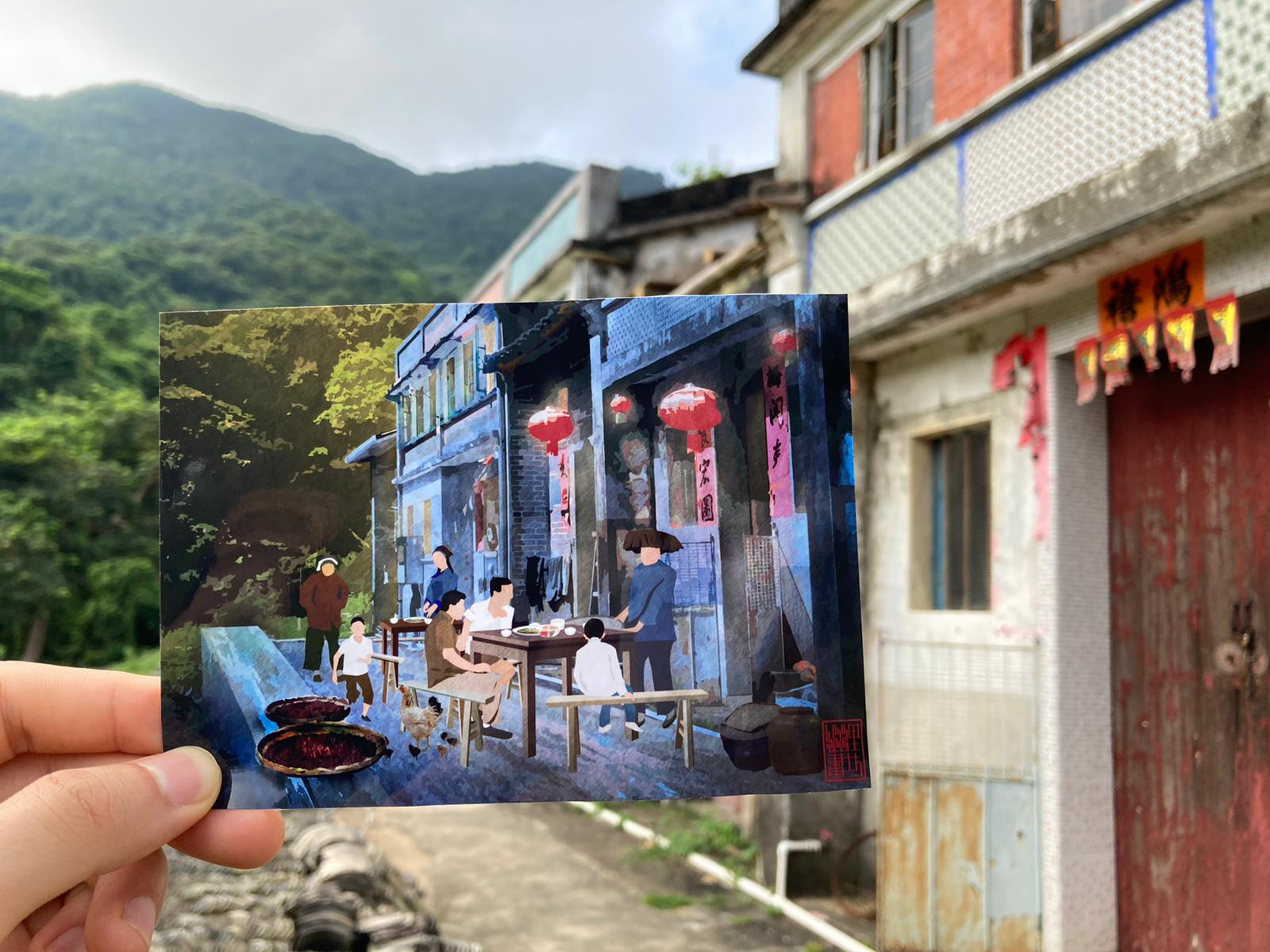
Around dusk, the kitchens of Mui Tsz Lam—where wood fires were used for cooking—became unbearably hot. So villagers would simply carry their tables and stools outside to enjoy the evening breeze while having dinner. After a long day working in the fields, families sat together overlooking the terraced slopes glowing under the setting sun, sharing food and company in complete contentment.
The food was what we would now call "eat local": in summer, a common dish was dried-radish soup with small pond fish—fish caught from the nearby bay, paired with radish preserved from the previous winter’s harvest.
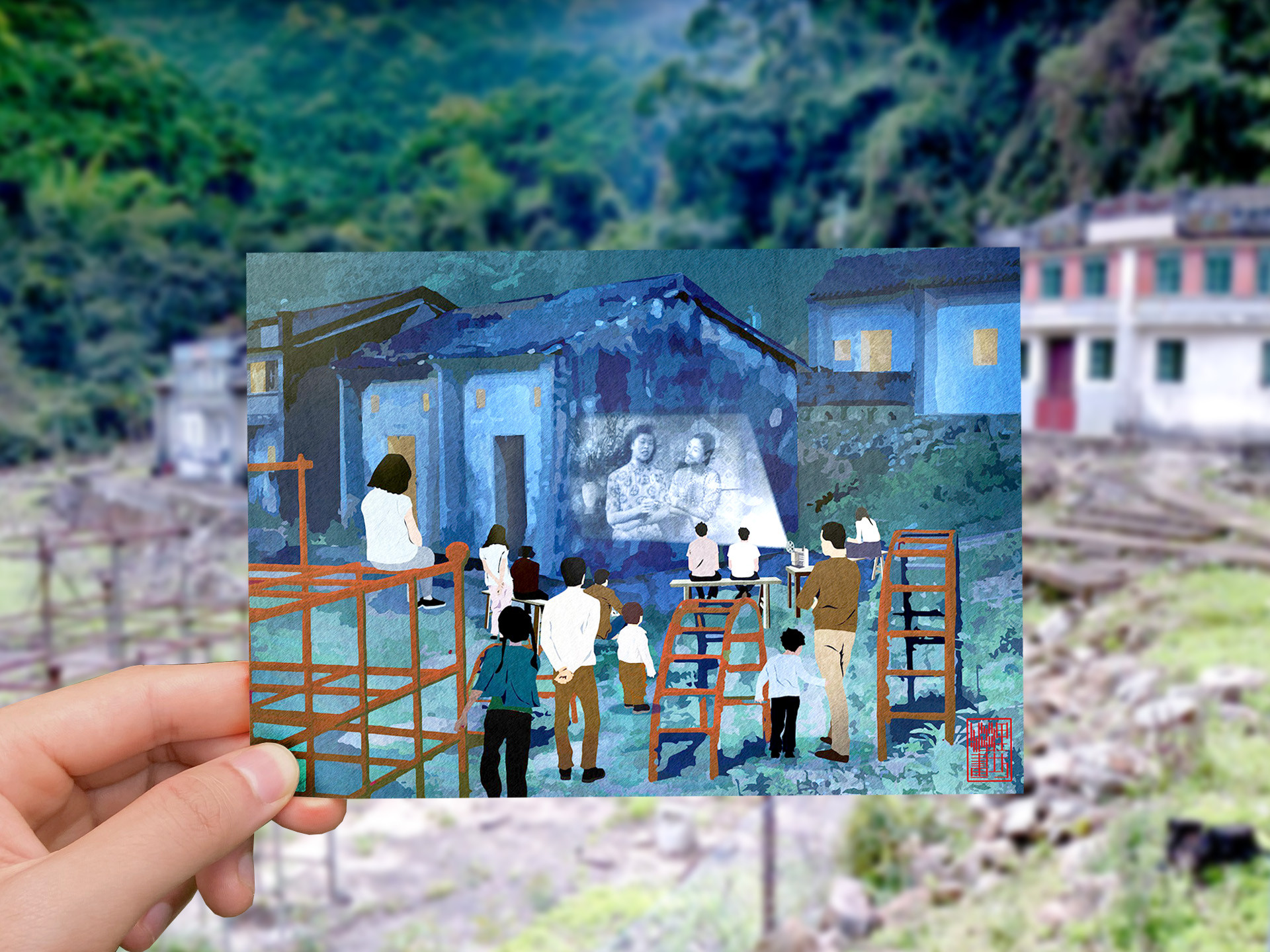
Watching Movies by the Housefront
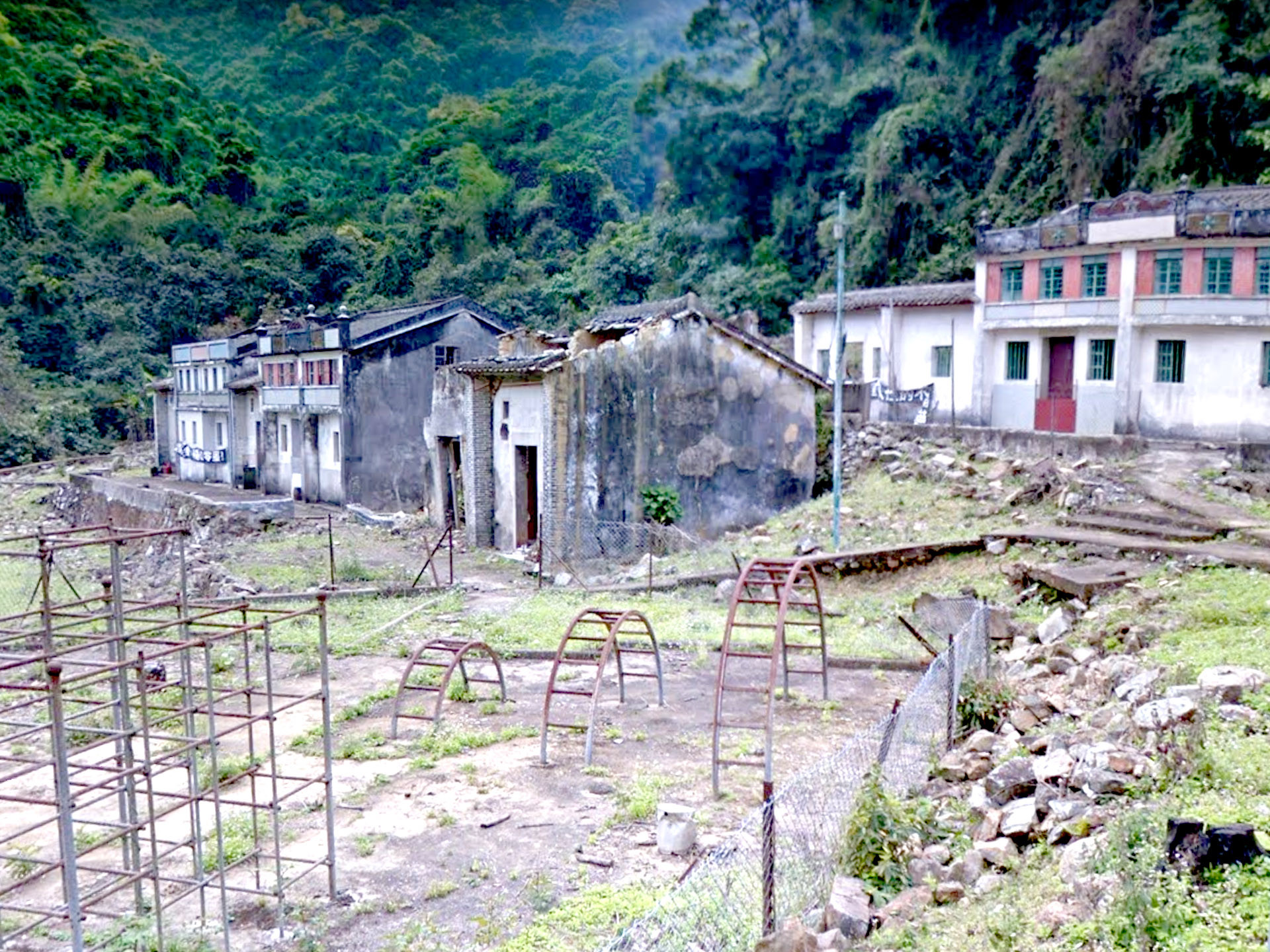
Occasionally after dinner, government staff would come to screen movies in the village. With no projection screen available, the images were cast directly onto the wall of a house beside the newly built playground. Children were, of course, the most excited—some brought stools, some climbed on frames—and within moments, 20 to 30 villagers, nearly half the village, gathered to watch together.
As the village representative and villagers recall, they were all still children then, and barely remember what movies were shown—only the feeling of the moment.
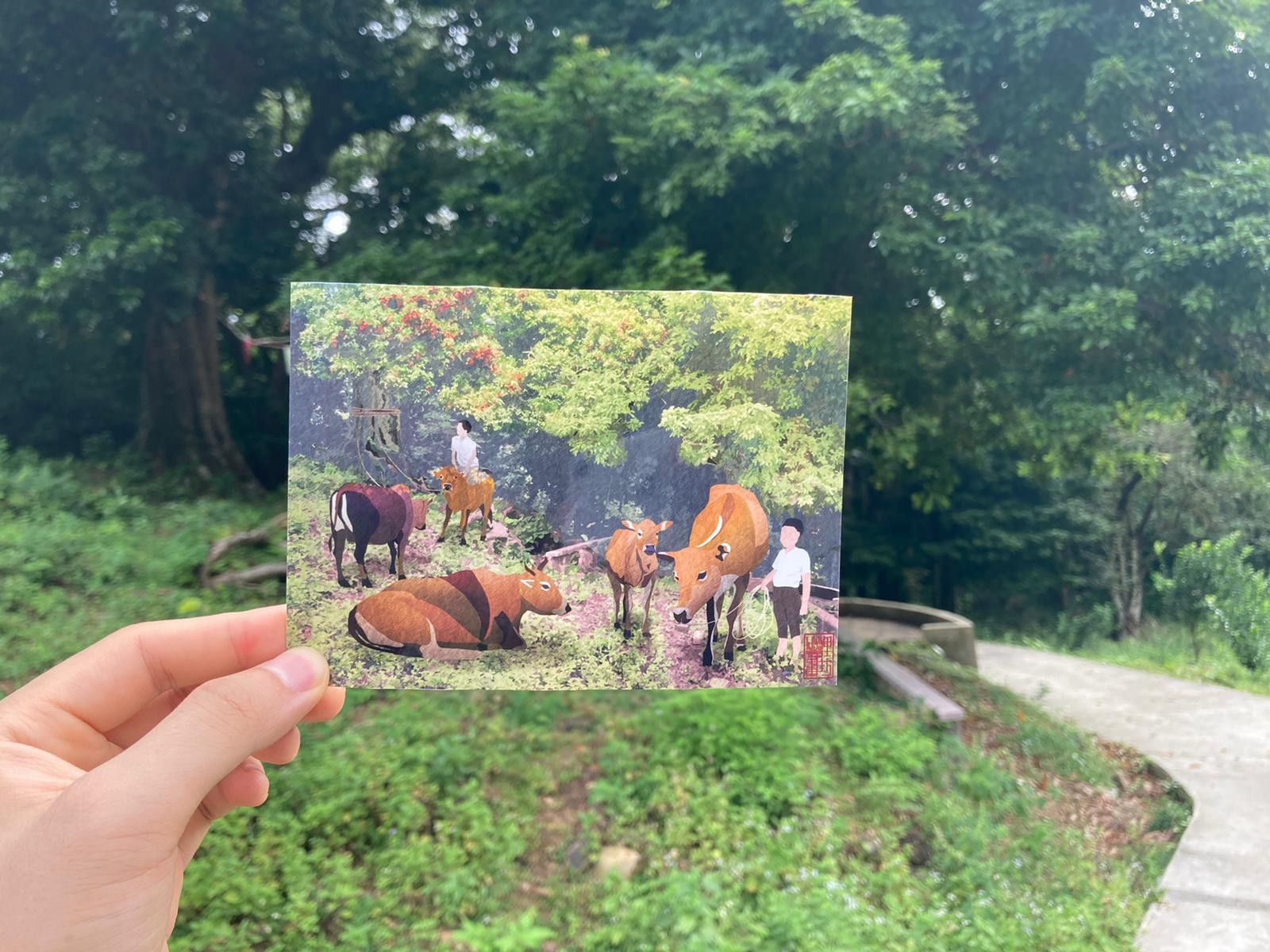
Under the Tree, Watching the Cattle
In those days, parents worked the fields while the young children, after school, were responsible for herding and watching the cattle. Cattle-watching was its own kind of freedom: after driving the cows up the hill to graze, the children played hide-and-seek nearby, gazing at the terraced fields and Yan Chau Tong below, or singing mountain songs.
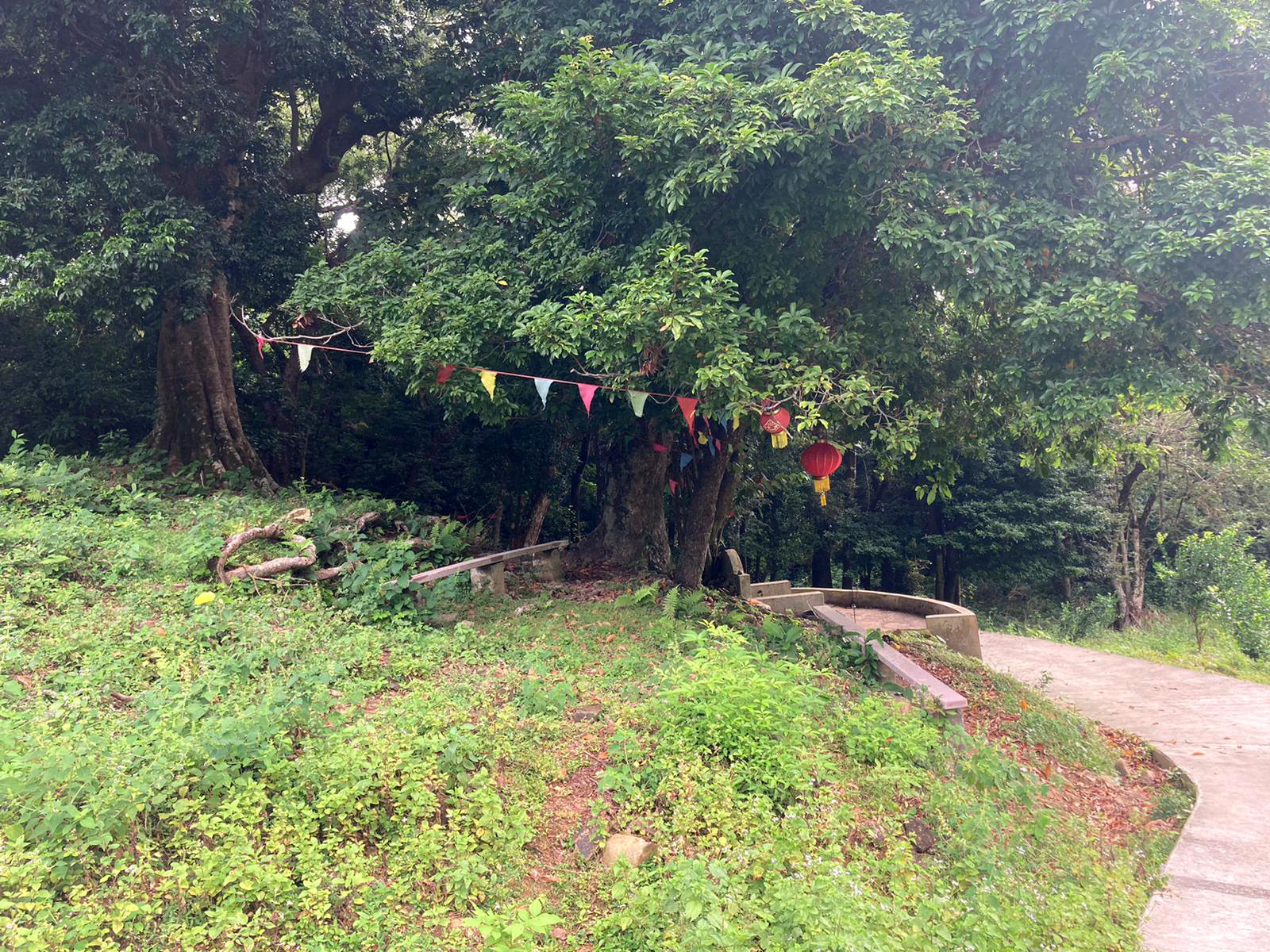
The village's famed "Lychee King" tree was a popular spot for tying up cattle. It's said that because cows gathered there and enriched the soil, the lychee tree naturally grew exceptionally well.
The Old Ancestral House
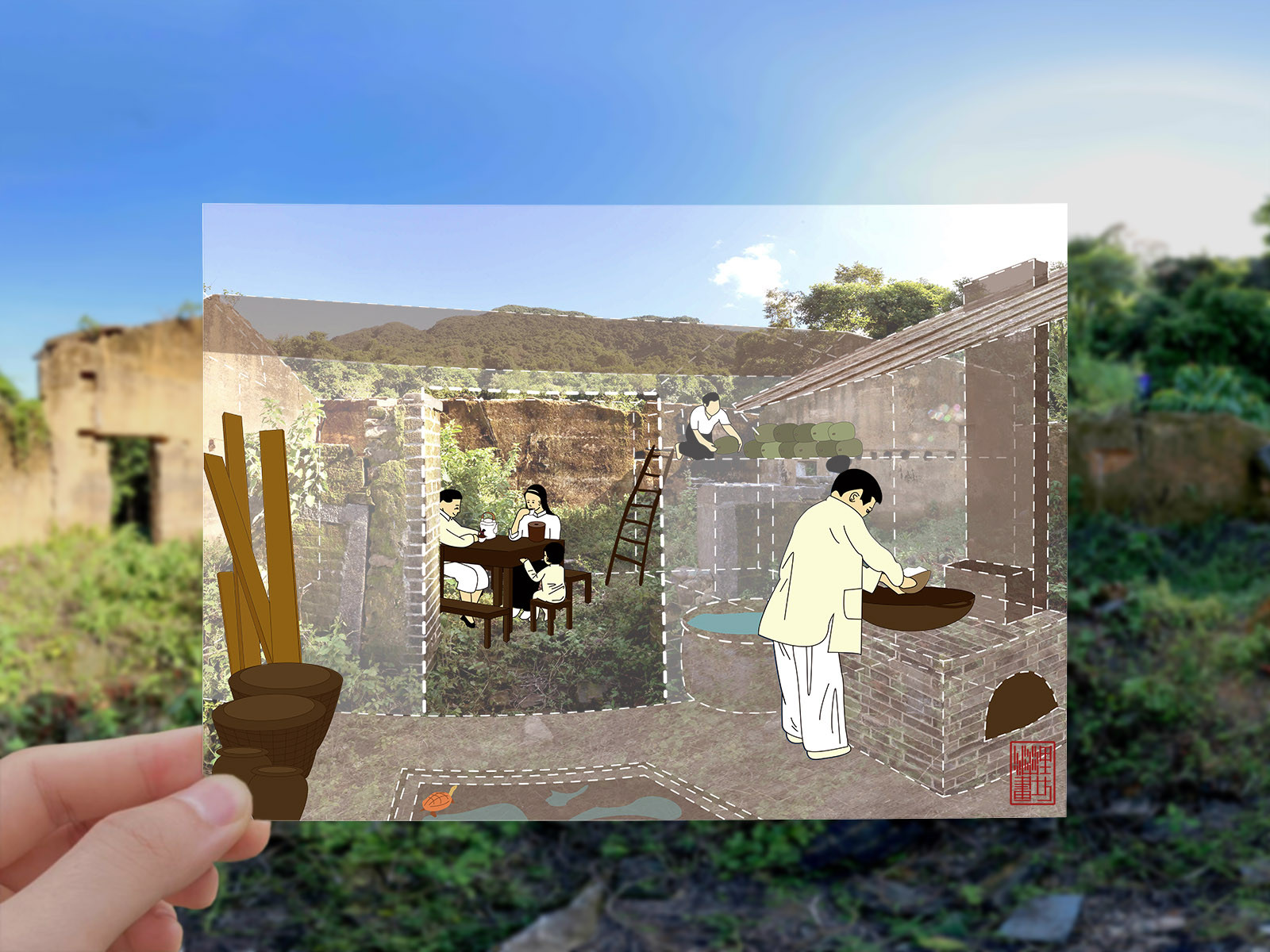
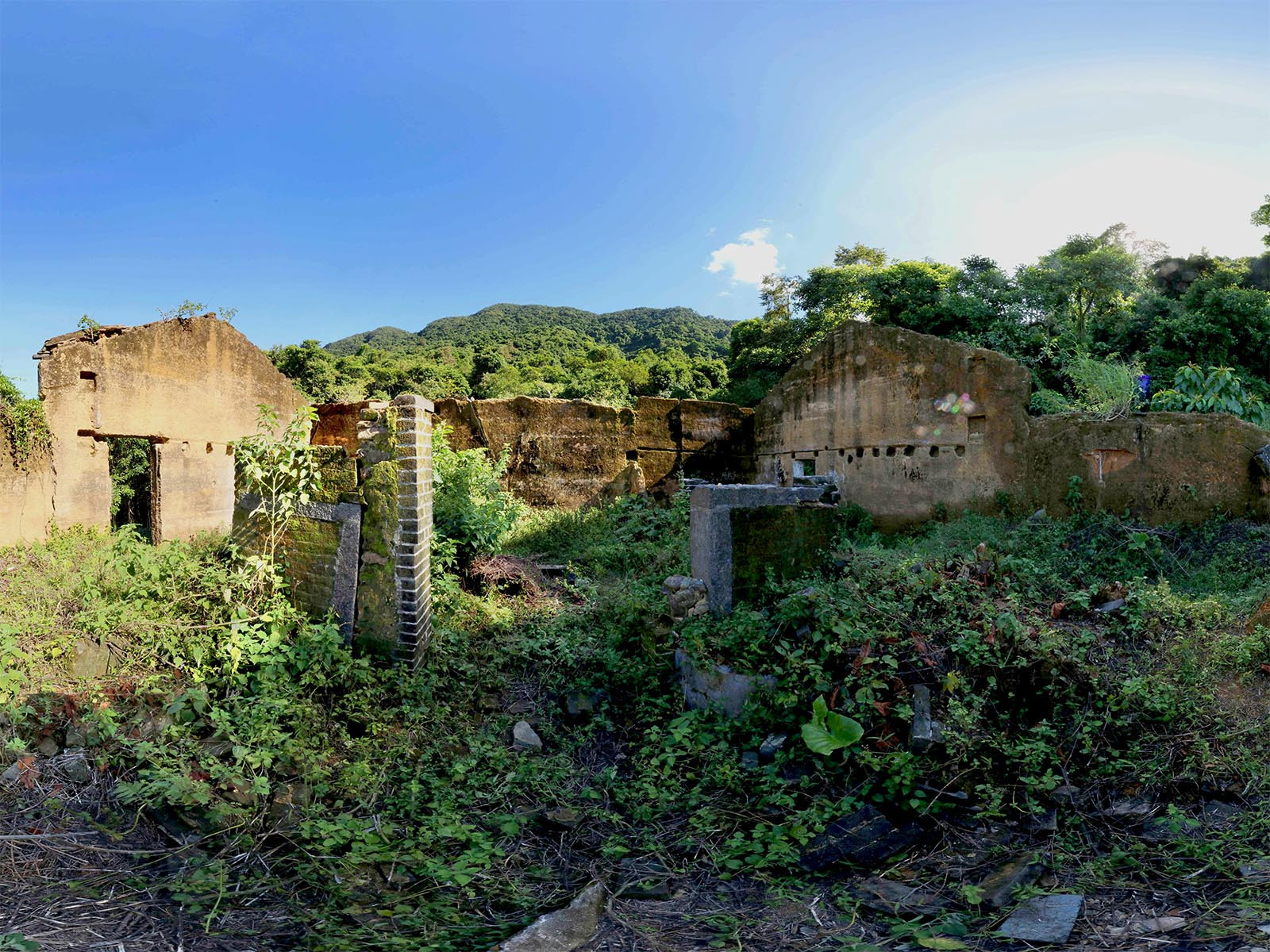
Time has passed, and the roof of the ancestral home has long since collapsed. Confronting the ruins, one might admire their quiet beauty—and imagine the lives once lived within. After student volunteers cleared the debris, the granite floor at the centre of the house re-emerged. Beside the open courtyard were the stove, chimney, and a later-added water vat; on the other side were storage areas for jars and timber beams.
Further inside stood the high-ceiling main hall. According to the village representative, his family would sit around an Eight Immortals table for tea here during his childhood. Up the ladder to the loft were ten or so large winter melons stored for the season. With their thick skins and long shelf life, they were ideal for keeping through winter—hence their name, "winter melons".