Home
Home






Co-creating a Village Revitalisation Style: Village Representative Tsang Yuk-on of Mui Tsz Lam
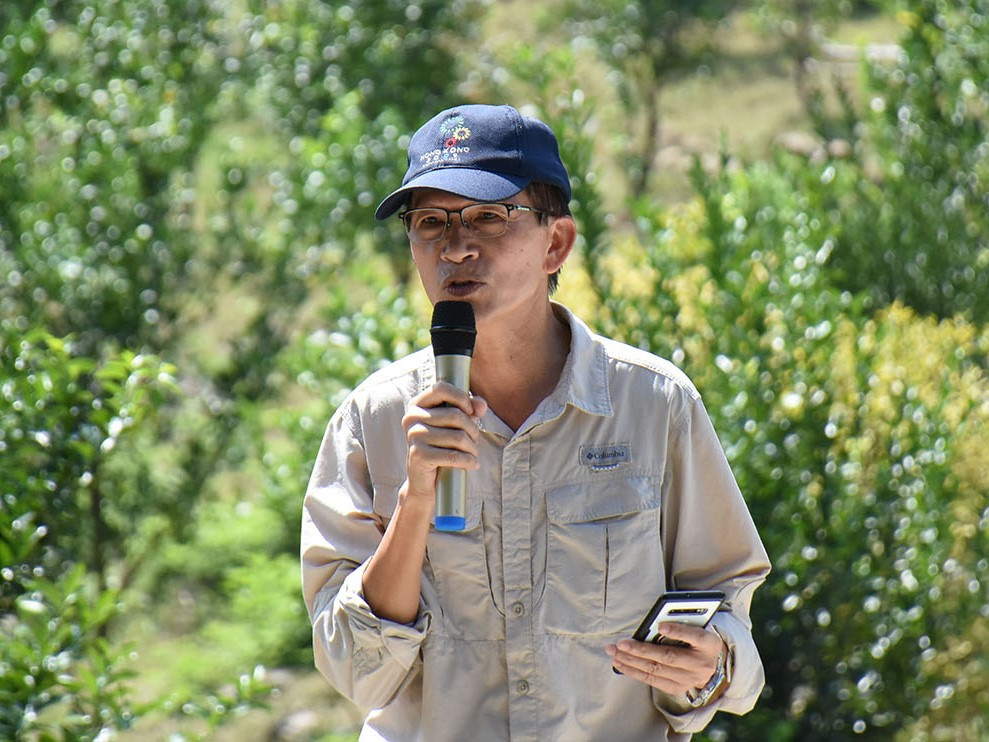
The revitalisation of countryside villages around Sha Tau Kok began in Lai Chi Wo. As its revitalisation efforts started to bear fruitful results, neighbouring villages saw that "revitalising a village" was in fact possible. It was in this context that Mui Tsz Lam began its own journey of village revitalisation.
Village representative Mr. Tsang Yuk-on recalls that, in the early planning stages, Mui Tsz Lam had diverse views on how to proceed—especially since most of Lai Chi Wo's revitalisation work at the time had been led by external organisations. But as Mui Tsz Lam's own projects gradually took shape, village spaces were brought back into use, and the overall environment noticeably improved.
Each of the revitalised villages near Sha Tau Kok has developed a distinct character: Lai Chi Wo through its agricultural rehabilitation, Ap Chau through the influence of its church-based community, and Mui Tsz Lam through its strong sense of human warmth and personal connections.
The village's murals, refurbished houses that incorporate new architectural design ideas, and the long-term support of dedicated volunteers have all emerged from the joint coordination of the village representative and multiple stakeholders. One example is the "Mural House", restored by the Chinese University of Hong Kong's School of Architecture as an experimental architectural project, which allows Mui Tsz Lam not only to preserve its old village houses but also to reimagine them with new functions that invite others to visit.
Through sustained collaboration and participation from many parties, Mui Tsz Lam has gradually shaped a distinctive and recognisable community identity.