Home
Home






Clothing | Traditional Uses of Rural Plants
Ramie
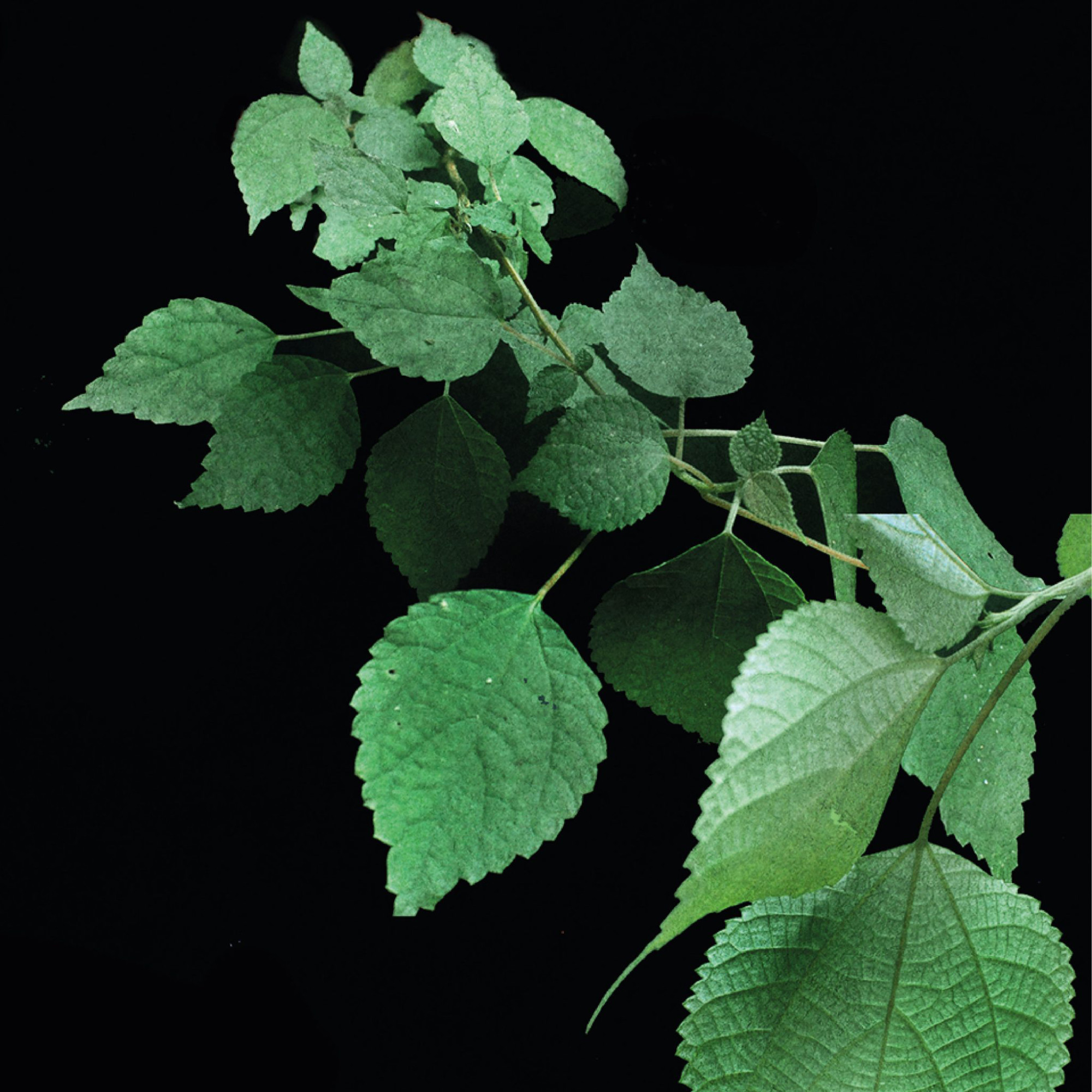
Ramie is a resilient plant that grows almost everywhere. Its leaves can be used to feed pig or made into Hakka rice cakes. The stems, after soaking, drying, and scraping, can be processed into hemp rope, and even woven into cloth, clothing, and footwear.
Dyeing Yam
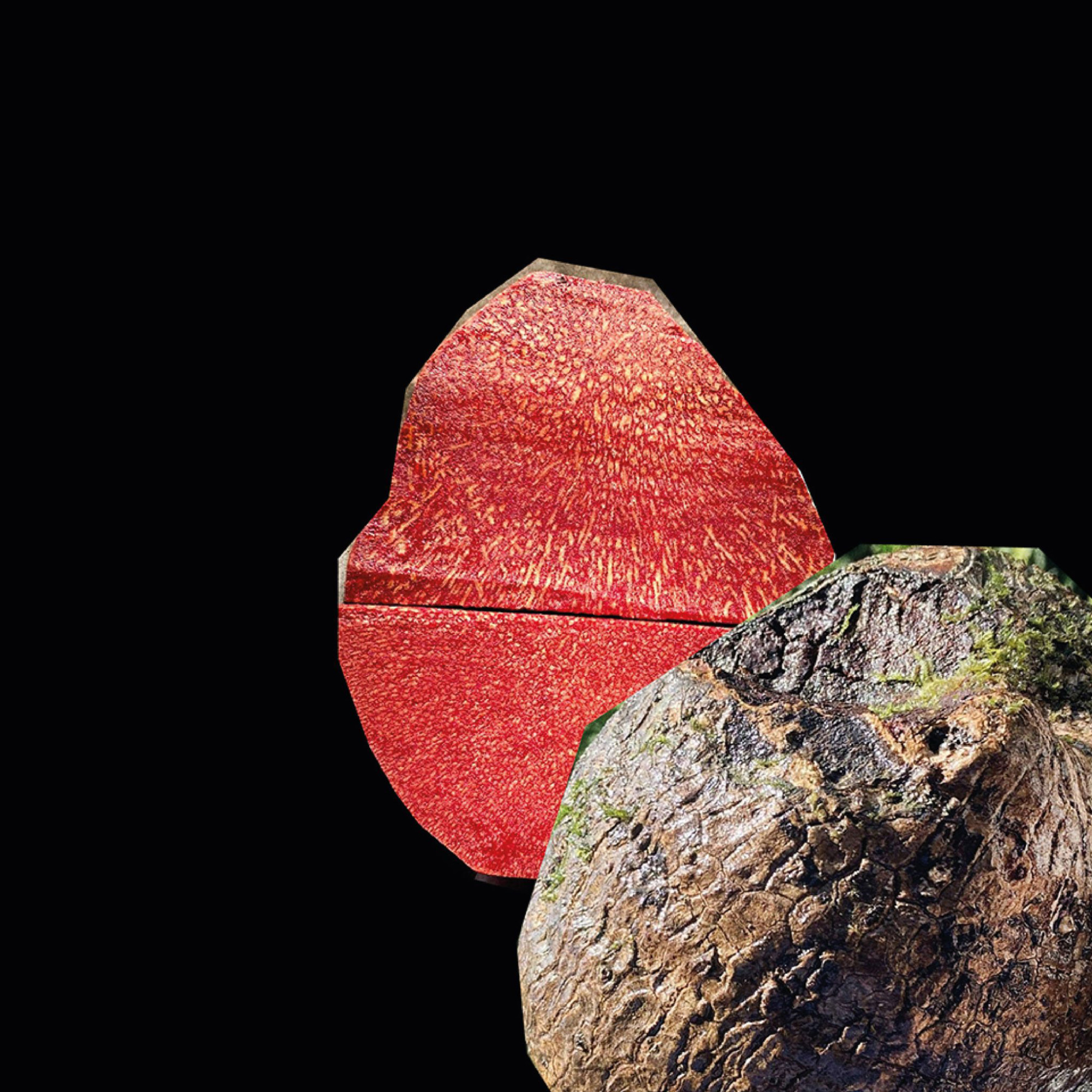
Its tuber swells like small spheres, and when cut open, reveal a fine red texture. In the past, villagers would climb to hilltops to collect these tubers and sell them to fishermen for dyeing fishing nets. It is said that the tuber juice contains gelatinous substances and tannins that protect nets and sails from seawater damage. The Tanka people reportedly enhanced the effect by coating the dyed ropes and nets with fresh egg whites.
Chinese Rain Bell
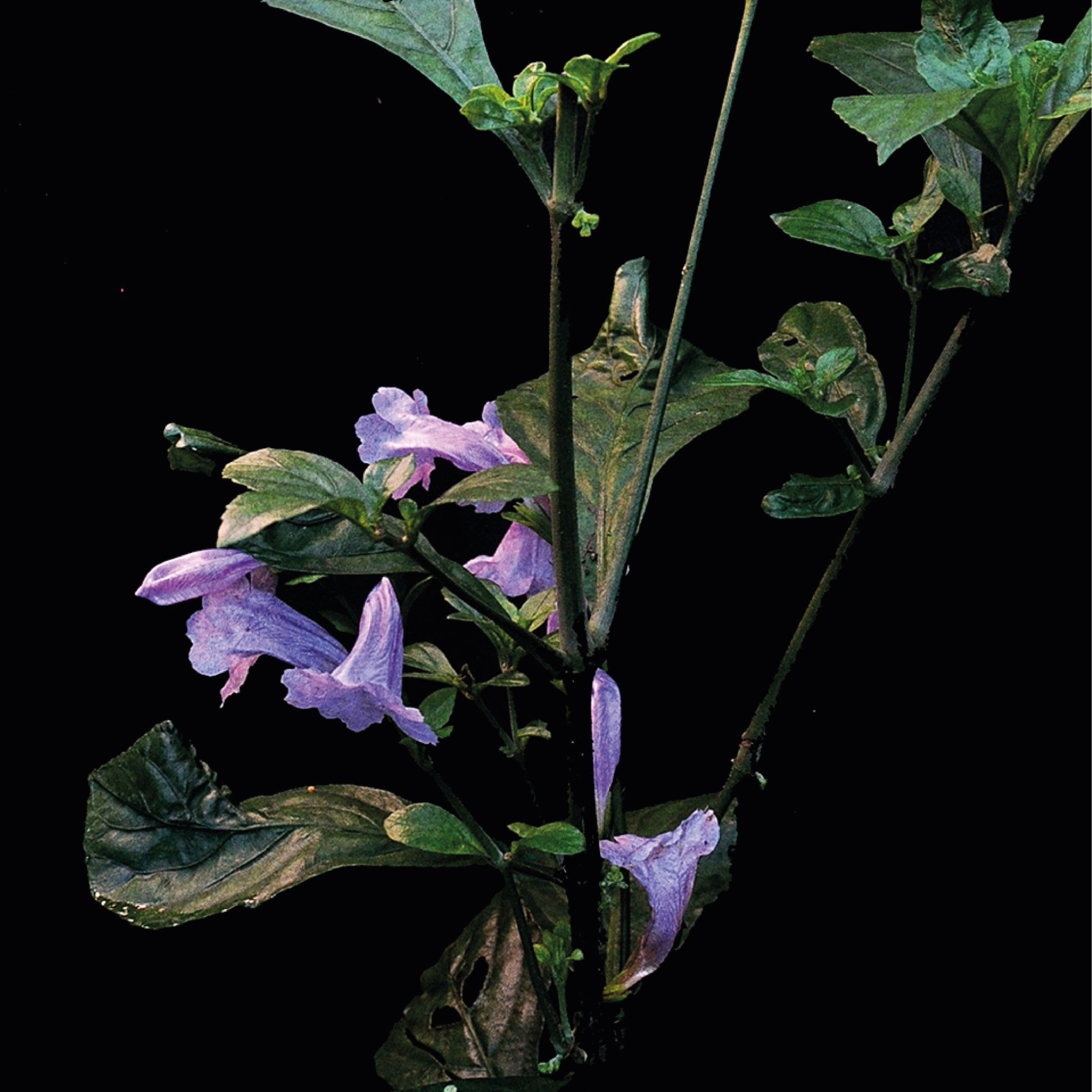
The leaves of Chinese Rain Bell contain indigo and were widely used as a natural dye. The dyeing process required soaking, settling, filtering, and fermenting. Its rhizome is the traditional Chinese medicine used for clearing heat, detoxifying, cooling the blood, and reducing swelling. Chinese Rain Bell grows in forest understories, valleys, or wetlands by streams, showing strong adaptability. Its flowers resemble tiny pink‑purple trumpets and serve as the main food source for leaf-eating butterflies.